
Mastering the Art of EVOH Extrusion: Techniques for High Barrier Sheets
2025-06
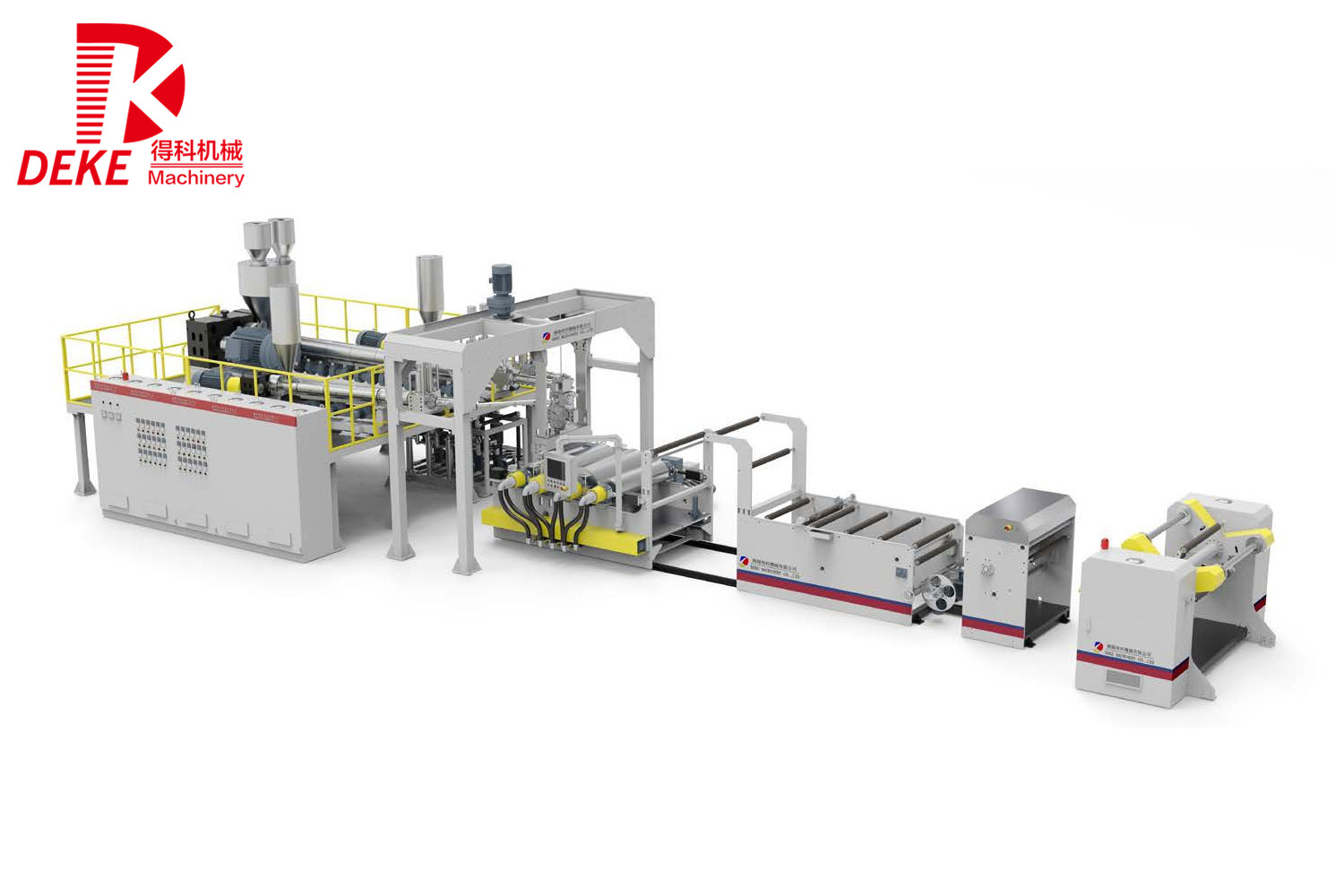
Mastering the Art of EVOH Extrusion: Techniques for High Barrier Sheets
Table of Contents
- Understanding EVOH and Its Importance in Food Packaging
- The Basics of Extrusion: Process Overview
- Key Properties of EVOH Materials
- Techniques for Optimizing EVOH Extrusion
- Common Challenges in EVOH Extrusion and Solutions
- Quality Control Measures in EVOH Sheet Production
- Future Trends in EVOH Extrusion Technology
- Conclusion
Understanding EVOH and Its Importance in Food Packaging
EVOH, or ethylene-vinyl alcohol copolymer, is a critical material in the packaging industry due to its exceptional barrier properties against oxygen, aromas, and moisture. **As consumer demand for freshness and quality continues to rise**, the role of EVOH in extending shelf life and preserving product integrity becomes increasingly vital. EVOH's high transparency and gloss also make it an attractive choice for brands looking to enhance the visual appeal of their products.
The Basics of Extrusion: Process Overview
The extrusion process involves heating plastic materials and forcing them through a die to create continuous shapes. In the case of EVOH sheets, the process must be carefully controlled to maintain the properties of the material. **Key steps in the extrusion process include**:
- Material Selection: Choosing the right grade of EVOH is crucial for achieving desired properties.
- Temperature Control: Maintaining optimal temperatures during melting and flow is essential for quality.
- Die Design: A well-designed die ensures uniform thickness and flow consistency.
- Cooling and Calibration: Proper cooling techniques are necessary to solidify the extruded sheets without warping.
Key Properties of EVOH Materials
Understanding the unique properties of EVOH is key to mastering its extrusion. **Some notable characteristics include**:
- Oxygen Barrier: EVOH provides superior resistance to oxygen permeation, which is critical for food preservation.
- Moisture Barrier: Although EVOH is sensitive to moisture, when properly processed, it offers excellent moisture resistance.
- Thermal Stability: EVOH can withstand high processing temperatures, making it suitable for various applications.
- Sealability: EVOH sheets can be heat sealed, ensuring secure packaging solutions.
Techniques for Optimizing EVOH Extrusion
To achieve high-quality EVOH sheets, several optimization techniques can be employed:
1. Temperature Optimization
The extrusion temperature must be meticulously controlled. **Typical processing temperatures for EVOH range from 180°C to 240°C**. Regular monitoring and adjustments based on material flow behavior significantly enhance product quality.
2. Screw Design and Configuration
The design of the extrusion screw can impact the melting and mixing efficiency of the materials. **Using a barrier screw design** allows for better control of the polymer melt and improves the dispersion of additives.
3. Feed Rate Management
Controlling the feed rate is essential for maintaining a consistent output. **A steady feed rate prevents fluctuations in pressure and temperature**, resulting in uniform sheets with consistent barrier properties.
4. Additive Utilization
Incorporating additives can significantly improve the performance of EVOH sheets. **Common additives include slip agents, antiblocking agents, and UV stabilizers**, which enhance processability and end-use properties.
Common Challenges in EVOH Extrusion and Solutions
Despite its advantages, EVOH extrusion presents challenges that must be addressed:
1. Moisture Sensitivity
EVOH is hygroscopic, meaning it can absorb moisture, leading to processing issues. **Utilizing desiccant dryers can help mitigate this problem** and ensure consistent sheet quality.
2. Processing Degradation
Prolonged exposure to high temperatures can cause degradation. **Implementing a closed-loop cooling system** can reduce thermal exposure during processing, maintaining material integrity.
3. Adhesion Issues
Achieving proper adhesion between EVOH and other materials can be challenging. **Using primers or co-extruding with compatible polymers** can enhance bond strength, improving overall performance.
Quality Control Measures in EVOH Sheet Production
Quality control is paramount in ensuring that EVOH sheets meet industry standards. **Key measures include**:
- Regular Testing: Conducting tests for thickness, barrier properties, and appearance during production.
- Process Monitoring: Utilizing real-time monitoring systems to track temperature, pressure, and flow rates.
- Sample Inspections: Performing regular inspections of extruded samples to ensure they meet specifications.
Future Trends in EVOH Extrusion Technology
As the packaging industry evolves, so too does the technology surrounding EVOH extrusion. Some anticipated trends include:
1. Sustainable Practices
With growing environmental concerns, the industry is moving towards sustainable materials and practices, such as bio-based EVOH alternatives and recycling processes that reduce waste.
2. Advanced Extrusion Techniques
Emerging technologies such as **3D printing with EVOH and enhanced co-extrusion processes** promise to revolutionize the production of complex shapes and structures.
3. Smart Packaging Solutions
The integration of smart technology into packaging for monitoring freshness and integrity will continue to gain traction, enhancing the functionality of EVOH sheets.
Conclusion
Mastering the art of EVOH extrusion is crucial for producing high-quality barrier sheets that meet modern packaging demands. By implementing advanced techniques, addressing common challenges, and adhering to quality control measures, manufacturers can significantly enhance their product offerings. As we look to the future, embracing sustainability and innovation will be key to staying competitive in this dynamic market. The ongoing evolution of EVOH technology presents exciting opportunities for those willing to invest in mastering its complexities.
Frequently Asked Questions (FAQs)
1. What is EVOH used for in packaging?
EVOH is primarily used for its excellent barrier properties against oxygen and moisture, making it ideal for food packaging and other applications requiring product preservation.
2. How does the extrusion process work?
The extrusion process involves melting plastic materials and forcing them through a die to create continuous shapes, such as sheets or films, with specific properties.
3. What are the main challenges of EVOH extrusion?
Common challenges include moisture sensitivity, processing degradation, and adhesion issues, which require careful management to ensure high-quality output.
4. How can I improve the quality of my EVOH sheets?
Improving quality can involve optimizing processing parameters, using appropriate additives, and implementing strict quality control measures throughout production.
5. What future trends should I be aware of in EVOH technology?
Future trends include the adoption of sustainable practices, advanced extrusion techniques, and the integration of smart technologies for enhanced packaging functionality.
RELATED INFORMATION

Why Choose Conical Twin Screw for Your Next Extrusion Project?
Why Choose Conical Twin Screw for Your Next Extrusion Project? Understanding Extrusion Technology In the realm of **plastic processing**, extrusion is an essential manufacturing technique that transforms raw plastic materials into usable products. The **extrusion process** involves forcing molten plastic through a die to create continuous shapes like sheets, films, and profiles. With advancements
Understanding the Advantages of Counter Rotating Twin Screw Extruders for Plastic Processing
Counter rotating twin screw extruders are pivotal in the plastic processing industry, recognized for their versatility and efficiency. Unlike single screw extruders, twin screw extruders feature two intermeshing screws that rotate in opposite directions. This design allows for enhanced material handling and processing capabilities, making them suitable for a wide array of applications. One of the

Website

Copyright©Jieyang Deke Machinery Co., Ltd.