
Why Choose Intermeshing Twin Screw Extruders for Your Manufacturing Needs?
2025-01
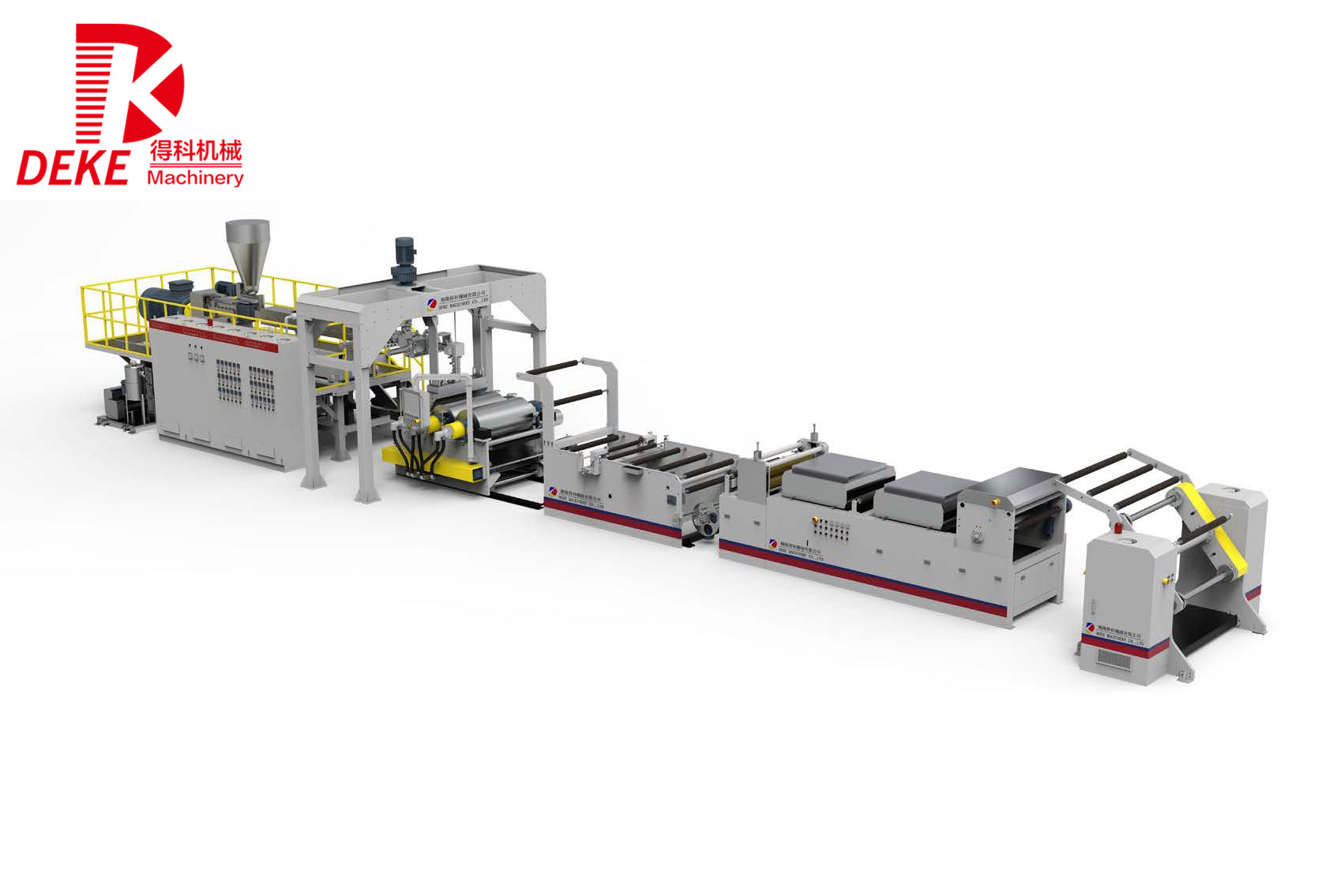
Why Choose Intermeshing Twin Screw Extruders for Your Manufacturing Needs?
Manufacturing industries are increasingly turning to modern machinery to enhance efficiency and reduce costs. One such innovative machine is the intermeshing twin screw extruder. This article delves into the numerous benefits of using these extruders, providing an extensive overview that positions them as the preferred choice for various manufacturing needs.
Understanding Intermeshing Twin Screw Extruders
Intermeshing twin screw extruders are specialized machines designed for the processing of a variety of materials, particularly thermoplastics. Unlike single screw extruders, these extruders consist of two screws that rotate in the same or opposite directions and are designed to mesh together, providing enhanced mixing and transport of materials.
Key Features of Intermeshing Twin Screw Extruders
Intermeshing twin screw extruders come equipped with several key features that make them stand out in the manufacturing landscape:
1. Superior Mixing Capability
These extruders provide exceptional mixing due to their design, allowing for the thorough blending of various materials, additives, and fillers. This results in a more homogeneous product, which is crucial for high-quality manufacturing.
2. Adjustable Processing Conditions
With the ability to adjust temperature, pressure, and screw speed, intermeshing twin screw extruders offer versatility in processing various materials. Manufacturers can fine-tune their operations to achieve the desired product characteristics.
3. Effective Shear and Dispersion
The intermeshing design ensures that materials experience high shear forces, promoting effective dispersion of additives. This is particularly beneficial for applications requiring the incorporation of fillers or colorants.
The Advantages of Using Intermeshing Twin Screw Extruders
The advantages of intermeshing twin screw extruders extend beyond just their fundamental features. Here, we explore the benefits that these machines can offer your manufacturing processes.
1. Increased Production Efficiency
Intermeshing twin screw extruders are renowned for their ability to process materials quickly and effectively. This increase in production efficiency translates to higher throughput and reduced cycle times, ultimately benefiting your bottom line.
2. Enhanced Material Compatibility
These extruders are compatible with a wide range of materials, including polymers, rubber, and composites. This versatility allows manufacturers to explore new product lines and adapt to market demands without investing in additional machinery.
3. Reduction in Material Waste
The efficient mixing and processing capabilities of intermeshing twin screw extruders lead to a reduction in material waste. Their design minimizes dead zones and allows for better control of material flow, ensuring that more of your raw material is converted into a final product.
4. Cost-Effectiveness
While the initial investment in intermeshing twin screw extruders may be higher than other types of extruders, the long-term savings in operational costs and material waste make them a more cost-effective solution over time. Manufacturers can also take advantage of lower energy consumption, further enhancing their profitability.
Applications of Intermeshing Twin Screw Extruders
Intermeshing twin screw extruders find applications across various industries. Here, we highlight some prominent areas where these machines are making a significant impact.
1. Plastics Processing
In the plastics industry, intermeshing twin screw extruders are utilized for compounding, blending, and recycling. They allow manufacturers to create specialized plastic products with enhanced properties.
2. Food Processing
These extruders are also employed in food processing, especially in the production of snacks, pet food, and extruded cereals. Their capability to handle varying moisture levels and ingredient types makes them ideal for this sector.
3. Pharmaceutical Manufacturing
In the pharmaceutical industry, intermeshing twin screw extruders are used for the production of granules and pellets. Their precise temperature control and effective mixing capabilities ensure consistent quality in pharmaceutical formulations.
Choosing the Right Intermeshing Twin Screw Extruder
Selecting the right intermeshing twin screw extruder for your manufacturing needs is crucial. Several factors must be considered to ensure you make an informed decision.
1. Material Characteristics
Evaluate the materials you will be processing. Different extruders are designed for specific materials, and understanding their properties—such as viscosity, thermal stability, and sensitivity to shear—is essential.
2. Production Requirements
Assess your production requirements, including throughput rates and product specifications. Choose an extruder that can meet or exceed your manufacturing goals while maintaining quality.
3. Customization Options
Explore the customization options available for intermeshing twin screw extruders. Some manufacturers offer modular designs that allow for easy upgrades and modifications to meet changing production needs.
4. Maintenance and Support
Consider the maintenance requirements of the extruder and the level of technical support offered by the manufacturer. A machine with lower maintenance demands and robust support can enhance your operational efficiency.
Conclusion
In conclusion, intermeshing twin screw extruders offer numerous advantages for manufacturers seeking to optimize their processes. With superior mixing capabilities, versatility in applications, and cost-effectiveness, they stand out as an exceptional choice in the realm of manufacturing machinery. By understanding their features and applications, manufacturers can make informed decisions that align with their production needs, ultimately driving efficiency and profitability in their operations.
FAQs
1. What are the key differences between intermeshing and non-intermeshing twin screw extruders?
Intermeshing twin screw extruders feature screws that mesh together, providing better mixing and material transport than non-intermeshing designs. This results in improved material compatibility and product consistency.
2. Are intermeshing twin screw extruders suitable for processing high-viscosity materials?
Yes, intermeshing twin screw extruders are suitable for processing high-viscosity materials due to their adjustable shear and temperature control capabilities.
3. How can intermeshing twin screw extruders reduce material waste?
These extruders minimize dead zones and promote efficient flow, leading to better material utilization and reduced waste during processing.
4. What industries benefit from using intermeshing twin screw extruders?
Industries such as plastics, food processing, pharmaceuticals, and rubber manufacturing benefit significantly from intermeshing twin screw extruders.
5. What factors should I consider when selecting an intermeshing twin screw extruder?
Consider the material characteristics, production requirements, customization options, and maintenance needs when selecting an intermeshing twin screw extruder.
RELATED INFORMATION

Why Choose Conical Twin Screw for Your Next Extrusion Project?
Why Choose Conical Twin Screw for Your Next Extrusion Project? Understanding Extrusion Technology In the realm of **plastic processing**, extrusion is an essential manufacturing technique that transforms raw plastic materials into usable products. The **extrusion process** involves forcing molten plastic through a die to create continuous shapes like sheets, films, and profiles. With advancements
Understanding the Advantages of Counter Rotating Twin Screw Extruders for Plastic Processing
Counter rotating twin screw extruders are pivotal in the plastic processing industry, recognized for their versatility and efficiency. Unlike single screw extruders, twin screw extruders feature two intermeshing screws that rotate in opposite directions. This design allows for enhanced material handling and processing capabilities, making them suitable for a wide array of applications. One of the

Website

Copyright©Jieyang Deke Machinery Co., Ltd.