
The Essential Guide to Intermeshing Twin Screw Extruders in Plastic Processing
2025-01
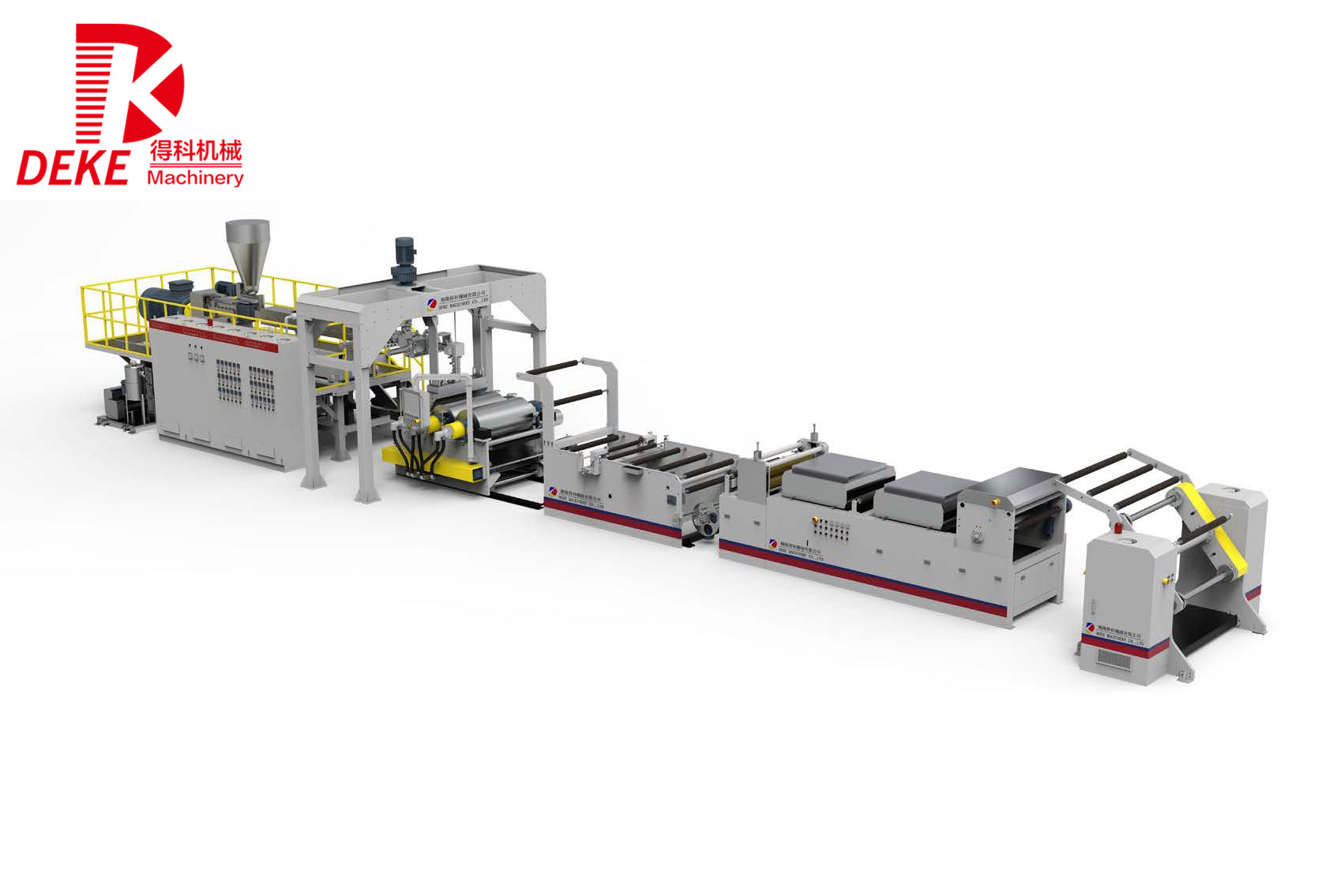
One of the primary advantages of intermeshing twin screw extruders is their superior mixing capability. The intermeshing design promotes intense shear forces and efficient material distribution, making it ideal for applications that require thorough blending of additives, colorants, or different polymers. This enhanced mixing capability results in a uniform melt, which is crucial for producing high-quality end products with consistent properties.
In terms of processing versatility, intermeshing twin screw extruders can handle a wide range of materials, including thermoplastics, thermosets, and elastomers. They are commonly used in applications such as compounding, pelletizing, and recycling. Their ability to process materials with varying viscosities and flow characteristics makes them suitable for both rigid and flexible plastic formulations.
Furthermore, the design of intermeshing twin screw extruders allows for precise temperature control, which is essential for maintaining the thermal stability of sensitive materials. The screws can be configured with different geometries and sizes to optimize the processing conditions for specific applications. This customization capability enables manufacturers to achieve desired material properties, such as enhanced strength, flexibility, or thermal resistance.
Maintenance and operational efficiency are also key considerations in the use of intermeshing twin screw extruders. Regular maintenance is necessary to ensure optimal performance and longevity of the equipment. The modular design of these extruders facilitates easier cleaning and part replacement, minimizing downtime and enhancing productivity.
In conclusion, intermeshing twin screw extruders play a pivotal role in modern plastic processing, offering unparalleled mixing efficiency, processing versatility, and precise control over material characteristics. Understanding their operational principles and advantages can significantly enhance manufacturing processes in the plastic industry, driving innovation and improving product quality. By integrating intermeshing twin screw extruders into your operations, you can stay competitive in an evolving market that demands high-performance plastic materials.
Previous Page:
RELATED INFORMATION

Why Choose Conical Twin Screw for Your Next Extrusion Project?
Why Choose Conical Twin Screw for Your Next Extrusion Project? Understanding Extrusion Technology In the realm of **plastic processing**, extrusion is an essential manufacturing technique that transforms raw plastic materials into usable products. The **extrusion process** involves forcing molten plastic through a die to create continuous shapes like sheets, films, and profiles. With advancements
Understanding the Advantages of Counter Rotating Twin Screw Extruders for Plastic Processing
Counter rotating twin screw extruders are pivotal in the plastic processing industry, recognized for their versatility and efficiency. Unlike single screw extruders, twin screw extruders feature two intermeshing screws that rotate in opposite directions. This design allows for enhanced material handling and processing capabilities, making them suitable for a wide array of applications. One of the

Website

Copyright©Jieyang Deke Machinery Co., Ltd.