
Maximizing Efficiency: The Crucial Role of HIPS Sheet Extruders in Modern Manufacturing
2025-01
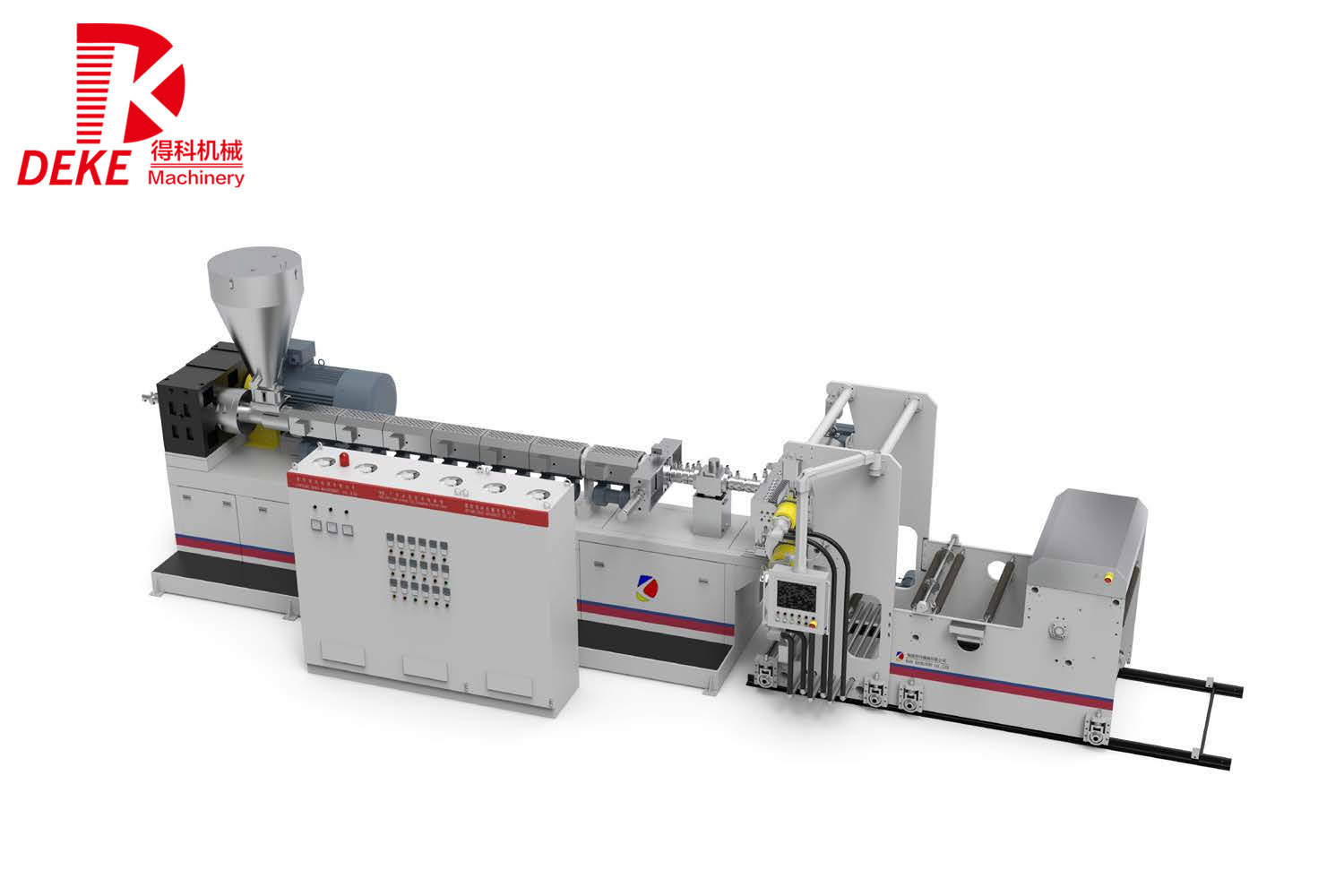
Maximizing Efficiency: The Crucial Role of HIPS Sheet Extruders in Modern Manufacturing
Table of Contents
- Introduction to HIPS and Its Applications
- What Are HIPS Sheet Extruders?
- Benefits of Using HIPS Sheet Extruders
- How HIPS Sheet Extruders Work
- Applications of HIPS Sheets in Various Industries
- Choosing the Right HIPS Sheet Extruder for Your Needs
- Maintenance and Optimization of HIPS Sheet Extruders
- The Future of HIPS Sheet Extrusion in Manufacturing
- Frequently Asked Questions
- Conclusion
Introduction to HIPS and Its Applications
In the fast-paced world of modern manufacturing, efficiency is paramount. With the increasing demands for high-quality plastic products, businesses are continually seeking innovative solutions to streamline production processes. One of the most effective methods to achieve this is through the use of **High Impact Polystyrene (HIPS)** sheet extruders. These machines are pivotal in enhancing production efficiency and product quality, making them indispensable in various industries.
HIPS is widely recognized for its versatility and excellent mechanical properties. Its applications span across different sectors, including packaging, automotive, construction, and consumer goods. In this article, we delve into the intricacies of HIPS sheet extruders and explore how they contribute to maximizing efficiency in manufacturing.
What Are HIPS Sheet Extruders?
HIPS sheet extruders are specialized machines designed to produce sheets of HIPS through an extrusion process. The extrusion process involves melting raw HIPS pellets and forcing them through a die to form continuous sheets of specified thickness and width. This method not only allows for high production rates but also supports the creation of sheets with consistent quality and properties.
These extruders come in various configurations, each tailored to meet specific production requirements. They can vary in size, output capacity, and technology, ranging from single-screw to co-extruders, which enable the processing of multiple materials simultaneously.
Benefits of Using HIPS Sheet Extruders
The adoption of HIPS sheet extruders offers numerous advantages that can significantly enhance manufacturing operations:
1. Enhanced Product Quality
HIPS sheet extruders ensure that the sheets produced have uniform thickness and excellent surface finish. This consistency translates into superior product quality, which is critical for industries that demand high standards.
2. Increased Production Efficiency
These extruders are designed for high throughput, allowing manufacturers to produce large quantities of sheets in a shorter time frame. This increased efficiency minimizes production costs and maximizes profitability.
3. Energy Efficiency
Modern HIPS sheet extruders incorporate advanced technologies that optimize energy consumption, making them more sustainable and cost-effective over time.
4. Versatility in Applications
HIPS sheets produced through extrusion can be used in a wide range of applications, from packaging materials to components in the automotive industry. This versatility allows manufacturers to diversify their product offerings.
5. Ease of Processing
HIPS is known for its excellent processing characteristics, making it easier to handle during the extrusion process. This ease of processing can lead to lower labor costs and fewer production complications.
How HIPS Sheet Extruders Work
Understanding the operation of HIPS sheet extruders is crucial for optimizing their use within manufacturing environments. The process typically involves several key stages:
1. Material Feeding
Raw HIPS pellets are fed into the extruder through a hopper. The feed system ensures a consistent supply of material, which is vital for maintaining production continuity.
2. Melting and Mixing
As the pellets move through the extruder, they are subjected to heat and mechanical shear, which melt the material and promote thorough mixing. This stage is critical for achieving the desired properties of the final product.
3. Shaping and Cooling
Once the material is melted, it is forced through a die that shapes it into a continuous sheet. After exiting the die, the sheets are cooled using air or water cooling systems, solidifying them into the final form.
4. Cutting and Packaging
The cooled sheets are then cut to specified lengths and packaged for distribution. This final stage ensures that the products are ready for immediate use in various applications.
Applications of HIPS Sheets in Various Industries
HIPS sheets produced by sheet extruders have diversified applications across numerous industries, underscoring their significance in the manufacturing sector.
1. Packaging Industry
The packaging industry is one of the largest consumers of HIPS sheets. These sheets are used to create packaging materials for food, cosmetics, and electronics due to their excellent impact resistance and aesthetic appeal.
2. Automotive Industry
In the automotive sector, HIPS sheets are utilized for interior components, dashboards, and trim pieces. Their lightweight nature and durability make them ideal for automotive applications, contributing to overall vehicle efficiency.
3. Construction and Interior Design
HIPS sheets are increasingly used in construction for decorative panels, wall coverings, and signage. Their versatility in design and ease of maintenance make them a popular choice in interior design.
4. Consumer Goods Manufacturing
HIPS sheets are also commonly found in the production of consumer goods, including toys, appliances, and household items. Their ability to be molded into complex shapes allows for creative product designs.
5. Medical Applications
In the medical field, HIPS sheets are used for various applications, including medical packaging and components for devices. Their excellent sterilization properties make them suitable for such critical uses.
Choosing the Right HIPS Sheet Extruder for Your Needs
Selecting the appropriate HIPS sheet extruder is a critical decision that can impact your manufacturing efficiency and overall output. Here are some factors to consider:
1. Production Volume
Determine your production volume and select an extruder that meets these requirements. Higher volume needs may necessitate larger, more robust machines.
2. Desired Sheet Specifications
Consider the dimensions, thickness, and properties of the sheets you wish to produce. Different extruders may cater to specific sheet specifications.
3. Technology and Features
Investigate the technological features of different extruders, such as automation, control systems, and energy efficiency technologies. Modern features can significantly enhance performance.
4. Budget
Evaluate your budget constraints. While highly advanced extruders may have a higher upfront cost, they can lead to long-term savings through improved efficiency and reduced operational costs.
5. Supplier Support and Maintenance
Choose a supplier that offers comprehensive support, including installation, training, and maintenance services. This can ensure optimal performance and longevity of your equipment.
Maintenance and Optimization of HIPS Sheet Extruders
To maximize the efficiency and lifespan of HIPS sheet extruders, regular maintenance and optimization practices are essential.
1. Routine Maintenance
Implement a scheduled maintenance program that includes cleaning, lubricating moving parts, and inspecting key components. This proactive approach can prevent breakdowns and extend machinery life.
2. Performance Monitoring
Utilize monitoring tools to track the performance of your extruders. Analyzing parameters such as temperature, pressure, and output can help identify areas for improvement.
3. Operator Training
Ensure that operators are well-trained in the functioning and troubleshooting of HIPS sheet extruders. Skilled operators are crucial for maintaining production efficiency and quality.
4. Upgrading Technology
Stay abreast of technological advancements and consider upgrading equipment when necessary. New features can enhance productivity and reduce energy consumption.
The Future of HIPS Sheet Extrusion in Manufacturing
The future of HIPS sheet extrusion looks promising, with ongoing advancements in technology and increasing demand across various sectors. Innovations such as automation, Industry 4.0 integration, and sustainable manufacturing practices are set to reshape the landscape of HIPS sheet production.
As environmental concerns continue to rise, the development of biodegradable and recyclable HIPS materials may become a key focus, promoting sustainability in manufacturing processes. The integration of artificial intelligence and machine learning in extrusion processes will likely lead to unprecedented levels of efficiency and quality control.
Frequently Asked Questions
1. What is HIPS, and why is it used in manufacturing?
HIPS stands for High Impact Polystyrene, a versatile plastic known for its impact resistance and durability. It is widely used in manufacturing for applications such as packaging, automotive components, and consumer goods.
2. How do HIPS sheet extruders work?
HIPS sheet extruders melt raw HIPS pellets and force the molten material through a die to create continuous sheets. The sheets are then cooled, cut, and packaged for distribution.
3. What are the advantages of using HIPS sheets in various industries?
HIPS sheets offer benefits such as excellent impact resistance, lightweight properties, ease of processing, and versatility, making them suitable for diverse applications across different industries.
4. How can I choose the right HIPS sheet extruder?
Consider factors such as production volume, desired sheet specifications, technology features, budget, and supplier support when selecting the right HIPS sheet extruder for your needs.
5. What maintenance practices should I follow for HIPS sheet extruders?
Regular maintenance practices include routine cleaning, lubrication of moving parts, performance monitoring, and ensuring well-trained operators to maintain efficiency and longevity.
Conclusion
The role of HIPS sheet extruders in modern manufacturing cannot be overstated. These machines have become essential tools for enhancing efficiency and product quality across a myriad of industries. By understanding their operation, benefits, and applications, manufacturers can make informed decisions that not only improve their production processes but also contribute to their overall competitiveness in the marketplace.
Investing in the right HIPS sheet extruder and implementing effective maintenance strategies will enable businesses to harness the full potential of this technology. As we look toward the future, the continued evolution of HIPS sheet extrusion promises to introduce even greater efficiencies and innovations, shaping the manufacturing landscape for years to come.
RELATED INFORMATION

Why Choose Conical Twin Screw for Your Next Extrusion Project?
Why Choose Conical Twin Screw for Your Next Extrusion Project? Understanding Extrusion Technology In the realm of **plastic processing**, extrusion is an essential manufacturing technique that transforms raw plastic materials into usable products. The **extrusion process** involves forcing molten plastic through a die to create continuous shapes like sheets, films, and profiles. With advancements
Understanding the Advantages of Counter Rotating Twin Screw Extruders for Plastic Processing
Counter rotating twin screw extruders are pivotal in the plastic processing industry, recognized for their versatility and efficiency. Unlike single screw extruders, twin screw extruders feature two intermeshing screws that rotate in opposite directions. This design allows for enhanced material handling and processing capabilities, making them suitable for a wide array of applications. One of the

Website

Copyright©Jieyang Deke Machinery Co., Ltd.