
Understanding HIPS Sheet Extruders: Key Insights for Professionals
2025-01
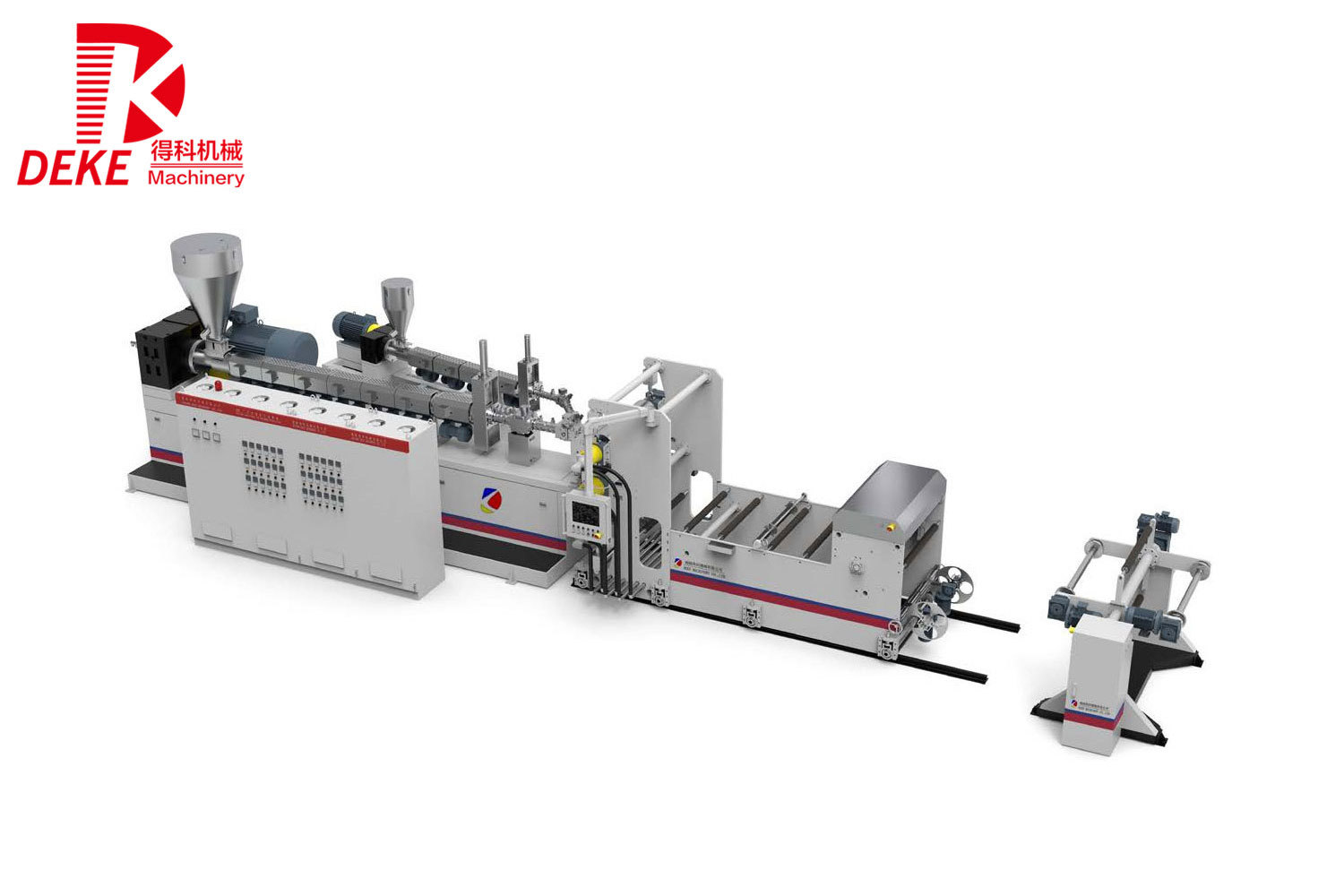
The extrusion process begins with the raw HIPS material being fed into the extruder. Once inside, the material is heated and melted, allowing it to be shaped as it passes through a die. The die determines the thickness and width of the sheet being produced. Controlling the temperature and pressure during this process is essential to ensure proper melting and flow of the material, which directly affects the final product's quality.
One of the key advantages of using HIPS sheet extruders is the material's excellent impact resistance, making it ideal for various applications, including packaging, signage, and even automotive components. The versatility of HIPS allows for easy customization, enabling manufacturers to create sheets that meet specific requirements such as color, thickness, and surface finish.
When selecting a HIPS sheet extruder, there are several technical considerations to keep in mind. The design of the extruder, including the screw configuration and barrel design, plays a critical role in determining the efficiency of the process. A well-designed screw can improve the melting process and enhance the homogeneity of the melt, leading to better sheet quality.
Moreover, the choice of ancillary equipment, such as cooling systems and cutting devices, can significantly impact the final output. Efficient cooling systems are crucial for quickly solidifying the extruded sheets to prevent warping or distortion, while precision cutting devices ensure uniform sheet sizes.
In addition to technical specifications, it is vital to consider maintenance requirements for HIPS sheet extruders. Regular maintenance not only prolongs the life of the machinery but also ensures consistent performance. Implementing an effective maintenance schedule that includes regular inspections and cleaning can prevent potential downtimes and enhance productivity.
In summary, HIPS sheet extruders are integral to the plastic processing industry, providing a reliable method for creating high-quality HIPS sheets. By understanding the operational dynamics, technical specifications, and maintenance practices associated with these machines, professionals can optimize their production processes and cater to diverse market demands. Embracing innovation and keeping abreast of technological advancements in HIPS sheet extrusion will further enhance your competitive edge in the industry.
Previous Page:
RELATED INFORMATION

Why Choose Conical Twin Screw for Your Next Extrusion Project?
Why Choose Conical Twin Screw for Your Next Extrusion Project? Understanding Extrusion Technology In the realm of **plastic processing**, extrusion is an essential manufacturing technique that transforms raw plastic materials into usable products. The **extrusion process** involves forcing molten plastic through a die to create continuous shapes like sheets, films, and profiles. With advancements
Understanding the Advantages of Counter Rotating Twin Screw Extruders for Plastic Processing
Counter rotating twin screw extruders are pivotal in the plastic processing industry, recognized for their versatility and efficiency. Unlike single screw extruders, twin screw extruders feature two intermeshing screws that rotate in opposite directions. This design allows for enhanced material handling and processing capabilities, making them suitable for a wide array of applications. One of the

Website

Copyright©Jieyang Deke Machinery Co., Ltd.