
Exploring the Benefits of HIPS Sheet Extrusion for Plastic Processing: A Comprehensive Guide
2025-01
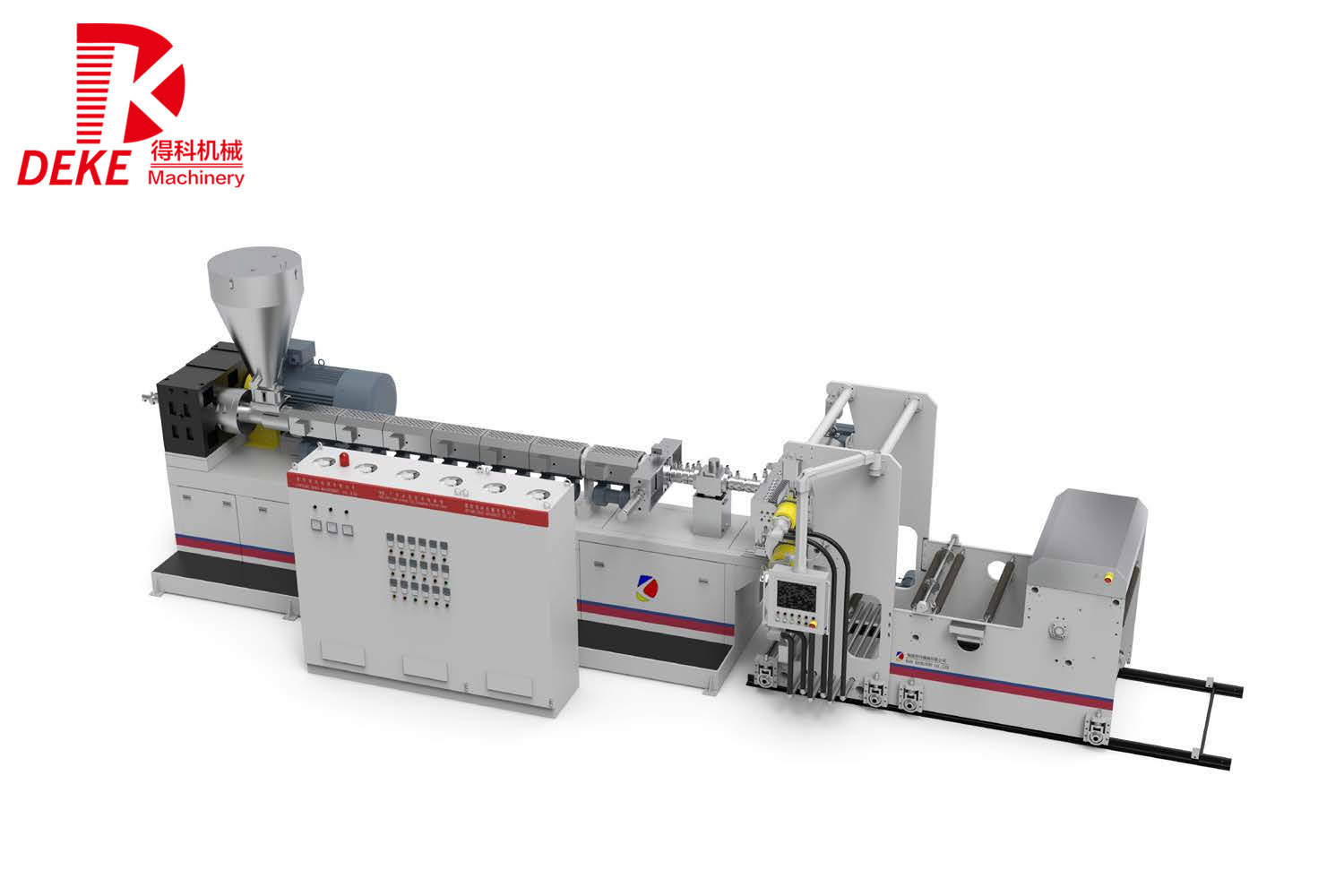
Exploring the Benefits of HIPS Sheet Extrusion for Plastic Processing
Table of Contents
- 1. Introduction to HIPS Sheet Extrusion
- 2. What is HIPS?
- 3. Advantages of HIPS Sheet Extrusion
- 3.1 Strength and Durability
- 3.2 Versatility in Applications
- 3.3 Cost-Effectiveness
- 3.4 Ease of Processing
- 3.5 Environmental Considerations
- 4. The HIPS Sheet Extrusion Process
- 5. Applications of HIPS Sheets in Industry
- 6. Future Trends in HIPS Sheet Extrusion
- 7. Frequently Asked Questions
- 8. Conclusion
1. Introduction to HIPS Sheet Extrusion
High Impact Polystyrene, or HIPS, has emerged as a versatile thermoplastic widely used in various industrial applications, primarily due to its excellent mechanical properties. The process of **HIPS sheet extrusion** allows manufacturers to produce sheets of varying thicknesses, which can be utilized in numerous applications. From packaging solutions to consumer goods, HIPS sheets are integral to the modern plastic processing industry. In this article, we delve into the myriad benefits that HIPS sheet extrusion brings to the table, illuminating its importance in the realm of plastic manufacturing.
2. What is HIPS?
HIPS is a rubber-modified polystyrene known for its high impact strength, making it an ideal choice for applications requiring durability and resilience. This material is produced by blending polystyrene with a rubber component, creating a polymer that exhibits enhanced toughness and impact resistance while retaining the excellent processing characteristics of polystyrene.
The unique properties of HIPS, such as its ability to be easily molded and extruded, allow it to be customized for specific applications, making it a preferred choice in many sectors, including **packaging, automotive, and consumer goods**.
3. Advantages of HIPS Sheet Extrusion
The extrusion of HIPS sheets offers numerous advantages that make it a favorable choice for manufacturers. Below, we explore some key benefits.
3.1 Strength and Durability
One of the standout features of HIPS is its exceptional strength and durability. The rubber modification in HIPS enhances its impact resistance, making it suitable for applications where typical plastic materials might fail. This robustness translates into longer-lasting products, reducing the frequency of replacements and, consequently, waste.
3.2 Versatility in Applications
HIPS sheets are incredibly versatile, making them applicable in diverse industries. From **food packaging** to the production of electronic housings, the adaptability of HIPS allows it to meet the specific needs of various sectors. The ability to produce sheets in different thicknesses further amplifies this versatility, enabling tailored solutions for specific applications.
3.3 Cost-Effectiveness
HIPS is often hailed for its cost-effectiveness. The raw materials used in the production of HIPS sheets are relatively inexpensive, and the extrusion process itself is efficient, leading to lower production costs. This financial advantage makes HIPS an attractive option for businesses aiming to maintain quality while controlling expenses.
3.4 Ease of Processing
The processing of HIPS is notably straightforward. It can be easily extruded, molded, and thermoformed, allowing manufacturers to create complex shapes and designs with relative ease. This ease of processing not only speeds up production times but also reduces labor costs, making it an efficient choice for manufacturers.
3.5 Environmental Considerations
In today's eco-conscious market, the environmental impact of materials is a critical concern. HIPS is recyclable, providing an avenue for responsible disposal and sustainability. Many manufacturers are now focusing on recycling HIPS materials post-consumer use, thus contributing to a circular economy.
4. The HIPS Sheet Extrusion Process
Understanding the extrusion process is crucial for appreciating the benefits of HIPS sheets. The following sections delve into the technicalities of how HIPS sheets are produced.
4.1 Materials and Equipment Used
The primary material used for HIPS sheet extrusion is, of course, High Impact Polystyrene. The equipment involved typically includes:
- **Extruder**: A machine that melts and forms the HIPS into sheets.
- **Die**: A tool that shapes the melted material into a flat sheet.
- **Cooling system**: Essential for solidifying the extruded sheets.
- **Trimming and Cutting tools**: For sizing and finishing the sheets.
The integration of advanced technology in these machines enhances efficiency and output quality.
4.2 Steps in the Extrusion Process
The extrusion process for HIPS sheets generally involves several key steps:
1. **Material Feeding**: HIPS pellets are fed into the extruder.
2. **Melting**: The extruder heats the pellets to transform them into a molten state.
3. **Forming**: The molten HIPS is pushed through a specially designed die to form a continuous sheet.
4. **Cooling**: The extruded sheet is cooled to solidify its shape.
5. **Trimming and Cutting**: Finally, the sheet is trimmed to the desired dimensions and ready for packaging or further processing.
Each step is crucial for ensuring the quality and performance of the final product.
5. Applications of HIPS Sheets in Industry
The applications of HIPS sheets are vast and varied, with several industries relying on them for their products.
5.1 Packaging Solutions
In the packaging industry, HIPS sheets are widely used for creating **containers, lids, and trays**. Their strength ensures that packaged goods remain secure during transportation, while their lightweight nature helps reduce shipping costs.
5.2 Consumer Products
HIPS sheets are also commonly used in the manufacturing of consumer products, such as **kitchenware, toys, and electronic enclosures**. The aesthetic appeal of HIPS, combined with its durability, makes it a preferred choice in this sector.
5.3 Industrial Applications
In industrial settings, HIPS sheets serve various purposes, including **protective covers, signage, and displays**. Their versatility allows them to be customized for specific industrial needs, providing solutions that enhance functionality and efficiency.
6. Future Trends in HIPS Sheet Extrusion
As technology progresses, the future of HIPS sheet extrusion looks promising. Innovations in materials and processing techniques are expected to enhance the properties of HIPS even further. The trend toward increased sustainability is also likely to shape the future landscape, with more companies focusing on recycling and eco-friendly practices.
Manufacturers are likely to explore new applications for HIPS, particularly in emerging markets such as **biodegradable plastics** and **smart packaging solutions**. The adaptability and efficiency of HIPS will continue to open doors to innovative uses in various industries.
7. Frequently Asked Questions
1. What are the main properties of HIPS?
HIPS is known for its high impact strength, durability, and ease of processing. It also offers good thermal stability and is available in various colors and finishes.
2. Is HIPS environmentally friendly?
HIPS is recyclable, making it a more environmentally friendly option compared to non-recyclable plastics. Many manufacturers are adopting recycling practices to minimize waste.
3. How is HIPS sheet extrusion different from other extrusion processes?
HIPS sheet extrusion focuses specifically on producing sheets, whereas other extrusion processes may produce pipes, films, or profiles. The temperature and cooling processes may also vary depending on the desired product.
4. Can HIPS sheets be used for food packaging?
Yes, HIPS sheets are suitable for food packaging applications, provided they meet the necessary safety standards and regulations.
5. What industries utilize HIPS sheets?
HIPS sheets find applications in various industries, including packaging, consumer products, automotive, and industrial sectors.
8. Conclusion
HIPS sheet extrusion represents a pivotal advancement in plastic processing, offering numerous **benefits** that cater to a wide range of applications. From its strength and durability to its cost-effectiveness and versatility, HIPS sheets are an integral part of modern manufacturing. Understanding the extrusion process and the various applications of HIPS sheets can empower businesses to make informed decisions in their production endeavors. As the industry continues to innovate, HIPS is set to remain a key player in the world of plastics, paving the way for sustainable and efficient manufacturing solutions.
RELATED INFORMATION

Why Choose Conical Twin Screw for Your Next Extrusion Project?
Why Choose Conical Twin Screw for Your Next Extrusion Project? Understanding Extrusion Technology In the realm of **plastic processing**, extrusion is an essential manufacturing technique that transforms raw plastic materials into usable products. The **extrusion process** involves forcing molten plastic through a die to create continuous shapes like sheets, films, and profiles. With advancements
Understanding the Advantages of Counter Rotating Twin Screw Extruders for Plastic Processing
Counter rotating twin screw extruders are pivotal in the plastic processing industry, recognized for their versatility and efficiency. Unlike single screw extruders, twin screw extruders feature two intermeshing screws that rotate in opposite directions. This design allows for enhanced material handling and processing capabilities, making them suitable for a wide array of applications. One of the

Website

Copyright©Jieyang Deke Machinery Co., Ltd.