
Understanding HIPS Sheet Extruders: A Key Component in Plastic Manufacturing
2025-01
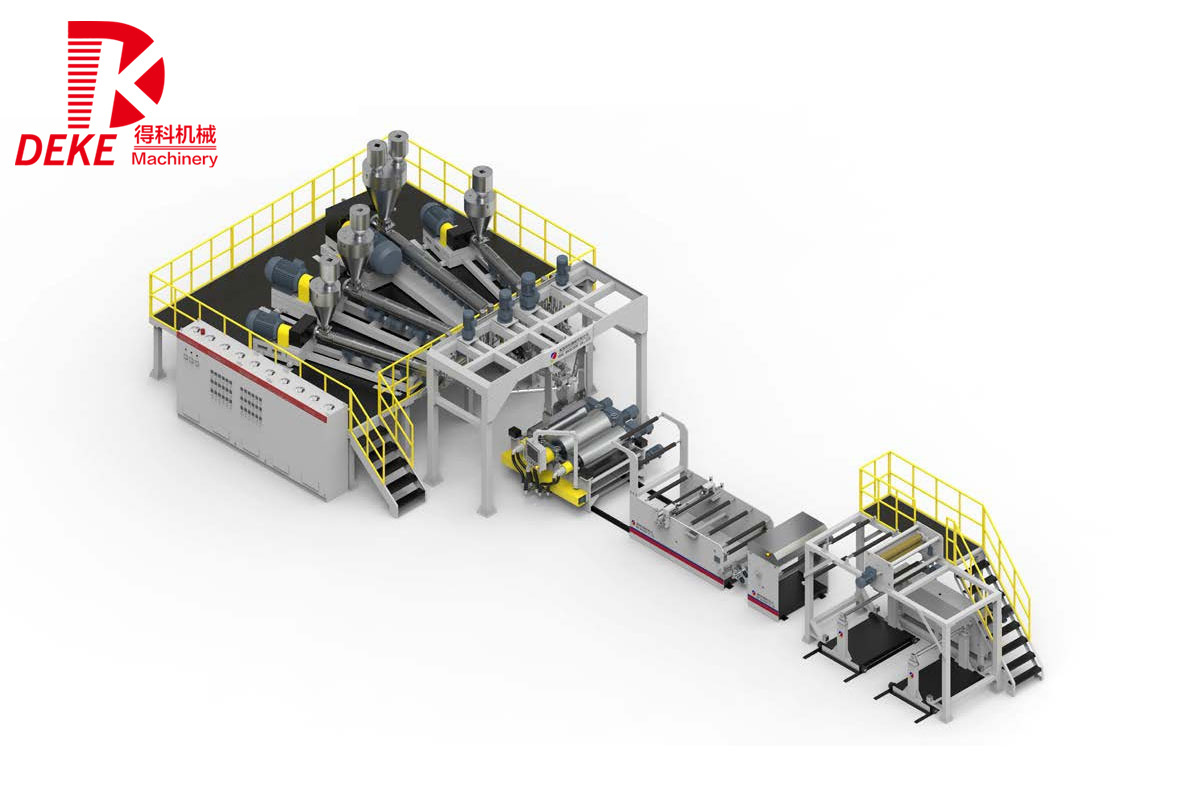
A HIPS sheet extruder operates by melting plastic pellets and forcing them through a shaped die to create continuous sheets of HIPS. The process begins with the feeding of raw HIPS pellets into a hopper, where they are transported into a heated barrel. Here, the pellets undergo a process of melting due to the heat generated by the friction of rotating screws. The design of the screws is crucial, as it ensures even melting and proper blending of the material, which is essential for producing high-quality sheets.
Once the HIPS is in a molten state, it is pushed through a die that shapes the material into a flat sheet. The thickness and width of the sheet can be controlled by adjusting the die's dimensions and the extrusion parameters, such as temperature and speed. This flexibility allows manufacturers to produce sheets tailored to specific applications, whether for rigid packaging, protective covers, or decorative items.
One of the primary benefits of using a HIPS sheet extruder is the material's excellent impact resistance and durability. HIPS sheets are known for their strength and toughness, making them suitable for products that require both protection and aesthetic appeal. Additionally, HIPS is easily printable and can be painted, enhancing its versatility in design and branding.
Moreover, the HIPS extrusion process is relatively efficient and environmentally friendly. With advancements in technology, modern extruders are designed to minimize energy consumption while maximizing output. This not only helps reduce production costs but also aligns with growing demands for sustainable manufacturing practices.
In conclusion, HIPS sheet extruders play a vital role in the plastic processing industry, enabling the production of high-quality HIPS sheets used across various sectors. Understanding the mechanics and benefits of these extruders can help manufacturers optimize their processes and meet the evolving needs of consumers. By harnessing the advantages of HIPS sheets and the efficiency of extruders, businesses can enhance their product offerings and maintain a competitive edge in the market.
Previous Page:
RELATED INFORMATION

Why Choose Conical Twin Screw for Your Next Extrusion Project?
Why Choose Conical Twin Screw for Your Next Extrusion Project? Understanding Extrusion Technology In the realm of **plastic processing**, extrusion is an essential manufacturing technique that transforms raw plastic materials into usable products. The **extrusion process** involves forcing molten plastic through a die to create continuous shapes like sheets, films, and profiles. With advancements
Understanding the Advantages of Counter Rotating Twin Screw Extruders for Plastic Processing
Counter rotating twin screw extruders are pivotal in the plastic processing industry, recognized for their versatility and efficiency. Unlike single screw extruders, twin screw extruders feature two intermeshing screws that rotate in opposite directions. This design allows for enhanced material handling and processing capabilities, making them suitable for a wide array of applications. One of the

Website

Copyright©Jieyang Deke Machinery Co., Ltd.