
Micro Twin Screw Extruders: Pioneering the Future of Circular Economy in Plastic Manufacturing
2025-01
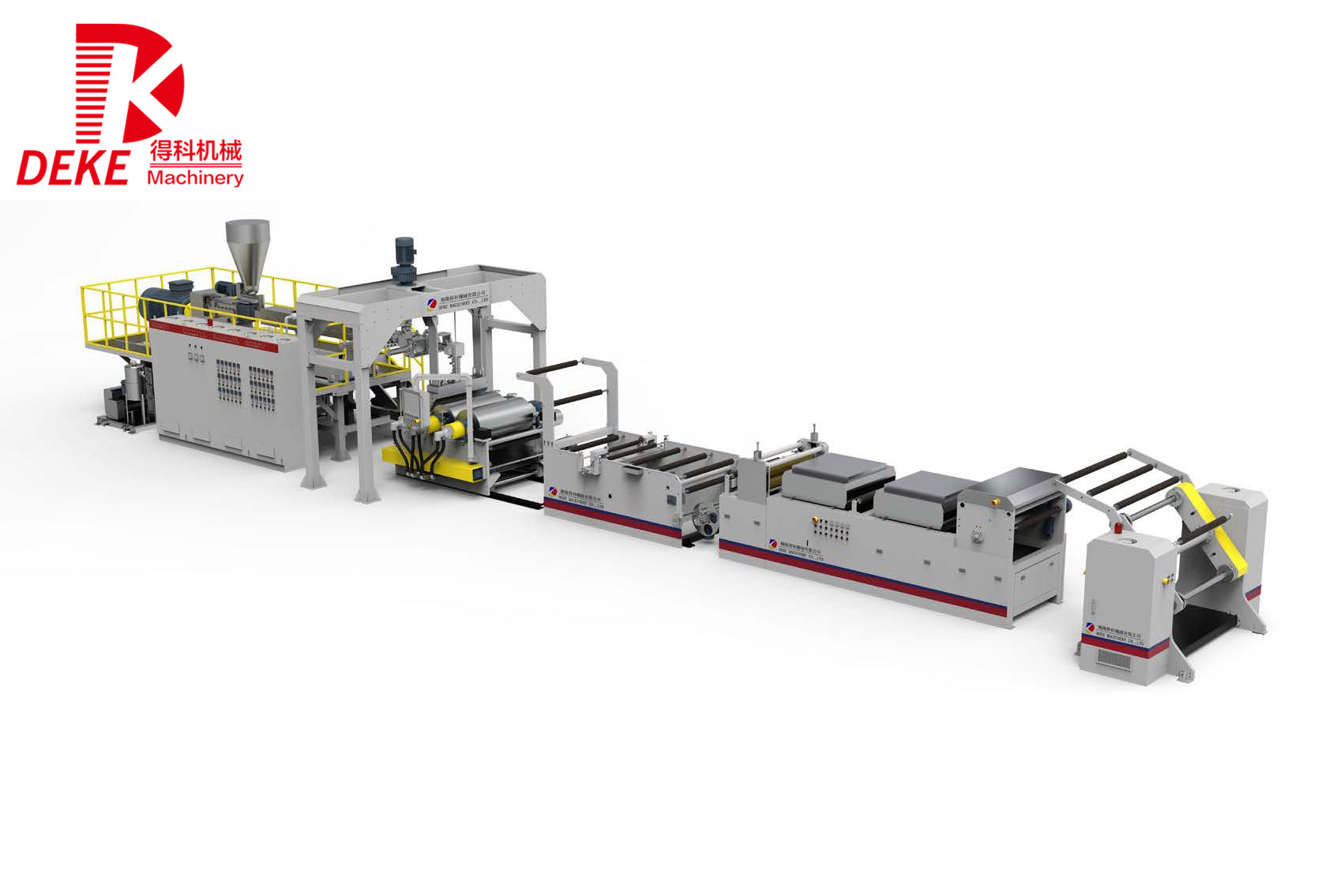
Micro Twin Screw Extruders: Pioneering the Future of Circular Economy in Plastic Manufacturing
Table of Contents
- 1. Introduction to Micro Twin Screw Extruders and Circular Economy
- 2. Understanding Micro Twin Screw Extruders
- 2.1. Key Components and Functions
- 2.2. Types of Micro Twin Screw Extruders
- 3. The Role of Micro Twin Screw Extruders in Circular Economy
- 3.1. Reducing Waste Generation
- 3.2. Enhancing Material Recovery
- 4. Operational Efficiency and Performance Benefits
- 4.1. Process Flexibility and Versatility
- 4.2. Energy Efficiency
- 5. Case Studies: Successful Applications in the Industry
- 6. Future Trends and Innovations in Micro Twin Screw Extruders
- 7. Frequently Asked Questions (FAQs)
- 8. Conclusion
1. Introduction to Micro Twin Screw Extruders and Circular Economy
Micro twin screw extruders are vital in today’s manufacturing landscape, especially within the context of the circular economy. As industries evolve towards more sustainable practices, the ability to efficiently recycle materials and minimize waste becomes paramount. This article explores how micro twin screw extruders significantly contribute to these goals, transforming the plastic processing industry in the process.
2. Understanding Micro Twin Screw Extruders
Micro twin screw extruders are advanced machines designed for the processing of polymers and other materials. Their unique design allows for precise control over various extrusion processes, making them an ideal choice for applications requiring high quality and performance.
2.1. Key Components and Functions
The primary components of micro twin screw extruders include:
- **Screws**: Two intermeshing screws that provide excellent material mixing and dispersion.
- **Barrel**: Houses the screws and provides the necessary heat for material processing.
- **Drive System**: Powers the screws and controls their speed and torque.
- **Feeding System**: Introduces materials into the extruder in a controlled manner.
- **Die**: Shapes the extruded material into the desired form.
These components work together to enhance processing efficiency, offering benefits such as improved mixing, reduced energy consumption, and enhanced material handling.
2.2. Types of Micro Twin Screw Extruders
Micro twin screw extruders can be categorized based on their design and functionality, including:
- **Co-rotating Twin Screw Extruders**: Both screws rotate in the same direction, promoting excellent mixing and conveying properties.
- **Counter-rotating Twin Screw Extruders**: Screws rotate in opposite directions, allowing for greater control over material flow and processing conditions.
Each type has its specific applications and advantages, contributing to the diverse range of processes they can perform.
3. The Role of Micro Twin Screw Extruders in Circular Economy
The circular economy framework emphasizes reducing waste and maximizing resource efficiency. Micro twin screw extruders play a pivotal role in achieving these objectives through several mechanisms.
3.1. Reducing Waste Generation
Micro twin screw extruders enable manufacturers to minimize waste by optimizing the processing of raw materials. Their precise control over temperature and shear forces allows for the effective processing of recycled materials, reducing the reliance on virgin plastics. By incorporating recycled materials, manufacturers can significantly decrease the total waste generated during production.
3.2. Enhancing Material Recovery
These extruders facilitate the recycling of plastics by improving the quality of recycled materials. The ability to process different types of polymers and blend them seamlessly means that companies can recycle materials previously deemed unsuitable. As a result, micro twin screw extruders enhance the overall recovery rates of plastic waste, supporting the objectives of a circular economy.
4. Operational Efficiency and Performance Benefits
The implementation of micro twin screw extruders not only supports sustainability but also leads to improved operational efficiency in manufacturing processes.
4.1. Process Flexibility and Versatility
Micro twin screw extruders are known for their remarkable process flexibility, enabling manufacturers to switch between various materials and formulations with ease. This versatility allows companies to respond quickly to market demands and customer preferences, ensuring they remain competitive in a rapidly changing industry.
4.2. Energy Efficiency
These machines are designed to operate with high energy efficiency, significantly reducing the energy consumption associated with plastic processing. By optimizing the extrusion process and minimizing downtime, manufacturers can lower their operational costs while contributing to environmental sustainability.
5. Case Studies: Successful Applications in the Industry
Numerous companies have successfully integrated micro twin screw extruders into their production processes, witnessing substantial benefits. For instance, a leading packaging manufacturer adopted micro twin screw extruders to enhance their recycling capabilities, resulting in a 30% increase in recycled material usage and a significant reduction in production waste.
Another case involved a manufacturer of automotive components, using micro twin screw extruders to blend post-consumer recycled plastics with virgin materials, improving product quality while reducing their carbon footprint.
6. Future Trends and Innovations in Micro Twin Screw Extruders
As the demand for sustainable manufacturing practices grows, micro twin screw extruders are expected to evolve further. Innovations may include advancements in automation, enhanced monitoring systems for process optimization, and the integration of artificial intelligence to streamline operations.
Moreover, the development of new materials compatible with micro twin screw extrusion will likely open up new avenues for applications, reinforcing their role in a sustainable future.
7. Frequently Asked Questions (FAQs)
What is a micro twin screw extruder?
A micro twin screw extruder is a specialized machine used for processing polymers, featuring two intermeshing screws that enhance mixing and material handling.
How do micro twin screw extruders contribute to sustainability?
They help reduce waste by optimizing the use of recycled materials and improving material recovery rates, thereby supporting the principles of a circular economy.
What types of materials can be processed with micro twin screw extruders?
Micro twin screw extruders can process a wide range of materials, including various types of plastics, composites, and even biopolymers.
Are micro twin screw extruders energy-efficient?
Yes, they are designed to operate with high energy efficiency, reducing operational costs and minimizing their environmental impact.
What are some applications of micro twin screw extruders?
These extruders are used in various industries, including packaging, automotive, electronics, and medical devices, for applications such as compounding, recycling, and product formulation.
8. Conclusion
Micro twin screw extruders stand at the forefront of the plastic manufacturing industry, offering vital support to the circular economy. By enhancing material recovery, reducing waste, and improving operational efficiency, these machines not only contribute to sustainable practices but also empower manufacturers to thrive in a competitive marketplace. As technology advances, the potential for micro twin screw extruders to further revolutionize the industry remains vast, promising a more sustainable future for plastic processing.
RELATED INFORMATION

Why Choose Conical Twin Screw for Your Next Extrusion Project?
Why Choose Conical Twin Screw for Your Next Extrusion Project? Understanding Extrusion Technology In the realm of **plastic processing**, extrusion is an essential manufacturing technique that transforms raw plastic materials into usable products. The **extrusion process** involves forcing molten plastic through a die to create continuous shapes like sheets, films, and profiles. With advancements
Understanding the Advantages of Counter Rotating Twin Screw Extruders for Plastic Processing
Counter rotating twin screw extruders are pivotal in the plastic processing industry, recognized for their versatility and efficiency. Unlike single screw extruders, twin screw extruders feature two intermeshing screws that rotate in opposite directions. This design allows for enhanced material handling and processing capabilities, making them suitable for a wide array of applications. One of the

Website

Copyright©Jieyang Deke Machinery Co., Ltd.