
Maximizing Throughput with Twin Screw Co-Rotating Extruders: Tips and Tricks for Enhanced Performance
2025-02
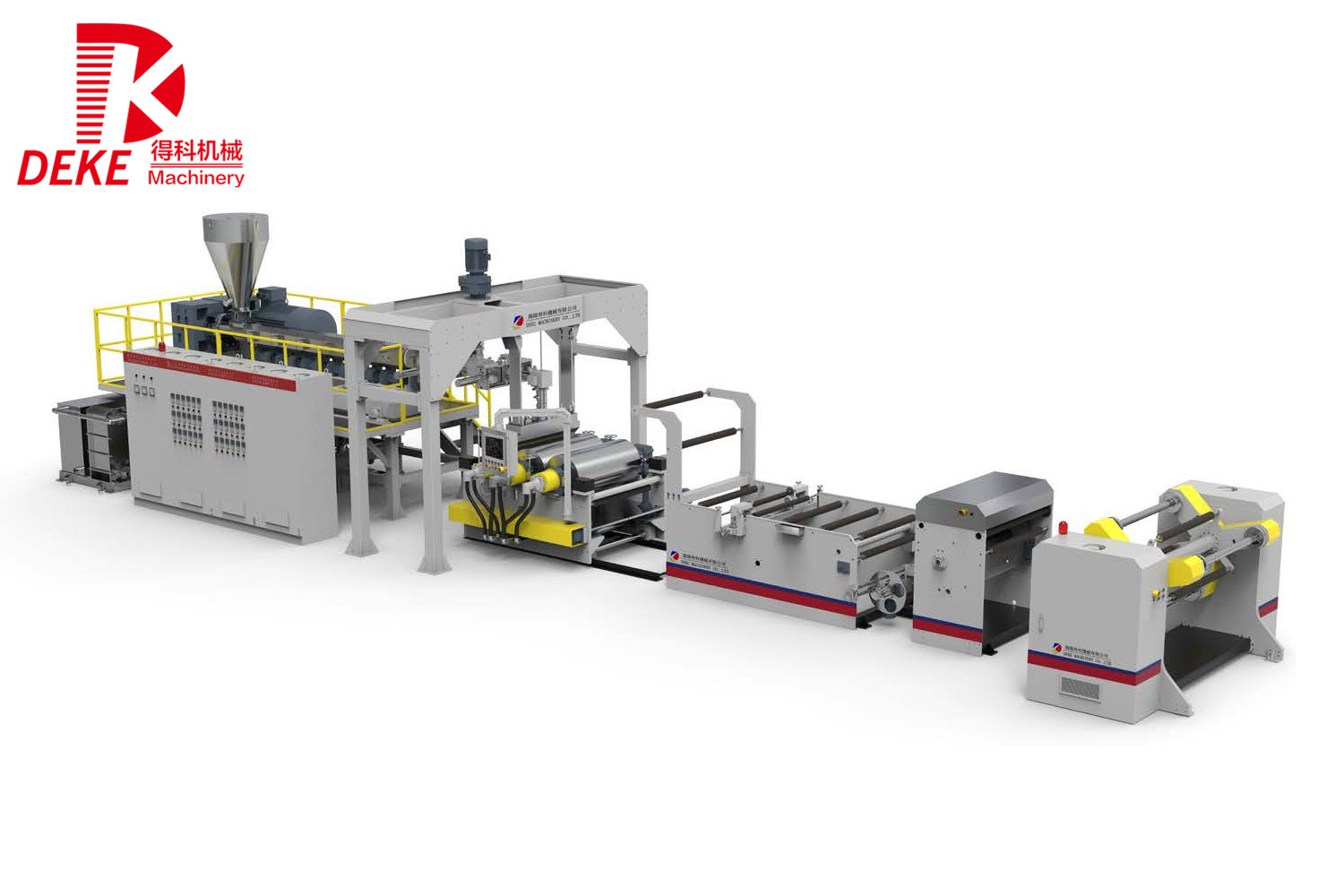
Maximizing Throughput with Twin Screw Co-Rotating Extruders: Tips and Tricks for Enhanced Performance
Table of Contents
- 1. Introduction to Twin Screw Co-Rotating Extruders
- 2. Understanding Throughput in Plastic Extrusion
- 3. Key Factors Affecting Throughput
- 3.1 Material Characteristics
- 3.2 Screw Design and Configuration
- 3.3 Temperature and Pressure Control
- 4. Tips to Maximize Throughput
- 5. Common Challenges and Solutions
- 6. Maintenance for Optimal Performance
- 7. Future Trends in Extrusion Technology
- 8. FAQs
- 9. Conclusion
1. Introduction to Twin Screw Co-Rotating Extruders
Twin screw co-rotating extruders are pivotal in the plastic processing industry, designed to effectively melt, mix, and extrude polymers into a wide variety of products. Their increasing popularity stems from their ability to provide enhanced mixing capabilities, efficient heat transfer, and versatility in processing various materials. Understanding how to maximize throughput in these machines is crucial for optimizing production efficiency and quality.
2. Understanding Throughput in Plastic Extrusion
Throughput refers to the volume of material processed by the extruder over a specific period. It is a vital metric for evaluating the efficiency of the extrusion process. In twin screw co-rotating extruders, throughput can be influenced by several factors, including material properties, machine settings, and operational practices. Striving for higher throughput not only enhances productivity but also reduces operational costs, making it an essential focus for manufacturers.
3. Key Factors Affecting Throughput
Several critical elements influence the throughput of twin screw co-rotating extruders. Understanding these factors can help optimize performance significantly.
3.1 Material Characteristics
The properties of the material being processed play a foundational role in determining throughput. Factors such as viscosity, melt flow index (MFI), and thermal stability should be considered. Materials with high viscosity may require higher temperatures or specialized screw designs to facilitate efficient processing.
3.2 Screw Design and Configuration
The design and configuration of the screws in a twin screw co-rotating extruder greatly affect mixing efficiency and throughput. Optimal screw geometry, including the arrangement of elements like kneading blocks and mixing sections, can lead to better material flow, enhanced mixing, and increased output rates.
3.3 Temperature and Pressure Control
Maintaining precise temperature and pressure throughout the extrusion process is essential. Inadequate control can lead to material degradation, inconsistency, and reduced throughput. Implementing advanced temperature monitoring and control systems can help maintain the ideal processing conditions for maximum efficiency.
4. Tips to Maximize Throughput
To ensure that your twin screw co-rotating extruder operates at its peak performance, consider the following practical tips:
4.1 Optimizing Feed Rates
Adjusting feed rates to match the processing capacity of the extruder is crucial. Insufficient or excessive feeding can lead to bottlenecks in the system, resulting in reduced throughput. Conducting trials to find the optimal feed rate for each specific material can significantly enhance efficiency.
4.2 Adjusting Screw Speed
The speed of the screws also directly influences throughput. Faster screw speeds can increase the rate of material transport and mixing but may also lead to increased shear and potential material degradation. It's essential to find a balance that enhances throughput without compromising material integrity.
4.3 Utilizing Effective Cooling Systems
Cooling systems play a significant role in maintaining optimal processing temperatures, especially when dealing with heat-sensitive materials. Implementing proper cooling strategies can help prevent overheating, ensuring that the material remains within the desired temperature range, ultimately maximizing throughput.
5. Common Challenges and Solutions
Even with the best practices in place, manufacturers may face challenges that hinder throughput. Understanding these challenges and their solutions can lead to more efficient operations.
- **Material Variability**: Inconsistent material quality can lead to fluctuations in throughput. Establishing strict quality control measures and sourcing materials from reputable suppliers can mitigate this issue.
- **Equipment Malfunction**: Regular maintenance and timely repairs are vital to prevent downtime caused by equipment failure. Implement a proactive maintenance schedule to ensure that all components are functioning correctly.
6. Maintenance for Optimal Performance
Regular maintenance is essential for ensuring that twin screw co-rotating extruders operate efficiently. Key maintenance practices include:
- **Routine Inspections**: Conduct routine checks of all extruder components, including screws, barrels, and temperature control systems, to identify potential issues before they escalate.
- **Lubrication**: Proper lubrication of mechanical parts reduces friction and wear, prolonging the lifespan of the machine and enhancing performance.
- **Calibration**: Regularly calibrate the extruder’s controls to ensure accurate readings and settings, which can help maintain optimal processing conditions.
7. Future Trends in Extrusion Technology
The extrusion industry is continually evolving, with advancements in technology offering new ways to maximize throughput. Key trends include:
- **Smart Technology Integration**: Implementing IoT (Internet of Things) devices for real-time monitoring and adjustments can enhance operational efficiency and throughput.
- **Sustainable Practices**: As sustainability becomes a priority, more manufacturers are exploring bioplastics and recycling materials, which may require innovative extrusion techniques.
- **Advanced Simulation Software**: Utilizing simulation tools can help in designing more efficient screw configurations, predicting material behavior, and enhancing overall throughput.
8. FAQs
What is the difference between co-rotating and counter-rotating twin screw extruders?
Co-rotating twin screw extruders have screws that rotate in the same direction, providing enhanced mixing capabilities and material transport, while counter-rotating screws rotate in opposite directions, often leading to higher shear but less efficient mixing.
How can I determine the optimal screw speed for my extruder?
Identifying the optimal screw speed typically involves conducting trial runs with different speeds while monitoring material degradation and throughput rates. Adjustments can be made based on the material characteristics and processing goals.
What types of materials can be processed with twin screw extruders?
Twin screw extruders can process a variety of materials, including thermoplastics, thermosets, and composites. They are particularly effective for materials that require high mixing and shear.
What are the signs of poor throughput in my extruder?
Indicators of poor throughput may include decreased production rates, increased energy consumption, irregular material quality, and visible signs of material degradation.
How often should maintenance be performed on an extruder?
Maintenance frequency should be determined based on operational hours and the manufacturer's guidelines. Generally, routine inspections should be conducted monthly, with more detailed maintenance performed quarterly or annually.
9. Conclusion
Maximizing throughput in twin screw co-rotating extruders is essential for enhancing production efficiency and product quality. By understanding the key factors that affect throughput and implementing effective tips and strategies, manufacturers can significantly improve their extrusion processes. Regular maintenance and staying updated with the latest trends in extrusion technology will further ensure optimal performance, making it easier to meet the increasing demands of the plastic processing industry.
RELATED INFORMATION

Why Choose Conical Twin Screw for Your Next Extrusion Project?
Why Choose Conical Twin Screw for Your Next Extrusion Project? Understanding Extrusion Technology In the realm of **plastic processing**, extrusion is an essential manufacturing technique that transforms raw plastic materials into usable products. The **extrusion process** involves forcing molten plastic through a die to create continuous shapes like sheets, films, and profiles. With advancements
Understanding the Advantages of Counter Rotating Twin Screw Extruders for Plastic Processing
Counter rotating twin screw extruders are pivotal in the plastic processing industry, recognized for their versatility and efficiency. Unlike single screw extruders, twin screw extruders feature two intermeshing screws that rotate in opposite directions. This design allows for enhanced material handling and processing capabilities, making them suitable for a wide array of applications. One of the

Website

Copyright©Jieyang Deke Machinery Co., Ltd.