
Understanding Twin Screw Co-Rotating Extruders: Key Insights for Professionals
2025-02
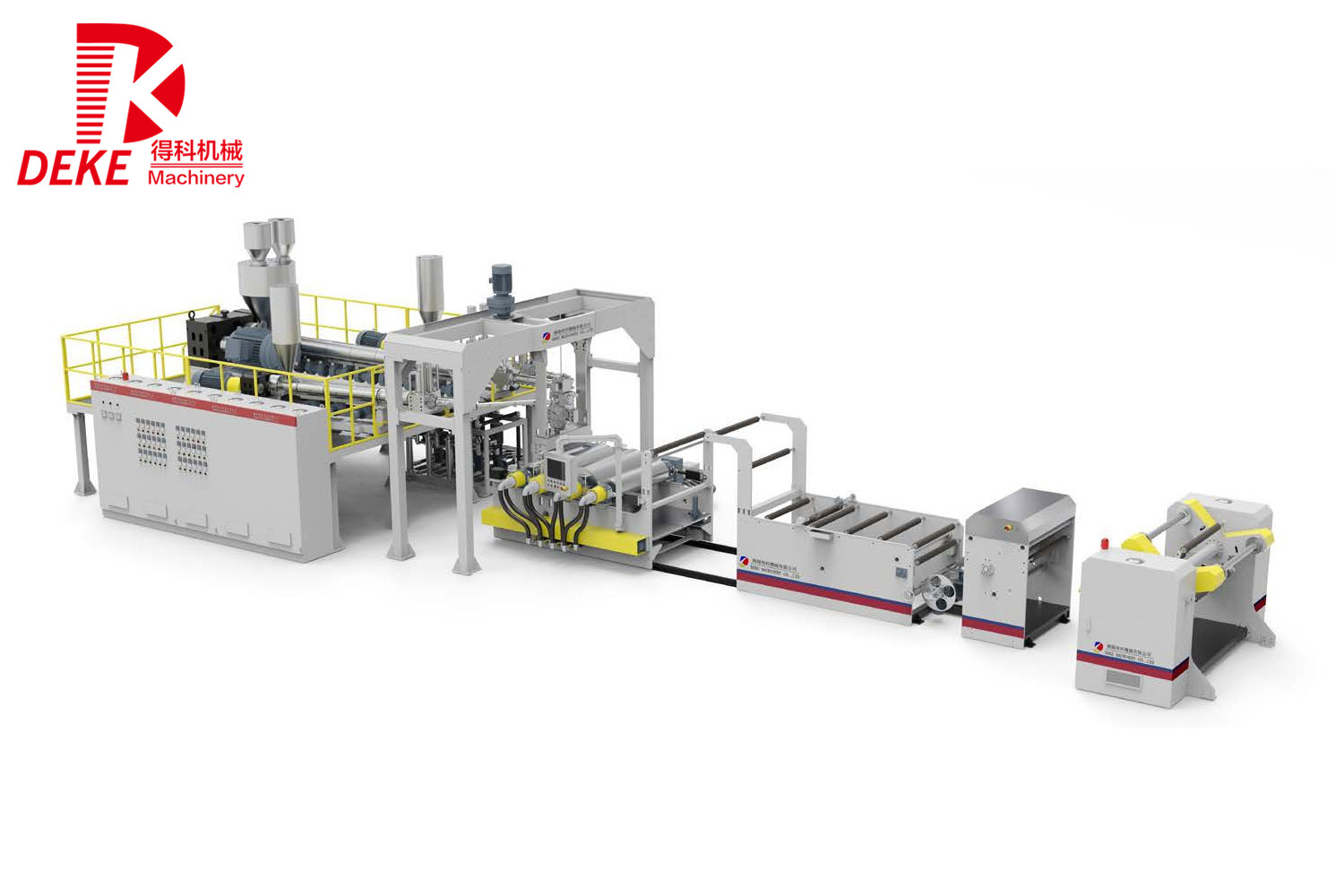
One key benefit of twin screw co-rotating extruders is their exceptional ability to handle a wide range of materials, including thermoplastics, thermosets, and even filled or compounded formulations. The co-rotation of the screws ensures that materials are uniformly mixed, leading to better consistency in the final product. This is particularly beneficial in applications where precise material properties are crucial, such as in the production of high-performance polymers.
Moreover, the design of twin screw co-rotating extruders allows for greater flexibility in processing. Manufacturers can easily adjust the configuration of the screws and the temperature settings to accommodate different materials and process requirements. This adaptability makes it possible to switch between production runs with minimal downtime, thereby enhancing overall operational efficiency.
Another significant advantage is the enhanced shear force generated during the processing phase. The interaction between the two screws creates a high shear environment, which is ideal for dispersing additives, fillers, and other materials. This ensures that the final product achieves the desired mechanical properties and performance characteristics. Additionally, the ability to incorporate various in-line devices—such as vacuum degassing units or injection ports—further expands the capabilities of twin screw co-rotating extruders.
Operation of a twin screw co-rotating extruder typically involves several stages, including material feeding, melting, mixing, and extrusion. The precise control of these stages is critical for achieving optimal results. Many modern twin screw extruders are equipped with advanced control systems that allow operators to monitor and adjust parameters in real-time, ensuring consistent quality throughout the production process.
In conclusion, twin screw co-rotating extruders offer a multitude of advantages in the plastic processing industry, making them an essential tool for manufacturers looking to enhance their production capabilities. With their superior mixing, adaptability, and efficiency, these machines are well-suited for a variety of applications, ensuring that manufacturers can meet the ever-evolving demands of the market while maintaining high standards of quality and performance. Understanding the intricacies of twin screw co-rotating extruders will empower professionals in the field to make informed decisions that can significantly impact their operational success.
Previous Page:
RELATED INFORMATION

Why Choose Conical Twin Screw for Your Next Extrusion Project?
Why Choose Conical Twin Screw for Your Next Extrusion Project? Understanding Extrusion Technology In the realm of **plastic processing**, extrusion is an essential manufacturing technique that transforms raw plastic materials into usable products. The **extrusion process** involves forcing molten plastic through a die to create continuous shapes like sheets, films, and profiles. With advancements
Understanding the Advantages of Counter Rotating Twin Screw Extruders for Plastic Processing
Counter rotating twin screw extruders are pivotal in the plastic processing industry, recognized for their versatility and efficiency. Unlike single screw extruders, twin screw extruders feature two intermeshing screws that rotate in opposite directions. This design allows for enhanced material handling and processing capabilities, making them suitable for a wide array of applications. One of the

Website

Copyright©Jieyang Deke Machinery Co., Ltd.