
Understanding Twin Screw Extruders for Compounding: An Essential Guide
2025-02
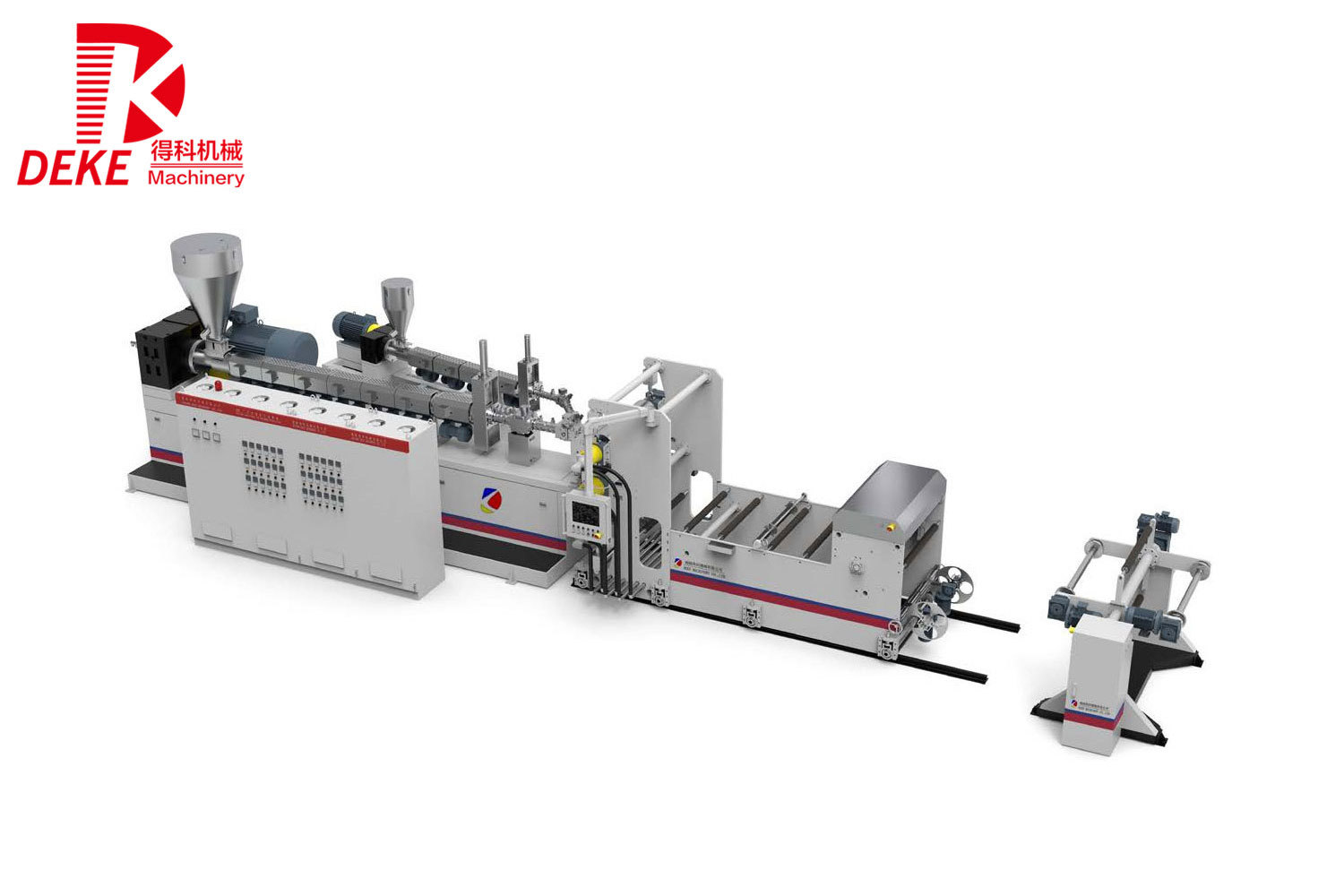
One of the primary advantages of twin screw extruders for compounding is their enhanced mixing capability. The dual-screw configuration can accommodate a variety of materials, including polymers, additives, and fillers, enabling manufacturers to create complex material formulations. This flexibility is particularly beneficial for producing thermoplastics and thermosetting polymers, where achieving uniform dispersion of ingredients is crucial for performance and quality.
Another significant benefit of using twin screw extruders is their ability to operate under various processing conditions. They can handle a wide range of temperatures and pressures, which makes them suitable for processing materials with different thermal properties. Furthermore, twin screw extruders can be configured with interchangeable components and multiple feeding zones, allowing for the introduction of additives at various stages of the compounding process. This adaptability ensures that manufacturers can fine-tune their processes to meet specific material requirements.
In addition to their versatility and efficiency, twin screw extruders also offer enhanced control over the compounding process. The ability to adjust feed rates, screw speed, and temperature profiles enables operators to maintain precise control over the material characteristics. This level of control is essential for ensuring consistent product quality and performance, which is particularly important in applications such as automotive, packaging, and consumer goods.
Moreover, twin screw extruders facilitate a continuous processing approach, which contributes to higher productivity and lower production costs. The continuous nature of the process means that materials can be fed into the extruder without interruption, resulting in a steady output of compounded products. This efficiency is a significant advantage for manufacturers looking to optimize their production lines and improve overall operational efficiency.
In conclusion, twin screw extruders for compounding play a vital role in the plastic processing industry. With their enhanced mixing capabilities, adaptability to different materials and conditions, and precise control over the compounding process, they are an essential tool for manufacturers seeking to produce high-quality compounded products. Understanding the functionality and advantages of twin screw extruders can help businesses make informed decisions about their processing equipment and improve their overall product offerings.
Next page:
RELATED INFORMATION

Why Choose Conical Twin Screw for Your Next Extrusion Project?
Why Choose Conical Twin Screw for Your Next Extrusion Project? Understanding Extrusion Technology In the realm of **plastic processing**, extrusion is an essential manufacturing technique that transforms raw plastic materials into usable products. The **extrusion process** involves forcing molten plastic through a die to create continuous shapes like sheets, films, and profiles. With advancements
Understanding the Advantages of Counter Rotating Twin Screw Extruders for Plastic Processing
Counter rotating twin screw extruders are pivotal in the plastic processing industry, recognized for their versatility and efficiency. Unlike single screw extruders, twin screw extruders feature two intermeshing screws that rotate in opposite directions. This design allows for enhanced material handling and processing capabilities, making them suitable for a wide array of applications. One of the

Website

Copyright©Jieyang Deke Machinery Co., Ltd.