
Why Choose a Twin Screw Extruder for Your Plastic Compounding Needs?
2025-02
Why Choose a Twin Screw Extruder for Your Plastic Compounding Needs?
Introduction to Twin Screw Extruders in Plastic Compounding
The realm of **plastic processing** continues to evolve, leading to increased demand for methods that ensure quality, efficiency, and versatility in manufacturing. At the forefront of these advancements is the **twin screw extruder**, a machine celebrated for its unique capabilities in **plastic compounding**. This article provides an in-depth exploration of why twin screw extruders are the preferred choice for businesses engaged in plastic processing.
Understanding Twin Screw Extruders
What is a Twin Screw Extruder?
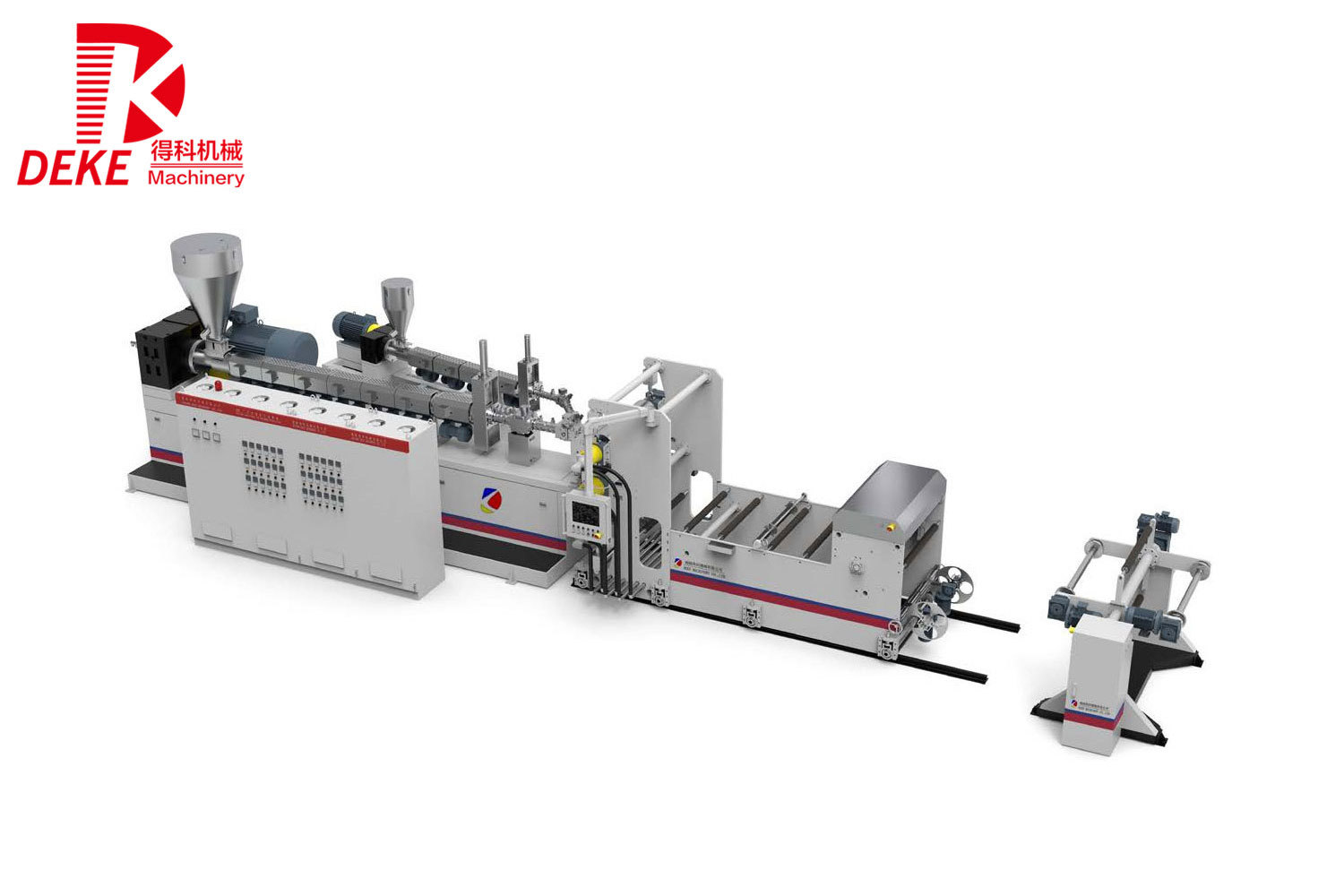
A twin screw extruder is a processing device that utilizes two intermeshing screws to mix, melt, and shape thermoplastic materials. These machines are designed for a wide range of applications, particularly in the **plastic compounding** industry. The twin screws rotate in the same direction or opposite directions, which allows for effective mixing and compounding.
Key Components of a Twin Screw Extruder
The key components of a twin screw extruder include:
- **Feeding System**: Efficiently introduces raw materials to the extruder.
- **Barrel**: Houses the screws and provides heating elements for optimal material processing.
- **Screws**: Responsible for conveying, mixing, and melting the materials.
- **Die**: Shapes the final product as it exits the extruder.
Advantages of Twin Screw Extruders in Plastic Compounding
1. Enhanced Mixing and Processing Capabilities
One of the most significant advantages of twin screw extruders is their superior mixing capabilities. The intermeshing design allows for a thorough mixing of materials, leading to a homogenous output. This is critical in plastic compounding, where material properties need to be uniform to ensure high-quality end products.
2. Versatility in Processing Different Materials
Twin screw extruders are remarkably versatile. They can process a wide variety of materials, including:
- Thermoplastics
- Thermosets
- Filled materials (e.g., glass fibers, minerals)
- Additives and colorants
This versatility makes them suitable for numerous applications ranging from automotive components to consumer goods.
3. Precise Temperature Control
Maintaining the right temperature is crucial in plastic processing. Twin screw extruders typically feature advanced temperature control systems, allowing operators to monitor and adjust the heat precisely throughout the process. This level of control helps to prevent degradation of materials and ensures consistent product quality.
4. High Throughput Rates
Twin screw extruders offer high throughput rates, making them ideal for large-scale production. The efficient design enables continuous processing, reducing downtime and increasing productivity.
5. Ability to Incorporate Additives Efficiently
In plastic compounding, the ability to effectively blend additives into the base resin is critical. Twin screw extruders excel in this area, managing to uniformly distribute additives such as stabilizers, fillers, and colorants within the plastic matrix.
Applications of Twin Screw Extruders in Plastic Compounding
1. Masterbatch Production
Twin screw extruders are frequently used in the production of **masterbatches**, which are concentrated mixtures of pigments and additives. The excellent mixing capabilities of twin screw extruders ensure that the colorants are evenly dispersed, resulting in vibrant and uniform colors in the final product.
2. Polymer Blending
In applications requiring the blending of different polymers, twin screw extruders provide the necessary control and efficiency. They can handle varying melt flow rates and process conditions, making them suitable for creating polymer blends with tailored properties.
3. Compounding Engineering Plastics
Engineering plastics often require specific mechanical and thermal properties. Twin screw extruders enable precise compounding of these materials, ensuring the desired characteristics are achieved for applications in demanding environments, such as aerospace and automotive industries.
Factors to Consider When Choosing a Twin Screw Extruder
1. Application Requirements
When selecting a twin screw extruder, it’s essential to assess the specific requirements of your application. Different industries may demand varying levels of throughput, mixing quality, and adaptability to diverse materials.
2. Screw Design
The design of the screws significantly affects processing performance. Options such as geometry, size, and pitch must be evaluated based on the materials being processed and the desired end product.
3. Control Systems
Advanced control systems enhance the operational efficiency of twin screw extruders. Look for machines with digital interfaces that allow real-time monitoring and adjustments to temperature, pressure, and speed.
4. Maintenance and Support
Consider the availability of maintenance services and support from the manufacturer. Reliable after-sales support can be instrumental in minimizing downtime and extending the lifespan of the machine.
Comparing Twin Screw Extruders to Other Extrusion Technologies
1. Single Screw Extruders
Single screw extruders are commonly used, but they have limitations in terms of mixing and processing capabilities. Twin screw extruders outperform them in applications requiring high levels of mixing, especially when additives must be uniformly distributed.
2. Batch Extruders
While batch extruders offer flexibility, they cannot match the continuous processing efficiency of twin screw extruders. The latter provide consistent quality and higher productivity, making them a preferred choice for mass production.
Cost Considerations for Twin Screw Extruders
1. Initial Investment
The upfront cost of a twin screw extruder can be higher compared to other types of extruders. However, the long-term benefits, including increased productivity and quality, often justify this investment.
2. Operating Costs
Operating costs should also be considered, including energy consumption, maintenance, and labor. Twin screw extruders tend to have higher efficiency, which can lead to reduced operational costs over time.
The Future of Twin Screw Extruders in the Plastic Industry
As the plastic industry continues to evolve towards sustainability and efficiency, twin screw extruders are expected to play a vital role. Innovations in design and technology will further enhance their capabilities, making them increasingly valuable for plastic compounding applications.
Frequently Asked Questions (FAQs)
1. What materials can be processed using a twin screw extruder?
Twin screw extruders can process a wide range of materials, including thermoplastics, thermosets, and various additives.
2. How does a twin screw extruder differ from a single screw extruder?
Twin screw extruders offer better mixing capabilities and versatility in processing materials compared to single screw extruders.
3. What industries benefit from twin screw extruders?
Industries such as automotive, aerospace, packaging, and consumer goods benefit from the efficient processing capabilities of twin screw extruders.
4. Are twin screw extruders suitable for small-scale production?
While twin screw extruders excel in large-scale production, they can also be adapted for small-scale applications depending on the design and configuration.
5. What factors should I consider when purchasing a twin screw extruder?
Consider application requirements, screw design, control systems, and the availability of maintenance support when choosing a twin screw extruder.
Conclusion
Choosing a twin screw extruder for your plastic compounding needs is a strategic decision that can significantly impact your production efficiency and product quality. With their superior mixing capabilities, versatility in processing various materials, and advanced control features, twin screw extruders stand out as the ideal choice in the plastic processing industry. Investing in this technology can propel your manufacturing operations into a new era of productivity and innovation, ensuring that you remain competitive in a rapidly evolving market.
Previous Page:
RELATED INFORMATION

Why Choose Conical Twin Screw for Your Next Extrusion Project?
Why Choose Conical Twin Screw for Your Next Extrusion Project? Understanding Extrusion Technology In the realm of **plastic processing**, extrusion is an essential manufacturing technique that transforms raw plastic materials into usable products. The **extrusion process** involves forcing molten plastic through a die to create continuous shapes like sheets, films, and profiles. With advancements
Understanding the Advantages of Counter Rotating Twin Screw Extruders for Plastic Processing
Counter rotating twin screw extruders are pivotal in the plastic processing industry, recognized for their versatility and efficiency. Unlike single screw extruders, twin screw extruders feature two intermeshing screws that rotate in opposite directions. This design allows for enhanced material handling and processing capabilities, making them suitable for a wide array of applications. One of the

Website

Copyright©Jieyang Deke Machinery Co., Ltd.