
Understanding Twin Screw Extruders for Compounding: Key Insights for Manufacturing Professionals
2025-02
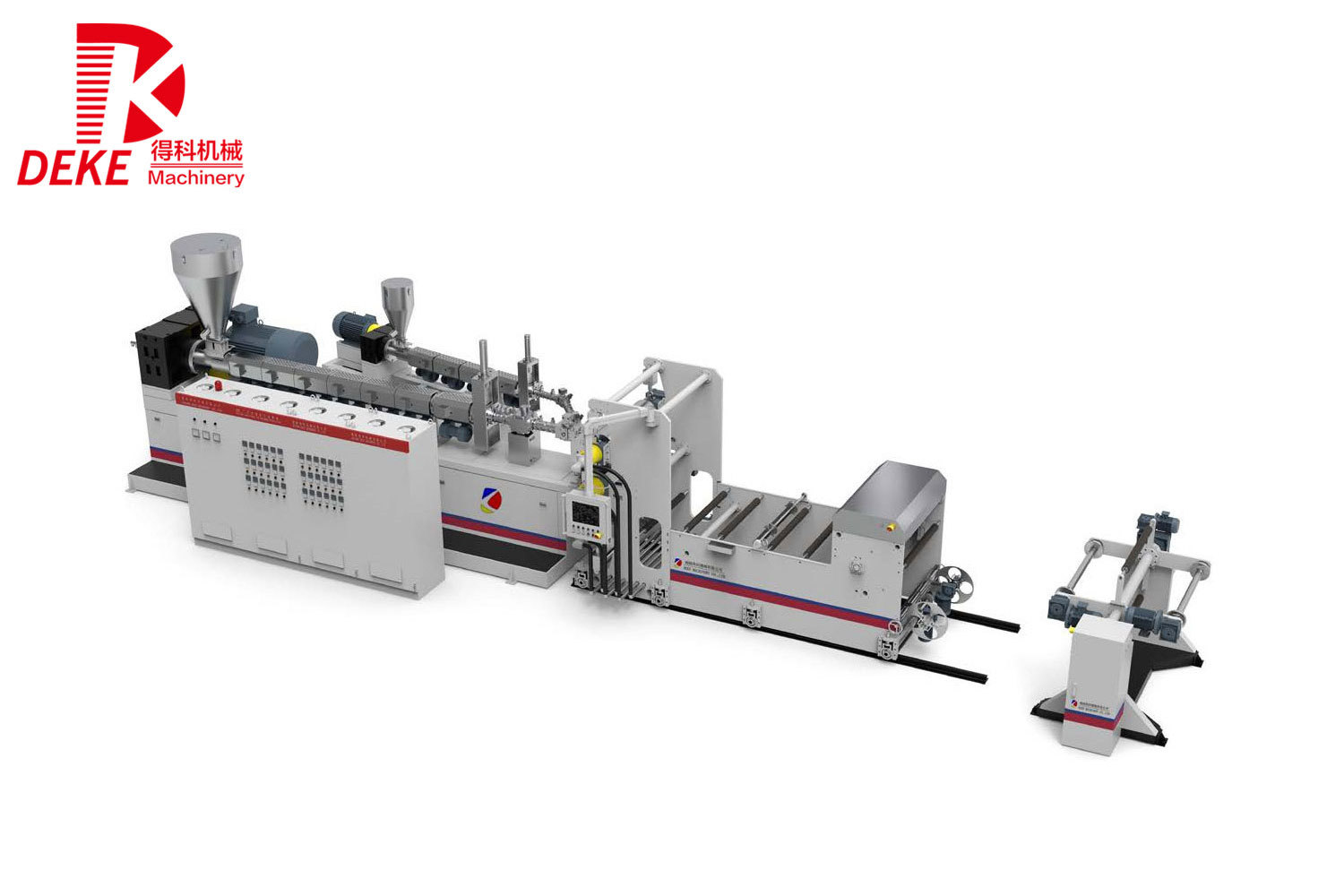
One of the key advantages of twin screw extruders is their ability to handle a wide variety of materials, including different polymers, additives, and fillers. The twin screws operate in a counter-rotating or co-rotating manner, which not only enhances mixing efficiency but also provides better control over the temperature and pressure within the extruder. This precision is crucial in maintaining the properties of the materials being processed, especially when dealing with heat-sensitive compounds.
In addition to their mixing capabilities, twin screw extruders are equipped with a range of features that facilitate compounding. These include adjustable screw designs, temperature control zones, and various feed systems that allow for precise ingredient addition. The versatility of these machines makes them suitable for producing masterbatches, engineering plastics, and specialized compounds that require specific mechanical and thermal properties.
Another significant benefit of twin screw extruders is their efficiency in processing. The continuous operation of these machines reduces production times and minimizes material waste, making them an excellent choice for manufacturers looking to optimize their processes. Furthermore, the ability to process materials with varying viscosities and the capability to incorporate multiple additives simultaneously contribute to their widespread use in the industry.
In terms of application, twin screw extruders are widely utilized in the production of thermoplastics, thermosets, and composites. They play a vital role in sectors such as automotive, packaging, and electronics, where high-performance materials are essential. The ability to customize the compounding process allows manufacturers to meet specific performance criteria and regulatory requirements, enhancing the end-product's marketability.
As the demand for advanced materials and sustainable practices continues to rise, the role of twin screw extruders in the plastics industry is more critical than ever. Their ability to efficiently compound diverse materials makes them indispensable for manufacturers striving to innovate and improve their product offerings. Understanding the functionalities and advantages of twin screw extruders can empower industry professionals to make informed decisions regarding their manufacturing processes and equipment investments.
In conclusion, twin screw extruders are a cornerstone of compounding in the plastics manufacturing sector, offering unmatched versatility, efficiency, and control. As the industry evolves, staying informed about these advanced machines will enable professionals to leverage their capabilities to enhance product quality and operational efficiency.
RELATED INFORMATION

Why Choose Conical Twin Screw for Your Next Extrusion Project?
Why Choose Conical Twin Screw for Your Next Extrusion Project? Understanding Extrusion Technology In the realm of **plastic processing**, extrusion is an essential manufacturing technique that transforms raw plastic materials into usable products. The **extrusion process** involves forcing molten plastic through a die to create continuous shapes like sheets, films, and profiles. With advancements
Understanding the Advantages of Counter Rotating Twin Screw Extruders for Plastic Processing
Counter rotating twin screw extruders are pivotal in the plastic processing industry, recognized for their versatility and efficiency. Unlike single screw extruders, twin screw extruders feature two intermeshing screws that rotate in opposite directions. This design allows for enhanced material handling and processing capabilities, making them suitable for a wide array of applications. One of the

Website

Copyright©Jieyang Deke Machinery Co., Ltd.