
How Advanced Control Systems Enhance the Performance of Conical Twin Screw Extruders
2025-02
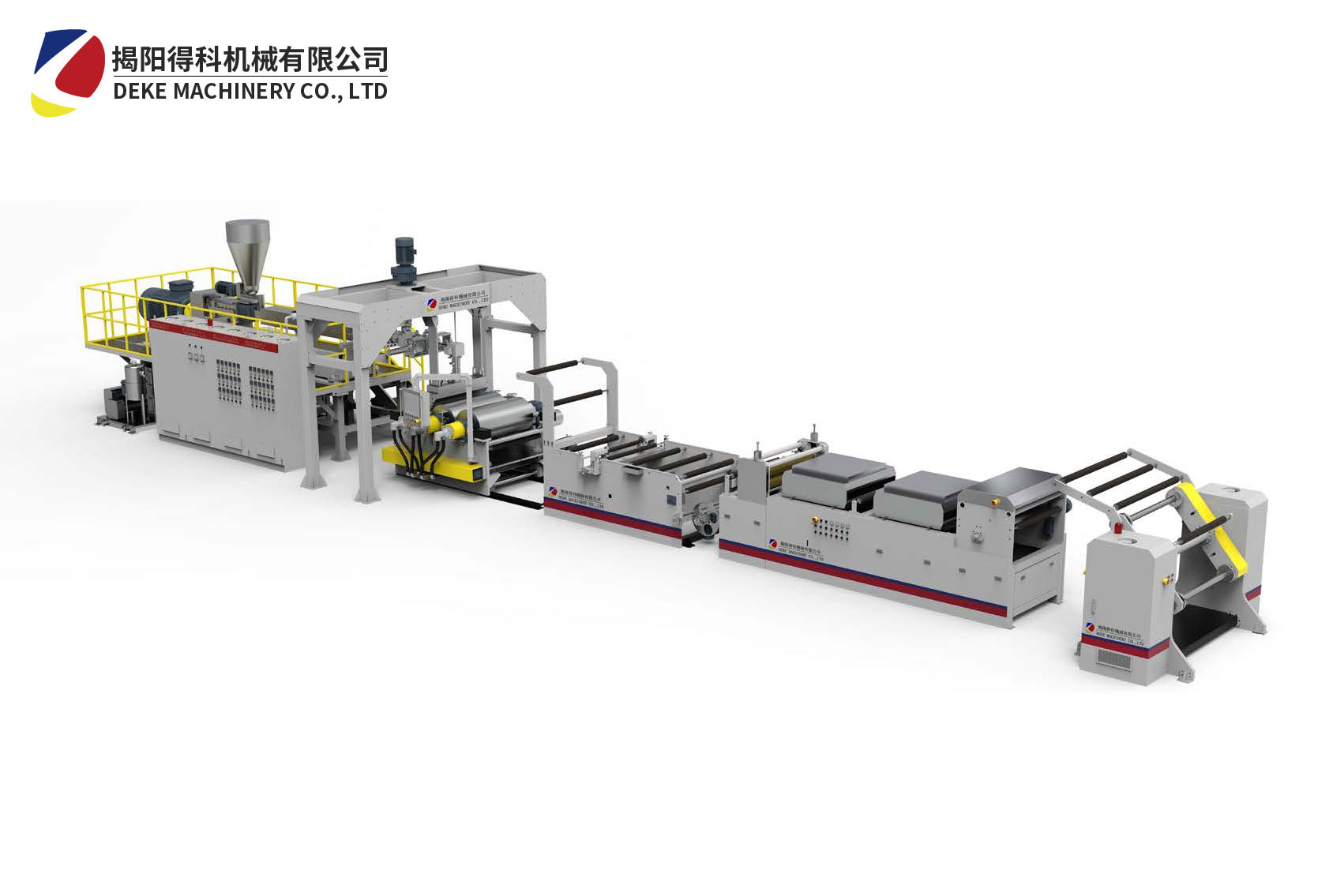
How Advanced Control Systems Enhance the Performance of Conical Twin Screw Extruders
Introduction
In the continuously evolving world of plastic manufacturing, optimizing machinery performance is crucial for achieving high efficiency and quality outputs. One of the pivotal machines in this domain is the conical twin screw extruder. This article delves into how **advanced control systems** play a significant role in enhancing extruder performance, providing manufacturers with the tools to improve product quality, reduce costs, and streamline operations.
Understanding Conical Twin Screw Extruders
What is a Conical Twin Screw Extruder?
A conical twin screw extruder is a type of processing machine used for the melting and mixing of polymers. Its unique design, featuring two intermeshing screws that run at an angle, facilitates better mixing and shearing of materials, resulting in a more homogenous melt. This design is particularly beneficial for processing materials with varying viscosities and densities.
Key Components of Conical Twin Screw Extruders
The primary components of a conical twin screw extruder include:
- **Feed Section:** Where raw materials are introduced.
- **Melting Zone:** Where polymers are heated to their melting point.
- **Mixing Zone:** Where materials are mixed and homogenized.
- **Die Section:** Where the melted material is shaped.
Each section plays a vital role in the overall performance of the extruder, and the efficiency of these components can be significantly enhanced through advanced control systems.
The Role of Advanced Control Systems
What are Advanced Control Systems?
Advanced control systems are technological solutions designed to monitor and manage the operations of manufacturing equipment. These systems use sensors, feedback loops, and sophisticated software algorithms to optimize performance across various parameters such as temperature, pressure, and flow rate.
Benefits of Implementing Advanced Control Systems in Extruders
- **Increased Efficiency:** By automating monitoring and adjustments, these systems ensure optimal operating conditions, leading to a reduction in energy consumption and material waste.
- **Enhanced Product Quality:** Advanced control systems enable precise control over processing variables, resulting in consistent product quality and minimized defects.
- **Real-Time Monitoring and Data Analytics:** Continuous monitoring allows manufacturers to gather valuable data, facilitating predictive maintenance and timely interventions before issues escalate.
How Advanced Control Systems Improve Extruder Performance
1. Temperature Control
Temperature uniformity is essential in the extrusion process. Advanced control systems use real-time data from sensors to maintain consistent temperatures throughout the melting and mixing zones. This precision reduces the risk of overheating or underheating, leading to improved material properties and better end products.
2. Pressure Regulation
Maintaining optimal pressure within the extruder is critical. Advanced control systems can adjust the pressure dynamically based on real-time feedback, ensuring that the material flow remains consistent. This regulation prevents bottlenecks and promotes uniform extrusion, which is vital for producing high-quality outputs.
3. Flow Rate Optimization
Controlling the flow rate of materials into the extruder is vital for achieving the desired output. Advanced control systems can monitor flow and make necessary adjustments to ensure that the feed rate is optimal for the current operational conditions. This feature enhances the overall throughput of the extruder.
4. Automated Adjustments
One of the most significant advantages of advanced control systems is their ability to make automated adjustments. Equipped with machine learning algorithms, these systems can learn from past performance and make real-time adjustments to improve efficiency and product quality continually.
5. Enhanced Mixing Capabilities
The mixing section of a conical twin screw extruder benefits significantly from advanced control systems. These systems enable precise control over the mixing parameters, ensuring that additives and colorants are uniformly distributed throughout the polymer matrix, resulting in a homogeneous final product.
Case Studies: Success Stories of Enhanced Performance
Case Study 1: A Leading Plastic Manufacturer
A leading plastic manufacturer implemented advanced control systems in their conical twin screw extruders, resulting in a 25% increase in production efficiency and a 15% reduction in material waste. By accurately controlling temperature and pressure, they achieved higher product quality while reducing energy consumption.
Case Study 2: Custom Polymer Solutions
A company specializing in custom polymer solutions adopted advanced control systems to fine-tune their extrusion processes. The result was a significant improvement in product consistency and a decrease in downtime due to fewer mechanical issues, showcasing the power of these systems in a demanding manufacturing environment.
Future Trends in Extrusion Technology
As technology continues to advance, the future of conical twin screw extruders looks promising. Emerging trends include:
- **Integration of IoT (Internet of Things):** IoT-enabled sensors will allow for greater connectivity and data exchange between machines, leading to even better optimization.
- **Artificial Intelligence and Machine Learning:** These technologies will enhance predictive maintenance capabilities and enable more sophisticated control algorithms.
- **Sustainability Initiatives:** Advanced control systems are likely to play a crucial role in promoting sustainability by optimizing energy consumption and reducing waste.
Conclusion
The impact of advanced control systems on the performance of conical twin screw extruders cannot be overstated. By facilitating precise control over critical parameters such as temperature, pressure, and flow rate, these systems enhance efficiency, improve product quality, and reduce operational costs. As the industry continues to evolve, embracing these technologies will be essential for manufacturers looking to stay competitive and meet the growing demands of the plastic processing market. Investing in advanced control systems today will pave the way for a more efficient, sustainable, and profitable future.
FAQs
1. What is a conical twin screw extruder used for?
A conical twin screw extruder is primarily used for the melting, mixing, and extrusion of polymers in the plastic processing industry.
2. How do advanced control systems work?
Advanced control systems utilize sensors and software algorithms to monitor and adjust the operational parameters of manufacturing equipment, ensuring optimal performance.
3. What are the benefits of implementing advanced control systems?
Benefits include increased efficiency, enhanced product quality, real-time monitoring, and automated adjustments that improve overall production operations.
4. Can advanced control systems reduce operational costs?
Yes, by optimizing energy use and minimizing waste through precise control, advanced control systems can significantly reduce operational costs.
5. What are the future trends in extrusion technology?
Future trends include the integration of IoT, advancements in artificial intelligence, and a focus on sustainability in extrusion processes.
Previous Page:
RELATED INFORMATION

Why Choose Conical Twin Screw for Your Next Extrusion Project?
Why Choose Conical Twin Screw for Your Next Extrusion Project? Understanding Extrusion Technology In the realm of **plastic processing**, extrusion is an essential manufacturing technique that transforms raw plastic materials into usable products. The **extrusion process** involves forcing molten plastic through a die to create continuous shapes like sheets, films, and profiles. With advancements
Understanding the Advantages of Counter Rotating Twin Screw Extruders for Plastic Processing
Counter rotating twin screw extruders are pivotal in the plastic processing industry, recognized for their versatility and efficiency. Unlike single screw extruders, twin screw extruders feature two intermeshing screws that rotate in opposite directions. This design allows for enhanced material handling and processing capabilities, making them suitable for a wide array of applications. One of the

Website

Copyright©Jieyang Deke Machinery Co., Ltd.