
Understanding the Process of PLA Sheet Extrusion: A Comprehensive Guide
2025-02
Understanding the Process of PLA Sheet Extrusion: A Comprehensive Guide
Table of Contents
- What is PLA and Its Importance in Manufacturing?
- Understanding the PLA Sheet Extrusion Process
- Key Equipment Used in PLA Sheet Extrusion
- Raw Materials and Preparation for PLA Extrusion
- Step-by-Step Guide to the PLA Sheet Extrusion Process
- Quality Control in PLA Sheet Extrusion
- Applications of PLA Sheets in Various Industries
- The Future of PLA Sheet Extrusion: Trends and Innovations
- Frequently Asked Questions
What is PLA and Its Importance in Manufacturing?
Polylactic Acid (PLA) is a biodegradable thermoplastic derived from renewable resources, primarily corn starch or sugarcane. As industries pivot towards sustainable practices, PLA emerges as a front-runner due to its eco-friendly properties. The material is not only versatile but also suitable for a variety of applications, ranging from packaging to medical supplies.
PLA's significance in manufacturing extends to its ability to decompose under the right conditions, reducing environmental impact. With increasing consumer demand for sustainable products, understanding PLA's properties and the extrusion process is crucial for manufacturers looking to innovate and meet market needs.
Understanding the PLA Sheet Extrusion Process
The PLA sheet extrusion process involves converting PLA pellets into continuous sheets through a series of controlled steps. This process enables manufacturers to create sheets of various thicknesses and widths, catering to specific product requirements.
Extrusion is a crucial technology in the manufacturing sector, enabling the production of complex shapes and profiles. By understanding the intricacies of PLA sheet extrusion, manufacturers can optimize their production processes, enhance product quality, and minimize waste.
Key Equipment Used in PLA Sheet Extrusion
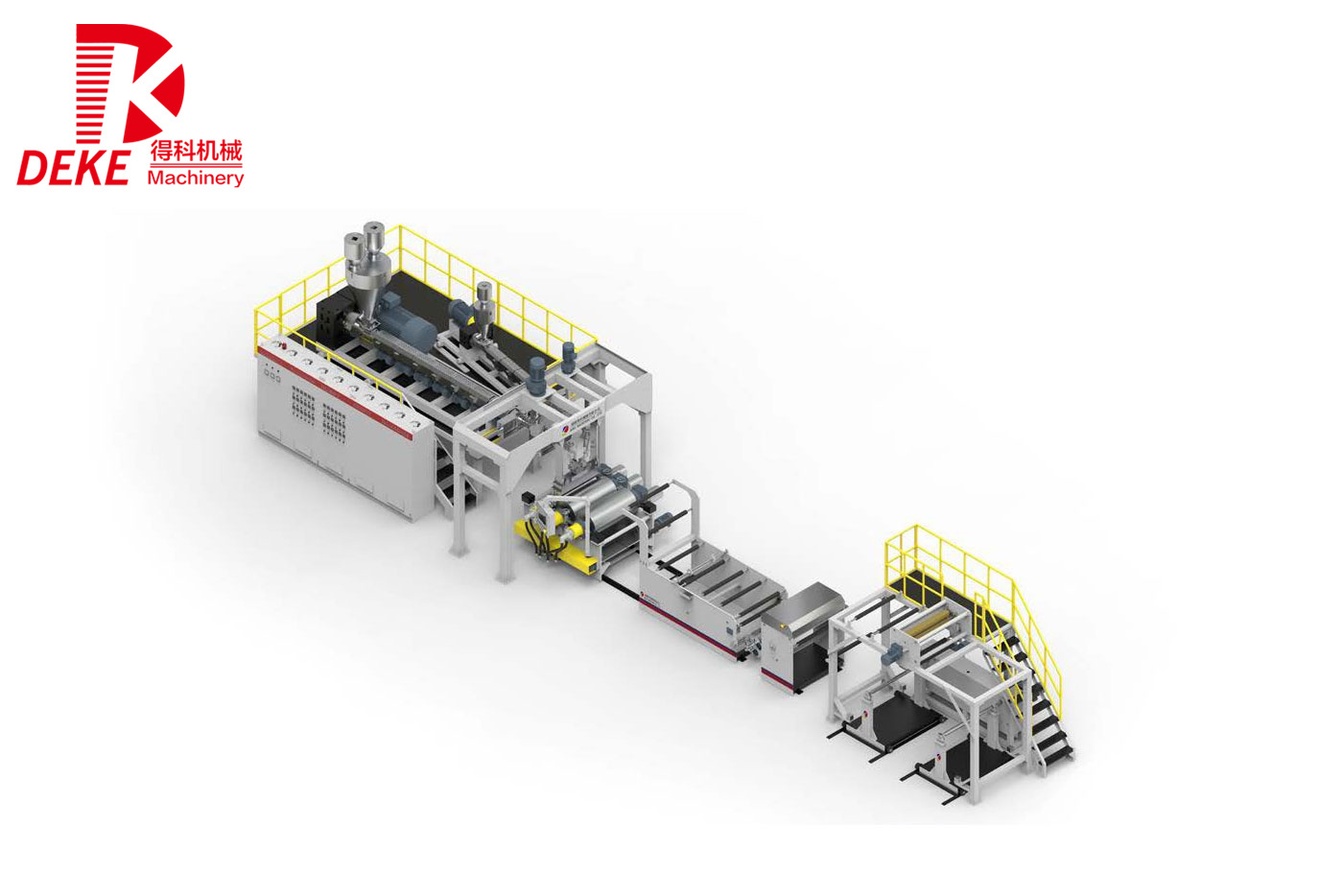
To successfully extrude PLA sheets, specific machinery is required. Here’s a breakdown of the essential equipment involved in the process:
1. Extruder
The heart of the operation, the extruder, is responsible for melting and mixing the PLA pellets. It consists of a hopper, barrel, and screw. The hopper feeds the raw material into the barrel, where the screw conveys and heats it until it reaches a molten state.
2. Die
The die shapes the molten PLA into a flat sheet. The design of the die plays a critical role in determining the final thickness and width of the sheet.
3. Cooling System
Once the PLA exits the die, it needs to cool rapidly to retain its shape. Cooling systems, often using water or air, are employed to ensure that the sheet solidifies properly.
4. Calendering Machine
For certain applications, a calendering machine may be used to further refine the thickness and surface quality of the PLA sheets after they have cooled.
5. Winder
The final step in the process involves winding the finished sheets onto rolls for storage and transportation. This equipment is crucial for ensuring the sheets remain intact and ready for further processing.
Raw Materials and Preparation for PLA Extrusion
High-quality PLA sheets begin with the right selection of raw materials. The most common form of PLA used in extrusion is the unmodified type, although additives can be included to enhance certain properties.
1. Sourcing PLA Pellets
When selecting PLA pellets, manufacturers must consider factors such as molecular weight, melt flow index, and intended application. High-quality pellets yield better extrusion performance and product characteristics.
2. Additives
Additives may be mixed with PLA to improve properties such as UV resistance, impact strength, or color. It’s essential to balance these additives to maintain the biodegradable nature of PLA.
3. Pre-Processing Steps
Before extrusion can begin, the pellets must be dried to remove moisture, which can adversely affect the extrusion process and final product.
Step-by-Step Guide to the PLA Sheet Extrusion Process
In this section, we will outline the critical steps involved in the PLA sheet extrusion process:
Step 1: Loading the Extruder
The process begins by loading dried PLA pellets into the hopper of the extruder.
Step 2: Melting and Mixing
As the screw turns, it conveys the pellets through the heated barrel. The temperature is carefully controlled to ensure the PLA melts uniformly without degrading.
Step 3: Extruding Through the Die
Once the PLA reaches a molten state, it is forced through the die. The die's shape determines the width and thickness of the output sheet.
Step 4: Cooling the Sheet
After exiting the die, the molten PLA sheet is rapidly cooled. This can be achieved using a cooling tank filled with water or by using air cooling systems.
Step 5: Calendering (if necessary)
If required, a calendering machine smooths and adjusts the thickness of the cooled PLA sheets to meet specific requirements.
Step 6: Winding the Finished Product
Finally, the sheets are wound onto rolls, ready for storage or distribution.
Quality Control in PLA Sheet Extrusion
Ensuring product quality is paramount in PLA sheet extrusion. Manufacturers should implement rigorous quality control measures throughout the process:
1. Monitoring Raw Material Quality
Regular checks on the quality of PLA pellets and any additives used can prevent issues later in the process.
2. Extrusion Parameters
Monitoring temperature, pressure, and screw speed during extrusion helps maintain consistent product quality.
3. Testing Finished Products
Conducting tests on the finished sheets for thickness, mechanical properties, and surface finish ensures they meet the required specifications.
Applications of PLA Sheets in Various Industries
PLA sheets have gained popularity in various sectors due to their versatility and eco-friendliness. Here are some notable applications:
1. Packaging Industry
The packaging industry utilizes PLA sheets for creating biodegradable packaging solutions, catering to environmentally conscious consumers.
2. Medical Applications
In the medical field, PLA sheets are used for products such as surgical trays and single-use items, where biodegradability is essential.
3. Food Service
PLA sheets serve as sustainable alternatives for food packaging and disposable utensils, aligning with sustainability goals.
4. Construction and Interior Design
Innovative uses of PLA sheets in construction materials and interior design showcase its potential as a sustainable building resource.
The Future of PLA Sheet Extrusion: Trends and Innovations
As technology advances, the PLA sheet extrusion process continues to evolve. Future trends may include:
1. Enhanced Biodegradability
Ongoing research into improving the biodegradability of PLA may lead to innovative formulations that break down more efficiently in various environments.
2. Advanced Additives
The development of new biodegradable additives can enhance the properties of PLA sheets, opening doors for more applications.
3. Automation and AI
Incorporating automation and AI into the extrusion process can lead to increased efficiency, reduced waste, and improved quality control.
4. Increased Demand for Sustainable Products
As consumers become more environmentally conscious, the demand for PLA products will likely continue to rise, driving innovation in the industry.
Frequently Asked Questions
1. What are the benefits of using PLA sheets?
PLA sheets are biodegradable, made from renewable resources, and versatile in application, making them an eco-friendly choice for businesses.
2. How does the extrusion process affect PLA properties?
The extrusion process influences the molecular structure of PLA, affecting its mechanical properties, clarity, and processing characteristics.
3. Can PLA sheets be recycled?
While PLA sheets are compostable, recycling options may be limited due to the need for specific processing technology.
4. What are the ideal conditions for storing PLA sheets?
PLA sheets should be stored in a cool, dry environment to maintain their properties and avoid degradation.
5. How can manufacturers ensure high-quality PLA sheets?
Consistent monitoring of raw materials, extrusion parameters, and finished product testing can help achieve high quality in PLA sheets.
Conclusion
Understanding the process of PLA sheet extrusion is essential for manufacturers looking to innovate in sustainable practices. From the importance of raw material selection to the intricacies of the extrusion process, every step plays a significant role in achieving high-quality products. As the demand for eco-friendly solutions continues to rise, mastering PLA sheet extrusion will undoubtedly position manufacturers favorably in an increasingly competitive market. By embracing innovation and quality control, the future of PLA sheet extrusion holds promising opportunities for those committed to sustainability.
Next page:
RELATED INFORMATION

Why Choose Conical Twin Screw for Your Next Extrusion Project?
Why Choose Conical Twin Screw for Your Next Extrusion Project? Understanding Extrusion Technology In the realm of **plastic processing**, extrusion is an essential manufacturing technique that transforms raw plastic materials into usable products. The **extrusion process** involves forcing molten plastic through a die to create continuous shapes like sheets, films, and profiles. With advancements
Understanding the Advantages of Counter Rotating Twin Screw Extruders for Plastic Processing
Counter rotating twin screw extruders are pivotal in the plastic processing industry, recognized for their versatility and efficiency. Unlike single screw extruders, twin screw extruders feature two intermeshing screws that rotate in opposite directions. This design allows for enhanced material handling and processing capabilities, making them suitable for a wide array of applications. One of the

Website

Copyright©Jieyang Deke Machinery Co., Ltd.