
Understanding PLA Sheet Extrusion Lines: A Guide to Eco-Friendly Manufacturing
2025-02
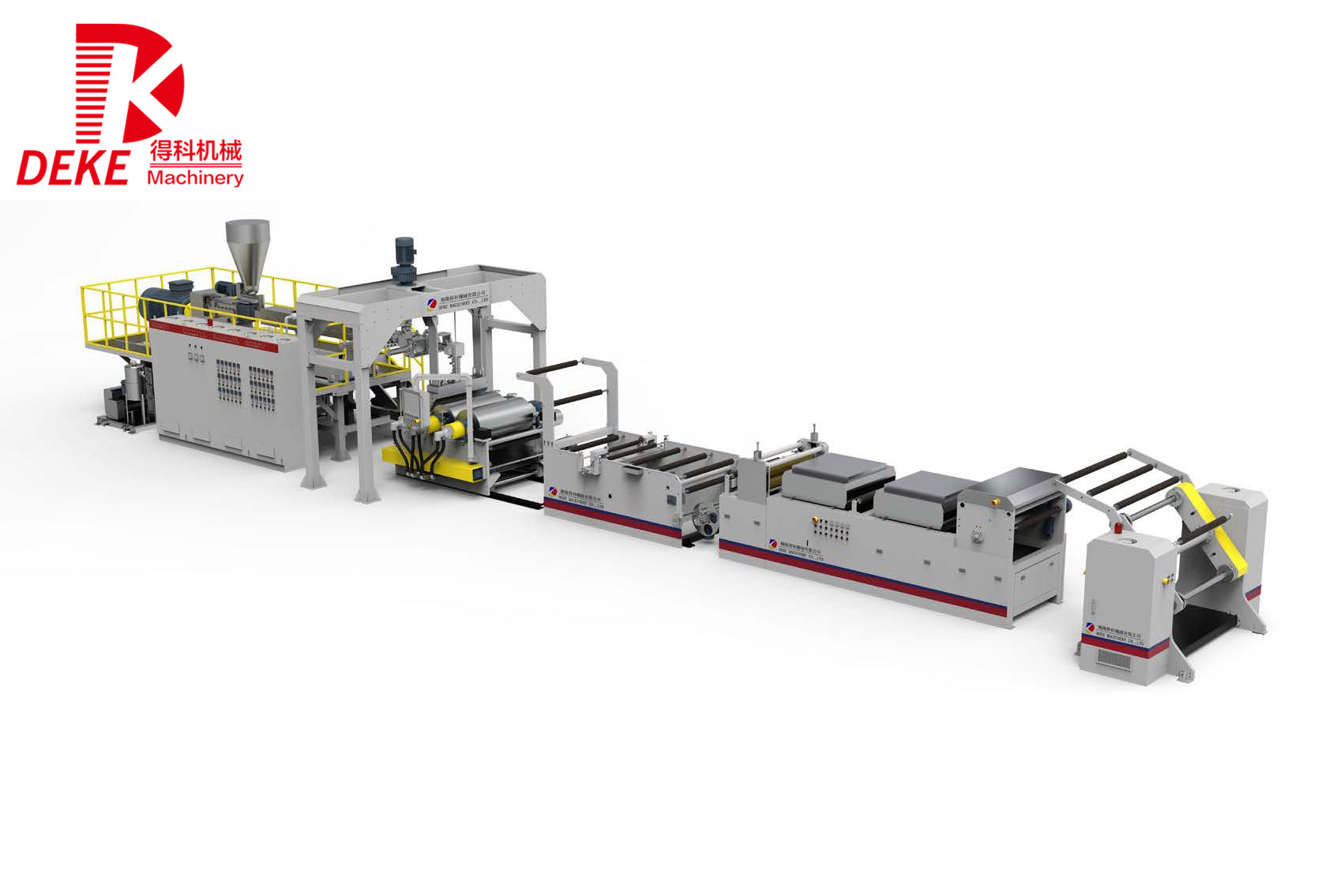
At its core, the PLA sheet extrusion line operates through a process that transforms PLA pellets into continuous sheets. The process begins with feeding PLA pellets into an extrusion machine, where they are heated until they reach a molten state. This molten PLA is then forced through a die, which shapes it into a flat sheet. After exiting the die, the sheets are cooled and solidified, ready for further processing or cutting into desired dimensions.
One of the primary benefits of using a PLA sheet extrusion line is its environmental friendliness. Unlike conventional plastics derived from fossil fuels, PLA is produced from renewable resources, making it a sustainable choice for manufacturers. Moreover, PLA sheets are fully biodegradable under the right composting conditions, contributing to the reduction of plastic waste in landfills and oceans.
In addition to its eco-friendly properties, PLA sheets exhibit excellent clarity and gloss, making them suitable for a variety of applications. They can be used in packaging, signage, and even in the production of disposable items like cutlery and plates. The versatility of PLA sheets ensures that businesses can meet consumer demand for sustainable products without sacrificing quality or performance.
Moreover, the PLA sheet extrusion line is designed for efficiency and adaptability. Manufacturers can adjust parameters such as temperature, pressure, and speed to optimize the extrusion process for different applications. This flexibility allows for the creation of sheets with varying thicknesses, widths, and surface finishes, catering to diverse market needs.
In conclusion, the PLA sheet extrusion line represents a crucial step toward sustainable manufacturing practices in the plastics industry. By utilizing renewable resources and producing biodegradable materials, manufacturers can significantly reduce their environmental footprint while meeting the growing demand for eco-friendly products. As technology advances, we can expect further innovations in PLA processing that will enhance its applications and efficiency, reinforcing its role as a key player in the future of materials science.
Previous Page:
RELATED INFORMATION

Why Choose Conical Twin Screw for Your Next Extrusion Project?
Why Choose Conical Twin Screw for Your Next Extrusion Project? Understanding Extrusion Technology In the realm of **plastic processing**, extrusion is an essential manufacturing technique that transforms raw plastic materials into usable products. The **extrusion process** involves forcing molten plastic through a die to create continuous shapes like sheets, films, and profiles. With advancements
Understanding the Advantages of Counter Rotating Twin Screw Extruders for Plastic Processing
Counter rotating twin screw extruders are pivotal in the plastic processing industry, recognized for their versatility and efficiency. Unlike single screw extruders, twin screw extruders feature two intermeshing screws that rotate in opposite directions. This design allows for enhanced material handling and processing capabilities, making them suitable for a wide array of applications. One of the

Website

Copyright©Jieyang Deke Machinery Co., Ltd.