
Unlocking the Top Benefits of Utilizing PLA Sheet Extrusion Lines in Modern Manufacturing
2025-03
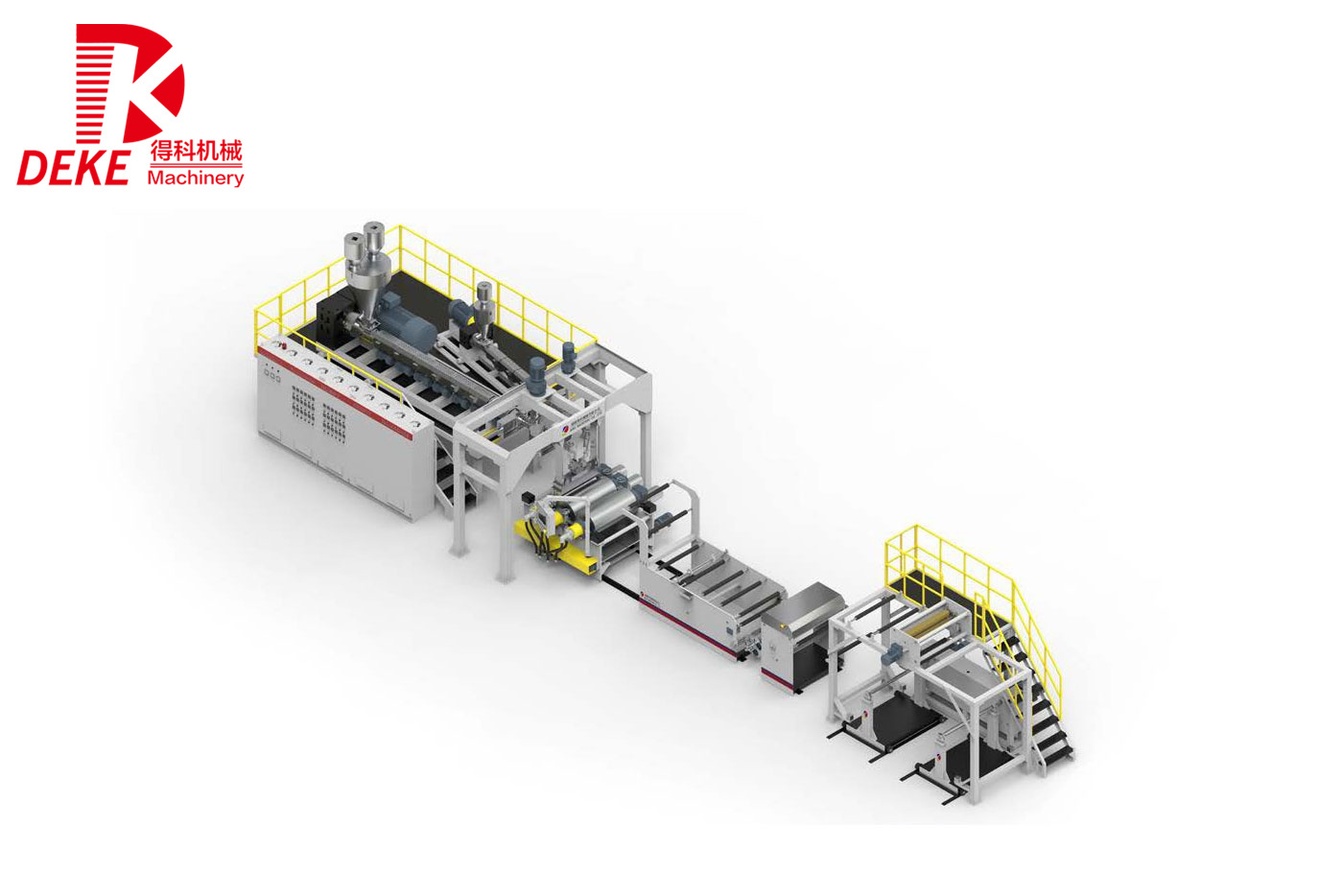
Unlocking the Top Benefits of Utilizing PLA Sheet Extrusion Lines in Modern Manufacturing
Table of Contents
- 1. Introduction to PLA and Its Significance in Manufacturing
- 2. What is PLA (Polylactic Acid)?
- 3. Benefits of Using PLA Sheet Extrusion Lines
- 3.1 Environmental Advantages
- 3.2 Cost-Effectiveness
- 3.3 Superior Product Quality
- 3.4 Versatility in Applications
- 3.5 Processing Efficiency
- 4. Implementing PLA Sheet Extrusion Lines in Your Facility
- 5. Case Studies Demonstrating PLA Success
- 6. The Future of PLA Technology in Manufacturing
- 7. Conclusion
- 8. FAQs on PLA Sheet Extrusion Lines
1. Introduction to PLA and Its Significance in Manufacturing
In recent years, the manufacturing industry has witnessed a remarkable shift towards sustainability and efficiency. Central to this transformation is the adoption of innovative materials and processes, particularly the use of PLA (Polylactic Acid) in extrusion lines for sheet production. This article delves into the **top benefits** of utilizing PLA sheet extrusion lines, highlighting their substantial contributions to manufacturing efficiency, product quality, and environmental sustainability.
2. What is PLA (Polylactic Acid)?
PLA is a biodegradable thermoplastic derived from renewable resources, such as corn starch or sugarcane. It offers a unique combination of **strength, flexibility, and ease of processing**, making it an ideal material for various manufacturing applications. Its biodegradable nature also makes it a popular choice for environmentally conscious companies looking to reduce their carbon footprint.
3. Benefits of Using PLA Sheet Extrusion Lines
Investing in PLA sheet extrusion lines brings about numerous advantages that can significantly enhance manufacturing processes.
3.1 Environmental Advantages
One of the compelling reasons to adopt PLA sheet extrusion lines lies in their **environmental benefits**. Unlike traditional plastic materials that are derived from fossil fuels, PLA is sourced from renewable biomass. The production and disposal of PLA contribute to lower greenhouse gas emissions when compared to petroleum-based plastics. Additionally, PLA is compostable under the right conditions, offering a sustainable end-of-life option that reduces landfill waste.
3.2 Cost-Effectiveness
Despite perceptions that sustainable materials are costly, PLA sheet extrusion lines can be economically advantageous. The **cost of raw PLA material** has decreased significantly in recent years due to advancements in agricultural and manufacturing technologies. Furthermore, the operational costs associated with recycling and waste management are lower, as PLA can often be reprocessed and reused efficiently.
3.3 Superior Product Quality
PLA offers exceptional product attributes, including **high clarity, strength, and minimal odors**, making it an excellent choice for consumer-facing products. The extrusion process allows for precise control over product dimensions and surface finish, ensuring that manufacturers can meet high standards of quality without compromising on performance.
3.4 Versatility in Applications
The versatility of PLA makes it suitable for a wide range of applications. From packaging materials and consumer goods to medical applications, PLA sheet extrusion lines can produce various end products tailored to diverse industry needs. The adaptability of PLA allows manufacturers to innovate and respond swiftly to market trends.
3.5 Processing Efficiency
PLA sheet extrusion lines are designed for **high efficiency and reduced cycle times**. The material can be processed at lower temperatures compared to traditional plastics, leading to energy savings during production. Additionally, the extrusion process allows for continuous production, minimizing downtime and maximizing output.
4. Implementing PLA Sheet Extrusion Lines in Your Facility
Transitioning to PLA sheet extrusion lines requires careful planning and consideration. Manufacturers must evaluate their current production capabilities, identify the necessary equipment, and train staff on the unique properties of PLA. Key factors to consider include:
- **Assessing Equipment Compatibility:** Ensure that existing extrusion machinery can accommodate PLA or consider investing in dedicated equipment designed for optimal PLA processing.
- **Supplier Relationships:** Establish partnerships with reliable suppliers of PLA resin to ensure a consistent and high-quality material supply.
- **Training and Development:** Provide comprehensive training for operators to understand the specific processing parameters and handling requirements of PLA.
5. Case Studies Demonstrating PLA Success
Several companies have successfully integrated PLA sheet extrusion lines into their production processes, showcasing the material's benefits:
- **Company A:** A packaging manufacturer transitioned to PLA for its product lines, achieving a significant reduction in environmental impact and receiving positive feedback from eco-conscious consumers.
- **Company B:** A medical device company adopted PLA sheets for packaging, resulting in enhanced product visibility and compliance with sustainability regulations.
- **Company C:** A consumer goods brand utilized PLA in their product packaging, leading to increased market share due to a strong commitment to sustainability.
These case studies exemplify how businesses can thrive by adopting PLA technology.
6. The Future of PLA Technology in Manufacturing
As demand for sustainable materials continues to grow, the future of PLA technology looks promising. Innovations in biopolymer research and production techniques are expected to enhance the properties of PLA, making it even more competitive with traditional plastics. The ongoing development of PLA formulations will open new avenues for applications across various industries, further solidifying its place in the manufacturing sector.
7. Conclusion
In conclusion, adopting PLA sheet extrusion lines offers numerous benefits that align with the goals of modern manufacturing. From reducing environmental impact to enhancing product quality and processing efficiency, PLA is a game-changer in the industry. As businesses increasingly prioritize sustainability and innovation, investing in PLA technology will not only improve bottom lines but also contribute to a healthier planet.
8. FAQs on PLA Sheet Extrusion Lines
**Q1: What are the main applications of PLA in manufacturing?**
PLA is widely used in packaging, consumer goods, medical applications, and 3D printing.
**Q2: How does PLA compare to traditional plastics in terms of cost?**
While PLA was once more expensive, advancements in production have made it competitive with traditional plastics.
**Q3: Is PLA suitable for outdoor applications?**
PLA may not be ideal for long-term outdoor use due to its sensitivity to heat and humidity, but it is excellent for indoor applications.
**Q4: Can PLA be recycled?**
PLA can be recycled in specialized facilities, and its compostable nature provides an alternative disposal option.
**Q5: How does the production process of PLA impact its environmental benefits?**
The production process of PLA from renewable resources significantly reduces greenhouse gas emissions compared to fossil fuel-derived plastics.
By understanding these benefits and considerations, manufacturers can make informed decisions about integrating PLA sheet extrusion lines into their operations, positioning themselves for success in an increasingly competitive landscape.
RELATED INFORMATION

Why Choose Conical Twin Screw for Your Next Extrusion Project?
Why Choose Conical Twin Screw for Your Next Extrusion Project? Understanding Extrusion Technology In the realm of **plastic processing**, extrusion is an essential manufacturing technique that transforms raw plastic materials into usable products. The **extrusion process** involves forcing molten plastic through a die to create continuous shapes like sheets, films, and profiles. With advancements
Understanding the Advantages of Counter Rotating Twin Screw Extruders for Plastic Processing
Counter rotating twin screw extruders are pivotal in the plastic processing industry, recognized for their versatility and efficiency. Unlike single screw extruders, twin screw extruders feature two intermeshing screws that rotate in opposite directions. This design allows for enhanced material handling and processing capabilities, making them suitable for a wide array of applications. One of the

Website

Copyright©Jieyang Deke Machinery Co., Ltd.