
Understanding the PLA Sheet Extrusion Line: A Comprehensive Overview
2025-03
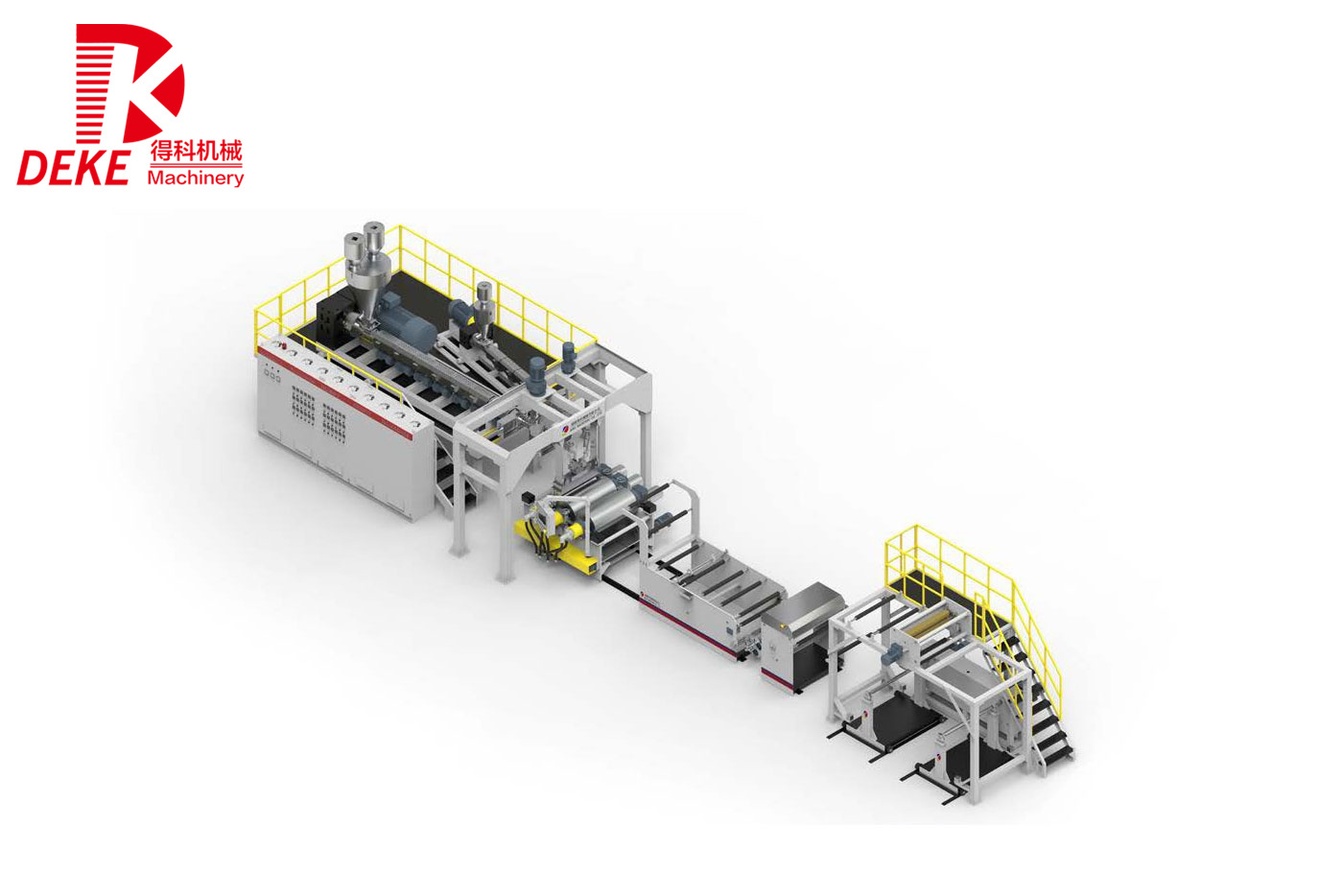
At its core, a PLA sheet extrusion line comprises several key components: the extruder, die, cooling system, and winding or cutting machinery. The extruder melts the PLA pellets and forces the molten material through a specially designed die, which shapes it into a flat sheet. The cooling system then solidifies the sheet as it exits the die, ensuring the final product maintains its desired thickness and properties. The winding or cutting machinery allows for the collection of finished sheets in various formats, ready for further processing or packaging.
One of the primary benefits of utilizing a PLA sheet extrusion line is its contribution to sustainability. The use of PLA not only reduces reliance on fossil fuels but also minimizes carbon emissions associated with plastic production. As industries and consumers increasingly prioritize eco-friendly materials, the demand for PLA sheets is on the rise, making this technology a valuable asset for manufacturers looking to innovate and stay competitive in the market.
Moreover, PLA sheets exhibit excellent versatility in applications. They are used in a wide range of products, including food packaging, disposable cutlery, and various consumer goods. This adaptability highlights the importance of having a robust PLA sheet extrusion line capable of meeting diverse production needs.
In terms of operational efficiency, modern PLA sheet extrusion lines are equipped with advanced control systems that optimize processing parameters. This ensures consistent product quality while reducing energy consumption and waste. By investing in state-of-the-art extrusion technology, manufacturers can achieve higher output rates and lower operational costs, leading to improved overall profitability.
In conclusion, a PLA sheet extrusion line is a critical investment for any manufacturer looking to produce eco-friendly plastic sheets. By understanding its components, functionalities, and advantages, companies can leverage this technology to enhance their production capabilities while contributing to sustainability efforts in the industry. As the market for biodegradable materials continues to expand, the importance of efficient and innovative production methods will only grow, making the PLA sheet extrusion line a cornerstone of modern plastic manufacturing.
Previous Page:
RELATED INFORMATION

Why Choose Conical Twin Screw for Your Next Extrusion Project?
Why Choose Conical Twin Screw for Your Next Extrusion Project? Understanding Extrusion Technology In the realm of **plastic processing**, extrusion is an essential manufacturing technique that transforms raw plastic materials into usable products. The **extrusion process** involves forcing molten plastic through a die to create continuous shapes like sheets, films, and profiles. With advancements
Understanding the Advantages of Counter Rotating Twin Screw Extruders for Plastic Processing
Counter rotating twin screw extruders are pivotal in the plastic processing industry, recognized for their versatility and efficiency. Unlike single screw extruders, twin screw extruders feature two intermeshing screws that rotate in opposite directions. This design allows for enhanced material handling and processing capabilities, making them suitable for a wide array of applications. One of the

Website

Copyright©Jieyang Deke Machinery Co., Ltd.