
Unlocking Efficiency: How HIPS Sheet Co-Extruders Revolutionize Plastic Manufacturing
2025-03
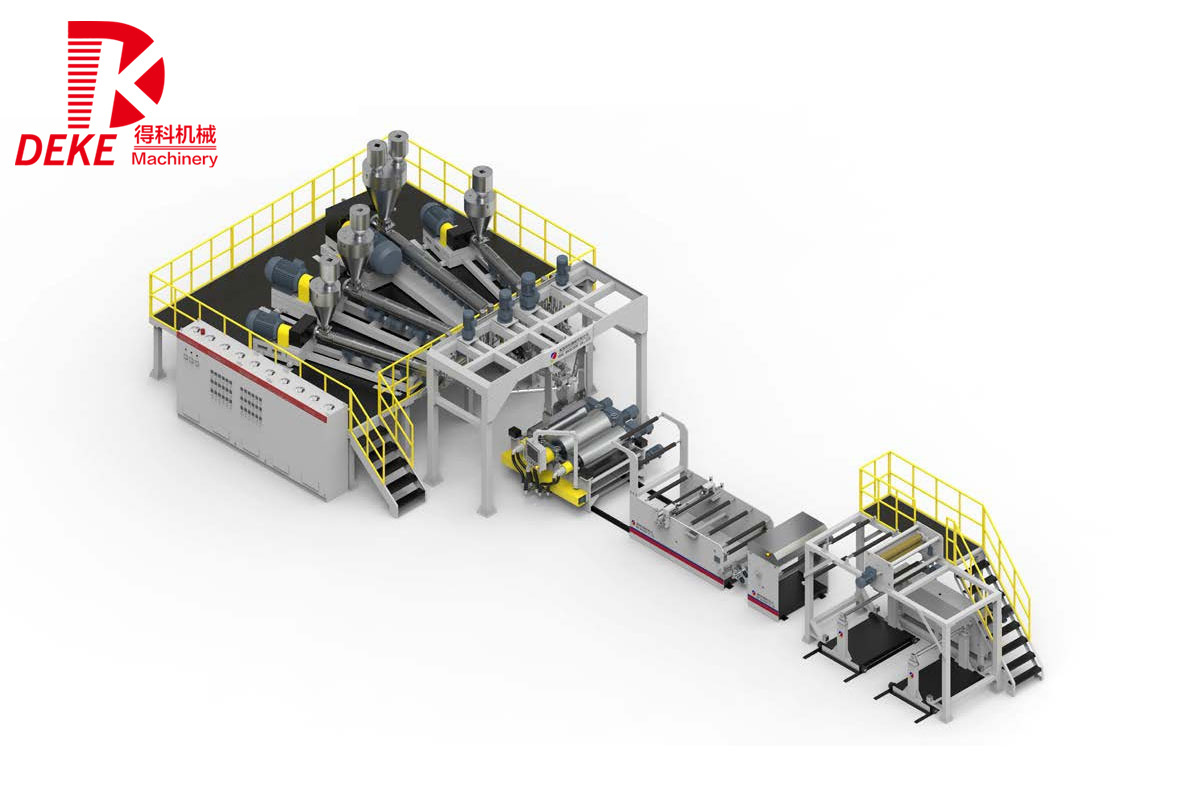
Unlocking Efficiency: How HIPS Sheet Co-Extruders Revolutionize Plastic Manufacturing
Table of Contents
1. Introduction to HIPS Sheets and Co-Extrusion Technology
2. Understanding the Basics of HIPS in Plastic Manufacturing
3. The Role of Co-Extruders in HIPS Sheet Production
4. Key Advantages of HIPS Sheet Co-Extruders
4.1 Enhanced Material Properties
4.2 Energy Efficiency
4.3 Cost-Effectiveness
5. Applications of HIPS Sheets in Various Industries
5.1 Packaging Solutions
5.2 Automotive Components
5.3 Consumer Goods Manufacturing
6. Future Trends in HIPS Sheet Co-Extrusion Technology
7. Frequently Asked Questions (FAQs)
8. Conclusion
1. Introduction to HIPS Sheets and Co-Extrusion Technology
In the realm of **plastic manufacturing**, innovation drives progress. One of the significant advancements is the use of **HIPS (High-Impact Polystyrene)** sheet co-extruders. These machines play a crucial role in enhancing production efficiency and product quality. Understanding how HIPS sheets are produced through co-extrusion technology is essential for manufacturers aiming to stay competitive in an ever-evolving industry.
2. Understanding the Basics of HIPS in Plastic Manufacturing
HIPS sheets are renowned for their exceptional impact resistance, making them a favored choice across various applications. The properties of HIPS allow it to be easily processed and molded, offering versatility in manufacturing. In essence, HIPS is a copolymer made from polystyrene and rubber, which provides both rigidity and durability. Its applications range from packaging materials to automotive parts, demonstrating its widespread utility.
3. The Role of Co-Extruders in HIPS Sheet Production
**Co-extrusion technology** involves the simultaneous extrusion of two or more materials through a single die, resulting in a multi-layered product. In the context of HIPS sheet production, co-extruders allow manufacturers to combine different polymer grades, enhancing the mechanical properties of the final product. This technology enables the creation of HIPS sheets with tailored properties, catering to specific industry requirements.
Utilizing co-extruders not only streamlines manufacturing processes but also improves product consistency. The ability to control the thickness and composition of each layer ensures uniformity and quality, which is vital for applications demanding strict performance standards.
4. Key Advantages of HIPS Sheet Co-Extruders
HIPS sheet co-extruders offer a multitude of advantages that can significantly enhance plastic manufacturing processes.
4.1 Enhanced Material Properties
One of the primary benefits of using co-extruders is the ability to enhance material properties. By combining different types of polymers, manufacturers can achieve superior characteristics such as increased strength, flexibility, and resistance to environmental factors. This results in HIPS sheets that are not only durable but also adaptable to various applications.
4.2 Energy Efficiency
Co-extrusion technology contributes to energy efficiency in plastic manufacturing. By producing multiple layers in a single pass, manufacturers reduce energy consumption compared to traditional extrusion methods that require separate processes for each layer. This streamlined approach not only conserves energy but also minimizes material waste, contributing to more sustainable manufacturing practices.
4.3 Cost-Effectiveness
In an industry where profit margins are often tight, the cost-effectiveness of HIPS sheet co-extruders cannot be overstated. By optimizing the production process, manufacturers can lower material costs and reduce operational expenses. The ability to produce high-quality sheets with enhanced properties in a single step significantly improves the overall efficiency of the manufacturing process.
5. Applications of HIPS Sheets in Various Industries
The versatility of HIPS sheets makes them applicable across numerous sectors. Understanding where these sheets are used can help manufacturers identify new opportunities for growth.
5.1 Packaging Solutions
HIPS sheets are widely utilized in the packaging industry due to their excellent impact resistance and aesthetic appeal. They are commonly used for packaging food products, electronics, and consumer goods, providing protection while being visually attractive. The ability to customize HIPS sheets enables brands to create unique packaging solutions that enhance product visibility and appeal.
5.2 Automotive Components
In the automotive sector, HIPS sheets are employed in various components, including dashboards, interior trim, and exterior panels. Their lightweight nature and resilience make them ideal for automotive applications, contributing to fuel efficiency and overall vehicle performance. As the automotive industry increasingly focuses on sustainability, the use of HIPS sheets aligns with these environmental goals.
5.3 Consumer Goods Manufacturing
Consumer goods manufacturers leverage HIPS sheets for products ranging from toys to household items. The durability and safety of HIPS make it an ideal choice for items that require regular handling. Additionally, the ability to produce colorful and aesthetically pleasing HIPS sheets allows manufacturers to meet consumer preferences effectively.
6. Future Trends in HIPS Sheet Co-Extrusion Technology
As technology advances, the future of HIPS sheet co-extrusion looks promising. Innovations in polymer formulations and extrusion techniques are expected to enhance the capabilities of co-extruders, allowing for even more customized and high-performance HIPS sheets. Moreover, the increasing emphasis on sustainable practices will drive research into bio-based materials and recycling technologies, further transforming the plastic manufacturing landscape.
7. Frequently Asked Questions (FAQs)
**Q1: What is the primary advantage of co-extrusion in HIPS sheet production?**
A1: Co-extrusion allows for the simultaneous production of multi-layered HIPS sheets, enhancing material properties and improving efficiency.
**Q2: How does HIPS compare to other plastics in terms of durability?**
A2: HIPS offers excellent impact resistance and durability, making it a superior choice compared to many other plastics.
**Q3: Can HIPS sheets be recycled?**
A3: Yes, HIPS sheets can be recycled, contributing to more sustainable manufacturing practices.
**Q4: What industries primarily utilize HIPS sheets?**
A4: HIPS sheets are used in packaging, automotive, consumer goods, and various other sectors.
**Q5: How does co-extrusion technology impact production costs?**
A5: Co-extrusion technology reduces production costs by optimizing processes, minimizing waste, and enhancing material efficiency.
8. Conclusion
The advent of **HIPS sheet co-extruders** has undeniably transformed the plastic manufacturing industry. By enhancing efficiency, reducing costs, and improving material properties, co-extrusion technology positions manufacturers to meet the growing demand for high-quality plastic products. As we look to the future, the continued innovation in co-extrusion and HIPS materials will pave the way for sustainable and efficient manufacturing practices, ensuring that the industry thrives in an increasingly competitive market. Embracing these advancements will enable manufacturers to not only meet but exceed the expectations of their customers while fostering a more sustainable approach to plastic production.
RELATED INFORMATION

Why Choose Conical Twin Screw for Your Next Extrusion Project?
Why Choose Conical Twin Screw for Your Next Extrusion Project? Understanding Extrusion Technology In the realm of **plastic processing**, extrusion is an essential manufacturing technique that transforms raw plastic materials into usable products. The **extrusion process** involves forcing molten plastic through a die to create continuous shapes like sheets, films, and profiles. With advancements
Understanding the Advantages of Counter Rotating Twin Screw Extruders for Plastic Processing
Counter rotating twin screw extruders are pivotal in the plastic processing industry, recognized for their versatility and efficiency. Unlike single screw extruders, twin screw extruders feature two intermeshing screws that rotate in opposite directions. This design allows for enhanced material handling and processing capabilities, making them suitable for a wide array of applications. One of the

Website

Copyright©Jieyang Deke Machinery Co., Ltd.