
Understanding the Functionality and Benefits of PP HIPS Sheet Extruders in Plastic Processing
2025-03
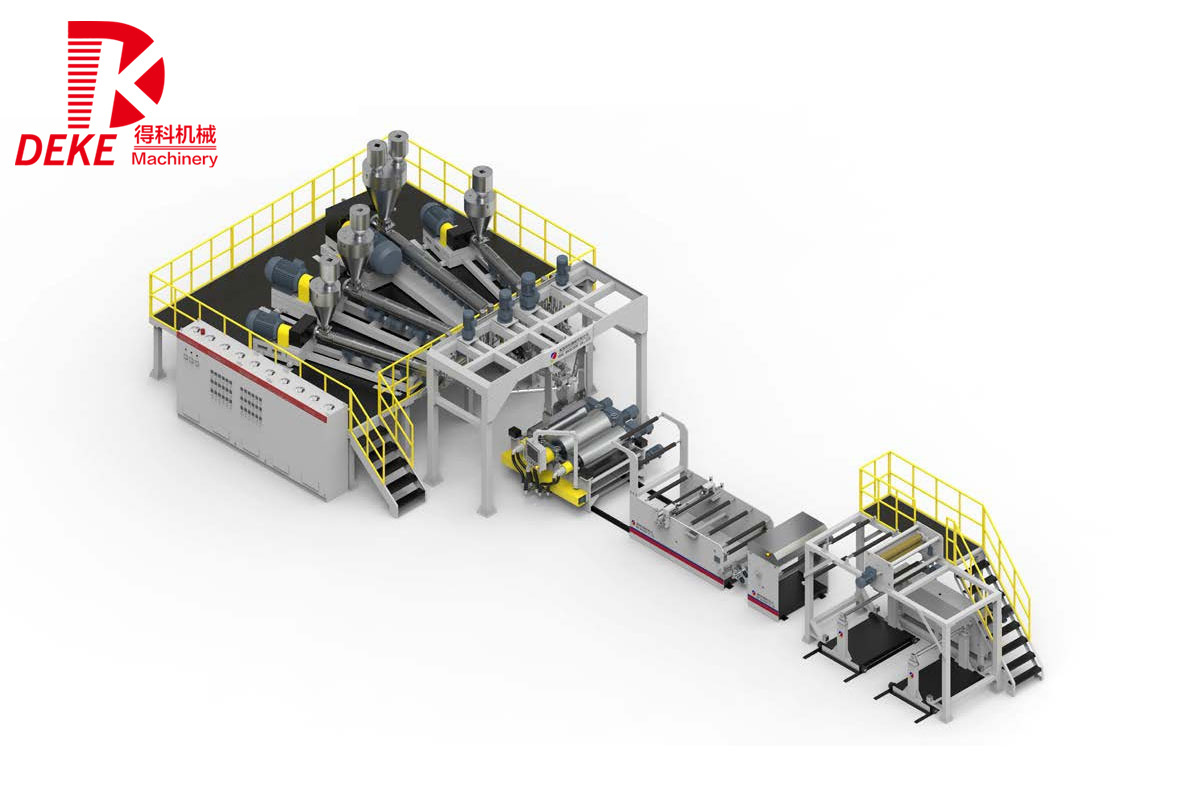
At the core of the PP HIPS Sheet Extruder is a screw system that melts and homogenizes the raw material before it is shaped into a continuous sheet. The design of the extruder allows for precise temperature control, which is critical for maintaining the integrity of the thermoplastic materials. An optimal temperature range ensures that both PP and HIPS achieve the desired fluidity without degrading, allowing for uniform sheet thickness and high-quality output.
One of the key advantages of using a PP HIPS Sheet Extruder is its versatility. The machine can be adjusted to process different polymer blends and thicknesses, making it suitable for a wide range of applications including packaging, automotive parts, and consumer goods. As industries continue to innovate, the ability to adapt and produce various sheet specifications becomes increasingly valuable.
Moreover, the efficiency of the PP HIPS Sheet Extruder contributes to reduced production costs. The continuous operation of the extruder minimizes downtime, and the high throughput rate allows manufacturers to meet demand without compromising on quality. Furthermore, advancements in technology have led to the incorporation of automation and monitoring systems in modern extruders, enhancing both productivity and quality control.
In addition to its operational benefits, the use of PP and HIPS sheets produced by these extruders aligns with the growing demand for sustainable and recyclable materials. PP and HIPS are both recyclable, which supports environmental sustainability initiatives while also appealing to eco-conscious consumers. This aspect not only contributes to a company's green credentials but can also lead to increased market competitiveness.
In summary, the PP HIPS Sheet Extruder is a vital component in the plastic processing machinery landscape. By enabling the efficient production of high-quality sheets, it supports various industries and promotes sustainable practices. Understanding its functionality and advantages is crucial for manufacturers looking to enhance their production capabilities and meet evolving market needs. Investing in advanced extruder technology is a strategic move towards achieving operational excellence in the plastic processing sector.
RELATED INFORMATION

Why Choose Conical Twin Screw for Your Next Extrusion Project?
Why Choose Conical Twin Screw for Your Next Extrusion Project? Understanding Extrusion Technology In the realm of **plastic processing**, extrusion is an essential manufacturing technique that transforms raw plastic materials into usable products. The **extrusion process** involves forcing molten plastic through a die to create continuous shapes like sheets, films, and profiles. With advancements
Understanding the Advantages of Counter Rotating Twin Screw Extruders for Plastic Processing
Counter rotating twin screw extruders are pivotal in the plastic processing industry, recognized for their versatility and efficiency. Unlike single screw extruders, twin screw extruders feature two intermeshing screws that rotate in opposite directions. This design allows for enhanced material handling and processing capabilities, making them suitable for a wide array of applications. One of the

Website

Copyright©Jieyang Deke Machinery Co., Ltd.