
Why Choose a PP HIPS Sheet Extruder for Your Plastic Processing Needs?
2025-03
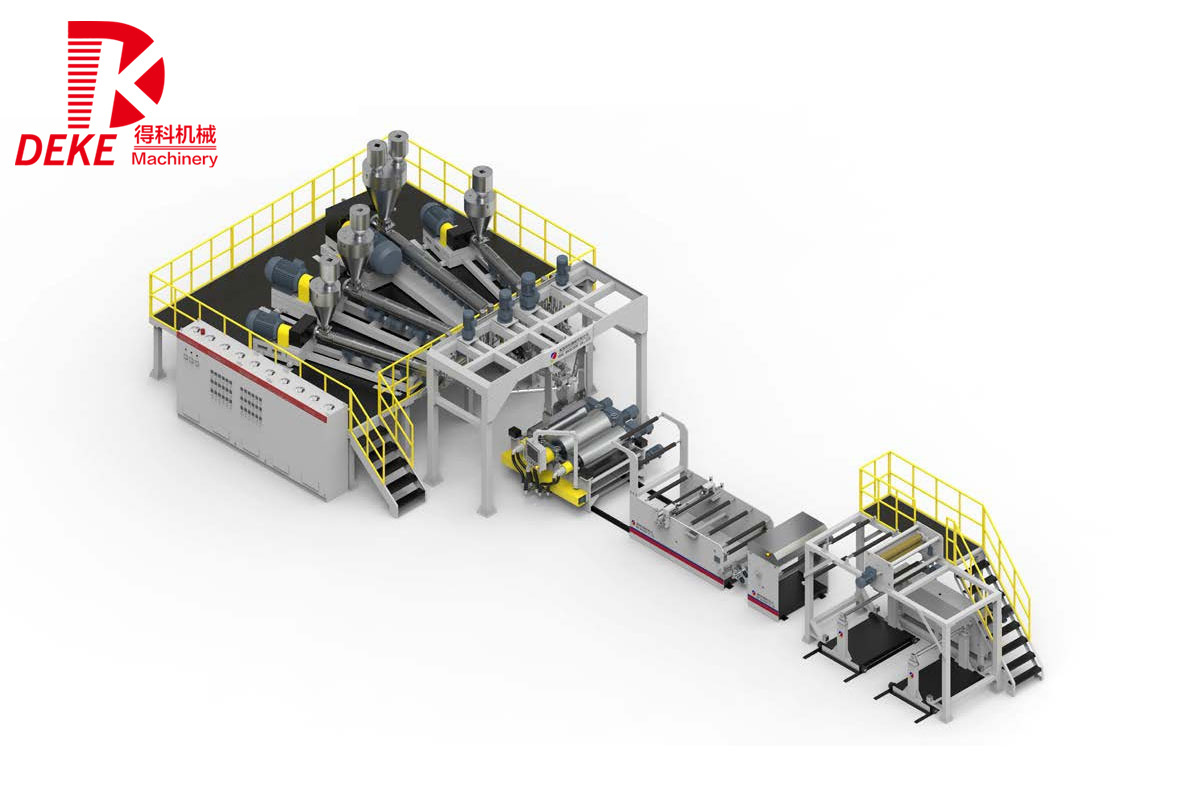
Why Choose a PP HIPS Sheet Extruder for Your Plastic Processing Needs?
Table of Contents
- 1. Introduction to PP HIPS Sheet Extruders
- 2. Key Benefits of Using PP HIPS Sheet Extruders
- 3. Applications of PP HIPS Sheets in Industries
- 4. Technical Specifications of PP HIPS Sheet Extruders
- 5. Cost-Effectiveness of PP HIPS Sheet Extruders
- 6. Comparing PP HIPS Sheet Extruders with Other Options
- 7. Maintenance Tips for PP HIPS Sheet Extruders
- 8. Frequently Asked Questions (FAQs)
- 9. Conclusion
1. Introduction to PP HIPS Sheet Extruders
In the rapidly evolving world of plastic manufacturing, choosing the right machinery is critical for achieving high-quality output. The **PP HIPS sheet extruder** has emerged as a popular choice, thanks to its unique properties and versatility. Polypropylene (PP) and High Impact Polystyrene (HIPS) are two types of thermoplastic materials that, when combined, offer exceptional strength and durability. This article delves into why investing in a PP HIPS sheet extruder can significantly enhance your plastic processing capabilities.
2. Key Benefits of Using PP HIPS Sheet Extruders
2.1 Versatility in Production
The **PP HIPS sheet extruder** allows manufacturers to produce sheets in various thicknesses and widths, catering to different applications. From packaging to automotive parts, the flexibility of this machinery enables businesses to diversify their product offerings.
2.2 Enhanced Mechanical Properties
One of the standout features of **PP HIPS sheets** is their excellent mechanical properties, such as tensile strength and impact resistance. This makes them ideal for applications requiring durable materials that can withstand environmental stressors.
2.3 Cost Efficiency
Investing in a **PP HIPS sheet extruder** can lead to significant cost savings. The efficiency of the extrusion process minimizes waste, reduces energy consumption, and optimizes production time, ultimately enhancing profit margins.
2.4 Eco-Friendly Production
With growing environmental concerns, utilizing PP and HIPS materials can be a more sustainable choice. Both materials are recyclable, contributing to a circular economy and helping businesses meet sustainability goals.
3. Applications of PP HIPS Sheets in Industries
PP HIPS sheets have a plethora of applications across various industries. Understanding these applications can guide businesses in making informed decisions when it comes to machinery investment.
3.1 Packaging Industry
In the packaging sector, **PP HIPS sheets** are widely used for creating food containers, clamshells, and other packaging solutions that require durability and aesthetic appeal. Their lightweight nature also contributes to reduced shipping costs.
3.2 Automotive Industry
The automotive industry benefits significantly from the use of PP HIPS sheets in interior design components, dashboards, and trim pieces. The impact resistance and design flexibility of these materials make them an ideal choice for manufacturers.
3.3 Electronics
In electronics, **PP HIPS sheets** serve as protective casings and internal components due to their strength and electrical insulation properties. They help ensure product longevity and reliability.
3.4 Construction and Signage
The construction sector utilizes PP HIPS sheets for signage and various building applications. Their weather resistance and aesthetic qualities make them suitable for both indoor and outdoor usage.
4. Technical Specifications of PP HIPS Sheet Extruders
Understanding the technical specifications of **PP HIPS sheet extruders** helps manufacturers select the right equipment for their needs.
4.1 Extrusion Process
The extrusion process involves melting the plastic pellets and forcing them through a die to create sheets of specific shapes and sizes. Key parameters include temperature control, screw design, and die configuration.
4.2 Output Capacity
Modern **PP HIPS sheet extruders** can achieve high output capacities, ranging from several kilograms to tons per hour, depending on the model. This allows for large-scale production without compromising quality.
4.3 Energy Consumption
Efficiency is a critical factor in machine selection. Many manufacturers focus on energy-efficient designs that reduce operational costs while maintaining high productivity levels.
5. Cost-Effectiveness of PP HIPS Sheet Extruders
When it comes to production machinery, cost-effectiveness extends beyond initial investment.
5.1 Reduced Material Waste
The precise control during the extrusion process minimizes material waste, enabling manufacturers to maximize raw material utilization. This directly impacts the bottom line, making **PP HIPS sheet extruders** a smart financial choice.
5.2 Long-Term Durability
Investing in a high-quality **PP HIPS sheet extruder** reduces the need for frequent replacements or repairs. This long-term durability leads to lower overall expenditure on machinery over time.
5.3 Labor Savings
Advanced automated features in modern extruders can result in fewer labor requirements, allowing businesses to allocate their human resources more efficiently.
6. Comparing PP HIPS Sheet Extruders with Other Options
To understand the advantages of **PP HIPS sheet extruders**, it's essential to compare them with other types of extruders available in the market.
6.1 PP vs. ABS Extruders
While both materials offer durability, **PP HIPS** provides better impact resistance than Acrylonitrile Butadiene Styrene (ABS), making it preferable for applications requiring higher strength.
6.2 Cost Comparison
PP HIPS extruders typically have lower operating costs due to their efficient energy consumption and reduced waste, making them a more cost-effective option compared to other extruder types.
7. Maintenance Tips for PP HIPS Sheet Extruders
Like any machinery, proper maintenance is crucial for ensuring the longevity and efficiency of **PP HIPS sheet extruders**.
7.1 Regular Inspection
Conducting regular inspections can help identify potential issues before they escalate. Look for wear and tear on components, and check for any unusual sounds or vibrations.
7.2 Cleaning Procedures
Regular cleaning of the die and screw elements prevents material build-up, ensuring consistent production quality. Follow the manufacturer’s guidelines for cleaning intervals and techniques.
7.3 Lubrication
Adequate lubrication of moving parts helps reduce friction and wear, enhancing operational efficiency. Use the recommended lubricants and maintain a regular lubrication schedule.
8. Frequently Asked Questions (FAQs)
8.1 What materials can be processed with a PP HIPS sheet extruder?
A PP HIPS sheet extruder primarily processes polypropylene and high-impact polystyrene materials, but can also accommodate other compatible thermoplastics.
8.2 How does the extrusion process work?
The extrusion process involves heating plastic pellets until they melt and forcing them through a die to form continuous sheets of desired thickness and width.
8.3 What is the typical output capacity of a PP HIPS sheet extruder?
Output capacity varies by model, but many modern PP HIPS sheet extruders can achieve output rates from hundreds to several thousand kilograms per hour.
8.4 Are PP HIPS sheets recyclable?
Yes, PP HIPS sheets are recyclable, making them an environmentally friendly option for manufacturers looking to reduce their carbon footprint.
8.5 What are the common issues faced during the extrusion process?
Common issues include material jams, inconsistent sheet thickness, and overheating, which can often be prevented with regular maintenance and proper operational practices.
9. Conclusion
Selecting the right machinery is crucial for any manufacturing operation, especially in the competitive field of plastic processing. The **PP HIPS sheet extruder** stands out for its versatility, efficiency, and cost-effectiveness. By providing superior mechanical properties, this extruder caters to various industrial applications, from packaging to automotive components. Additionally, its eco-friendly nature aligns with modern sustainability goals, making it a responsible choice for businesses.
Investing in a **PP HIPS sheet extruder** not only enhances your production capabilities but also positions your company as a leader in innovative and sustainable manufacturing practices. As you explore the vast possibilities within the realm of plastic processing, consider the PP HIPS sheet extruder as a reliable partner for your operational success.
Previous Page:
RELATED INFORMATION

Why Choose Conical Twin Screw for Your Next Extrusion Project?
Why Choose Conical Twin Screw for Your Next Extrusion Project? Understanding Extrusion Technology In the realm of **plastic processing**, extrusion is an essential manufacturing technique that transforms raw plastic materials into usable products. The **extrusion process** involves forcing molten plastic through a die to create continuous shapes like sheets, films, and profiles. With advancements
Understanding the Advantages of Counter Rotating Twin Screw Extruders for Plastic Processing
Counter rotating twin screw extruders are pivotal in the plastic processing industry, recognized for their versatility and efficiency. Unlike single screw extruders, twin screw extruders feature two intermeshing screws that rotate in opposite directions. This design allows for enhanced material handling and processing capabilities, making them suitable for a wide array of applications. One of the

Website

Copyright©Jieyang Deke Machinery Co., Ltd.