
Maximizing Efficiency with Twin Screw Extruders in Plastic Processing
2025-03
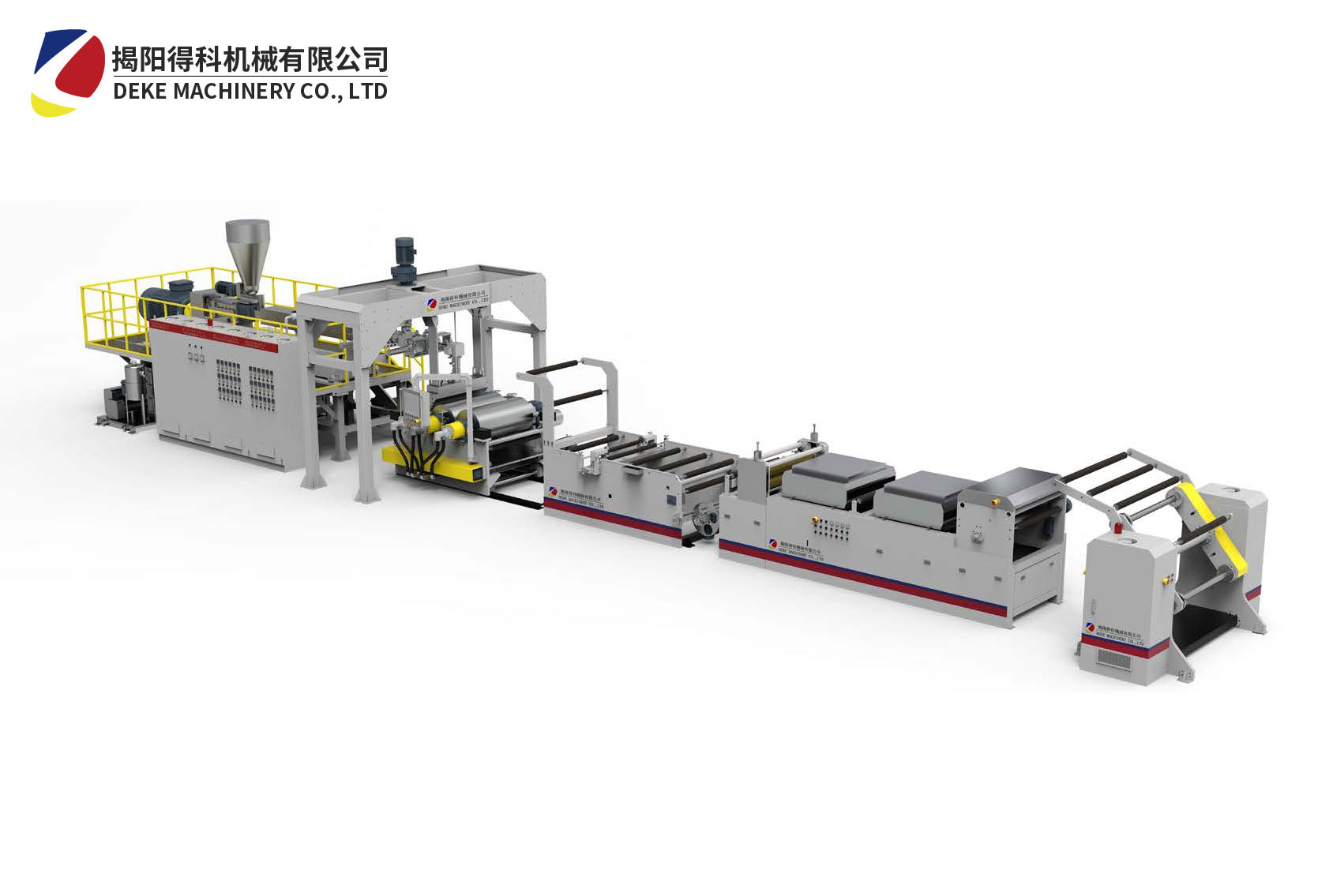
Maximizing Efficiency with Twin Screw Extruders in Plastic Processing
Table of Contents
- 1. Introduction to Twin Screw Extruders
- 2. Understanding Twin Screw Extruders
- 3. Advantages of Twin Screw Extruders in Plastic Processing
- 4. Applications of Twin Screw Extruders
- 5. Optimizing Production Efficiency with Twin Screw Extruders
- 6. Troubleshooting Common Issues in Twin Screw Extrusion
- 7. The Future of Twin Screw Extruders in Plastic Processing
- 8. Conclusion
- 9. FAQs
1. Introduction to Twin Screw Extruders
In the world of **plastic processing**, twin screw extruders have emerged as a cornerstone technology, revolutionizing how materials are compounded and molded. These machines are known for their **high efficiency**, flexibility, and ability to process a variety of materials simultaneously. As industries continue to demand more from their manufacturing processes, understanding how to maximize efficiency with twin screw extruders becomes essential for businesses aiming to enhance productivity and reduce costs.
2. Understanding Twin Screw Extruders
Twin screw extruders consist of two intermeshing screws that rotate within a barrel. The design allows for the **homogeneous mixing, melting**, and extruding of plastic materials. These machines are equipped with various features, such as **temperature control**, **pressure monitoring**, and **vacuum venting**, which enhance their performance.
2.1 How Twin Screw Extruders Work
The operation of twin screw extruders can be broken down into several key stages:
1. **Feeding**: Raw materials enter the extruder through a hopper and are fed into the screw channels.
2. **Melting**: The rotation of the screws generates heat, which melts the plastic.
3. **Mixing**: As the material moves along the barrel, the intermeshing screws provide excellent mixing, ensuring uniformity.
4. **Extruding**: The melted material is pushed through a die, forming the desired shape.
2.2 Types of Twin Screw Extruders
There are two primary types of twin screw extruders:
- **Counter-Rotating**: Both screws rotate in opposite directions. This design provides excellent material conveying but may not be the best for mixing.
- **Co-Rotating**: The screws rotate in the same direction. This configuration enhances mixing efficiency and is often preferred for compounding applications.
3. Advantages of Twin Screw Extruders in Plastic Processing
Utilizing twin screw extruders in plastic processing offers numerous advantages:
3.1 Enhanced Mixing and Homogenization
One of the primary benefits of twin screw extruders is their ability to achieve thorough mixing and homogenization of materials. The intermeshing screws create a high shear environment, which results in a consistent end product.
3.2 Greater Control Over Material Properties
The design of twin screw extruders allows operators to fine-tune parameters such as temperature, pressure, and residence time. This level of control is critical for achieving specific material properties, such as viscosity and molecular weight.
3.3 Increased Production Flexibility
Twin screw extruders are versatile machines that can process a wide range of materials, including thermoplastics, thermosets, and bio-based materials. This flexibility makes them suitable for various applications, from manufacturing pellets to producing complex polymer blends.
3.4 Reduced Energy Consumption
With advancements in technology, modern twin screw extruders are designed to operate more efficiently, often consuming less energy than traditional single screw extruders. This reduction in energy use translates to lower operating costs and a more sustainable manufacturing process.
4. Applications of Twin Screw Extruders
The applications of twin screw extruders are vast and varied. Some of the most common uses include:
4.1 Compounding
In compounding processes, twin screw extruders are used to mix additives, fillers, and colorants with base resins. This process ensures that the final product possesses the desired properties and functionalities.
4.2 Recycling
Twin screw extruders play a crucial role in recycling plastic materials. They facilitate the processing of post-consumer waste by effectively melting and reforming it into usable pellets.
4.3 Film and Sheet Extrusion
Twin screw extruders are ideal for producing films and sheets due to their ability to handle various materials and achieve consistent thickness across the width of the product.
4.4 Masterbatch Production
Masterbatches are concentrated mixtures of pigments and additives that are used to color plastics. Twin screw extruders ensure thorough blending, resulting in uniform color distribution in the final product.
5. Optimizing Production Efficiency with Twin Screw Extruders
To maximize efficiency in production, it is essential to implement best practices when operating twin screw extruders.
5.1 Regular Maintenance and Calibration
Routine maintenance and calibration of the extruder are vital to ensure optimal performance. Regular checks on wear parts, temperature sensors, and screw configuration can prevent downtime and enhance productivity.
5.2 Material Selection
Choosing the right materials is crucial for achieving the best results. Each material may require different processing conditions, so understanding their properties can lead to better outcomes.
5.3 Process Monitoring and Control
Implementing advanced process monitoring systems allows for real-time tracking of key parameters. This data can be used to make immediate adjustments, ensuring consistent quality and reducing scrap rates.
5.4 Training Operators
Investing in operator training is essential for maximizing the efficiency of twin screw extruders. Well-trained operators can identify issues quickly and optimize settings for various materials.
6. Troubleshooting Common Issues in Twin Screw Extrusion
Despite their advantages, twin screw extruders can encounter challenges. Here are some common issues and how to address them:
6.1 Material Degradation
If the material degrades during processing, it may be due to excessive heat or residence time. Adjusting the temperature settings and reducing the feed rate can help mitigate this issue.
6.2 Inconsistent Output Quality
Inconsistent quality may stem from improper mixing or variations in material properties. Ensuring uniform feeding and regular calibration of equipment can improve output consistency.
6.3 Mechanical Failures
Mechanical failures can interrupt production. Regular maintenance and timely replacement of worn parts can help prevent unexpected breakdowns.
7. The Future of Twin Screw Extruders in Plastic Processing
As technology evolves, so will the capabilities of twin screw extruders. Future trends may include:
7.1 Smart Extrusion Technology
The integration of **IoT** technologies and machine learning could lead to smarter extrusion processes that automatically adjust parameters for optimal performance.
7.2 Sustainable Processing Solutions
With increasing demand for sustainability, twin screw extruders will likely evolve to handle more bio-based and recycled materials, supporting a circular economy in plastics.
7.3 Advanced Materials Processing
Emerging materials, such as nanocomposites and smart polymers, will require advanced processing techniques. Twin screw extruders will play a key role in developing and manufacturing these innovative materials.
8. Conclusion
Maximizing efficiency with twin screw extruders is essential for staying competitive in the plastic processing industry. By understanding their operation, advantages, and best practices, manufacturers can enhance production efficiency, reduce costs, and improve product quality. As the industry continues to evolve, embracing innovative technologies and sustainable practices will pave the way for future success. Investing in twin screw extruders not only optimizes your operations but also positions your business for long-term growth in a rapidly changing market.
9. FAQs
9.1 What is the primary advantage of twin screw extruders over single screw extruders?
The primary advantage is their superior mixing capability and better control over material properties, making them ideal for complex formulations.
9.2 Can twin screw extruders process recycled materials?
Yes, twin screw extruders are particularly well-suited for recycling as they can effectively melt and reform post-consumer plastics.
9.3 What types of materials can be processed with twin screw extruders?
They can process a wide range of materials, including thermoplastics, thermosets, and bio-based materials.
9.4 How can I ensure the longevity of my twin screw extruder?
Regular maintenance, timely calibration, and operator training are crucial for extending the lifespan of your equipment.
9.5 What are some common issues faced during twin screw extrusion?
Common issues include material degradation, inconsistent output quality, and mechanical failures. Regular maintenance and monitoring can help mitigate these challenges.
RELATED INFORMATION

Why Choose Conical Twin Screw for Your Next Extrusion Project?
Why Choose Conical Twin Screw for Your Next Extrusion Project? Understanding Extrusion Technology In the realm of **plastic processing**, extrusion is an essential manufacturing technique that transforms raw plastic materials into usable products. The **extrusion process** involves forcing molten plastic through a die to create continuous shapes like sheets, films, and profiles. With advancements
Understanding the Advantages of Counter Rotating Twin Screw Extruders for Plastic Processing
Counter rotating twin screw extruders are pivotal in the plastic processing industry, recognized for their versatility and efficiency. Unlike single screw extruders, twin screw extruders feature two intermeshing screws that rotate in opposite directions. This design allows for enhanced material handling and processing capabilities, making them suitable for a wide array of applications. One of the

Website

Copyright©Jieyang Deke Machinery Co., Ltd.