
Understanding Twin Screw Extruders for Compounding in Plastic Manufacturing
2025-03
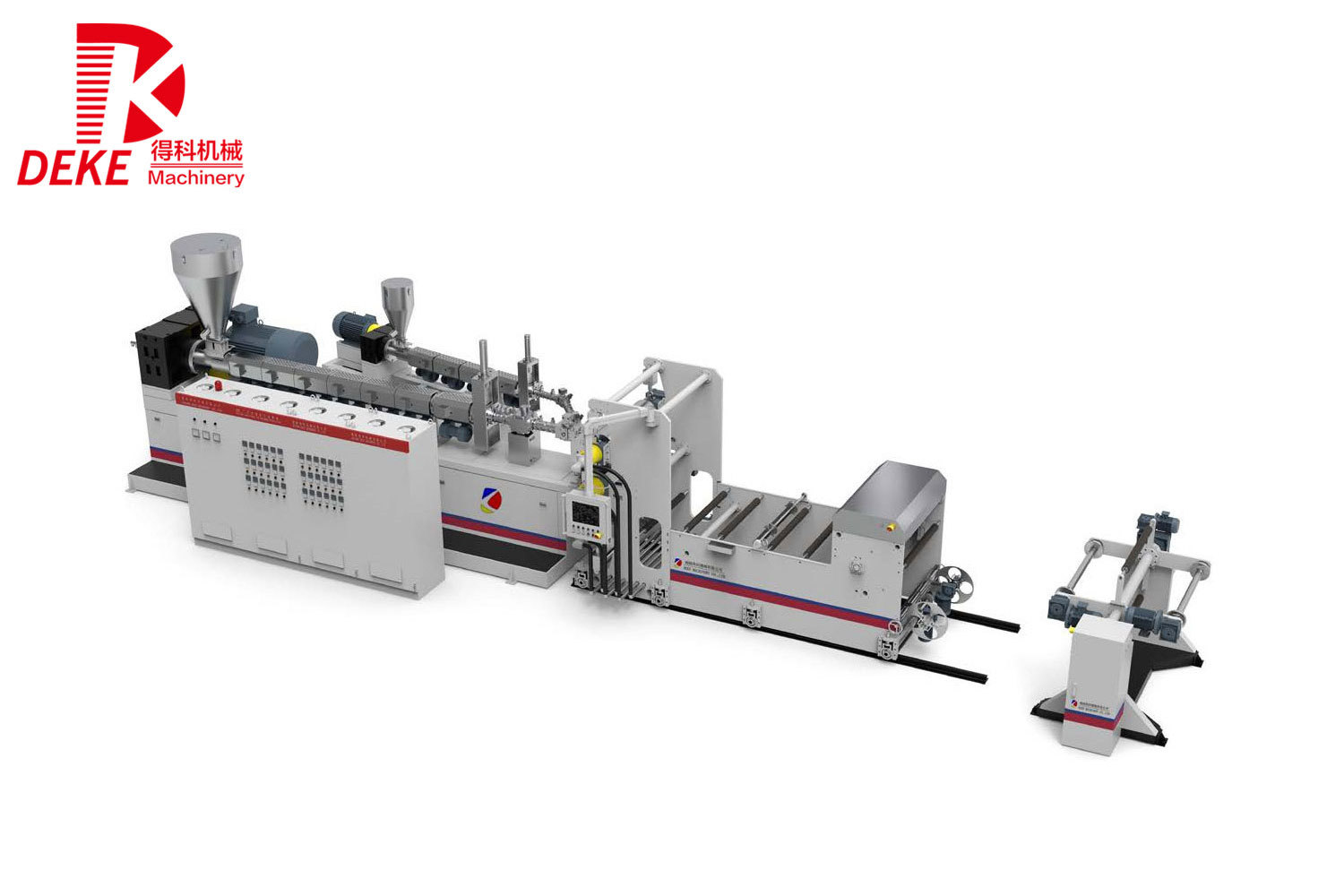
The design of twin screw extruders allows for highly effective mixing and homogenization of materials. The intermeshing screws create a complex flow pattern that ensures thorough blending of polymers with additives, fillers, and other materials. This process is not only efficient but also enhances the overall quality of the final product. Because of this unique design, twin screw extruders can handle a variety of materials, including thermoplastics, thermosets, and even biodegradable plastics.
One of the significant advantages of twin screw extruders is their ability to provide precise control over processing parameters. Manufacturers can adjust temperature, pressure, and feed rates on-the-fly, enabling them to optimize the compounding process for different materials. This flexibility is particularly beneficial when working with specialty compounds that require specific processing conditions to achieve desired properties.
Another noteworthy aspect of twin screw extruders is their scalability. They can be designed for small-scale, laboratory use, as well as large-scale industrial production. This adaptability allows manufacturers to experiment with new formulations and processes in a controlled environment before scaling up to full production runs. Additionally, the modular design of many twin screw extruder systems allows for easy integration of downstream equipment, such as pelletizers and cooling systems, creating a seamless workflow from compounding to finishing.
Furthermore, the ability to incorporate a variety of feeding systems—such as side feeders, liquid injection ports, and gravimetric feeders—enhances the versatility of twin screw extruders. This capability enables manufacturers to introduce materials at different stages of the compounding process, which can improve the dispersion of additives and enhance the material properties of the final product.
In summary, twin screw extruders for compounding play a pivotal role in the plastic manufacturing industry. Their unique design, precise control capabilities, scalability, and versatility make them an indispensable tool for manufacturers seeking to improve their compounding processes. By leveraging the advantages of twin screw extruders, manufacturers can enhance product quality, optimize production efficiency, and stay competitive in an ever-evolving market.
RELATED INFORMATION

Why Choose Conical Twin Screw for Your Next Extrusion Project?
Why Choose Conical Twin Screw for Your Next Extrusion Project? Understanding Extrusion Technology In the realm of **plastic processing**, extrusion is an essential manufacturing technique that transforms raw plastic materials into usable products. The **extrusion process** involves forcing molten plastic through a die to create continuous shapes like sheets, films, and profiles. With advancements
Understanding the Advantages of Counter Rotating Twin Screw Extruders for Plastic Processing
Counter rotating twin screw extruders are pivotal in the plastic processing industry, recognized for their versatility and efficiency. Unlike single screw extruders, twin screw extruders feature two intermeshing screws that rotate in opposite directions. This design allows for enhanced material handling and processing capabilities, making them suitable for a wide array of applications. One of the

Website

Copyright©Jieyang Deke Machinery Co., Ltd.