
The Benefits of Using Twin Screw Extruders for Advanced Polymer Blending
2025-03
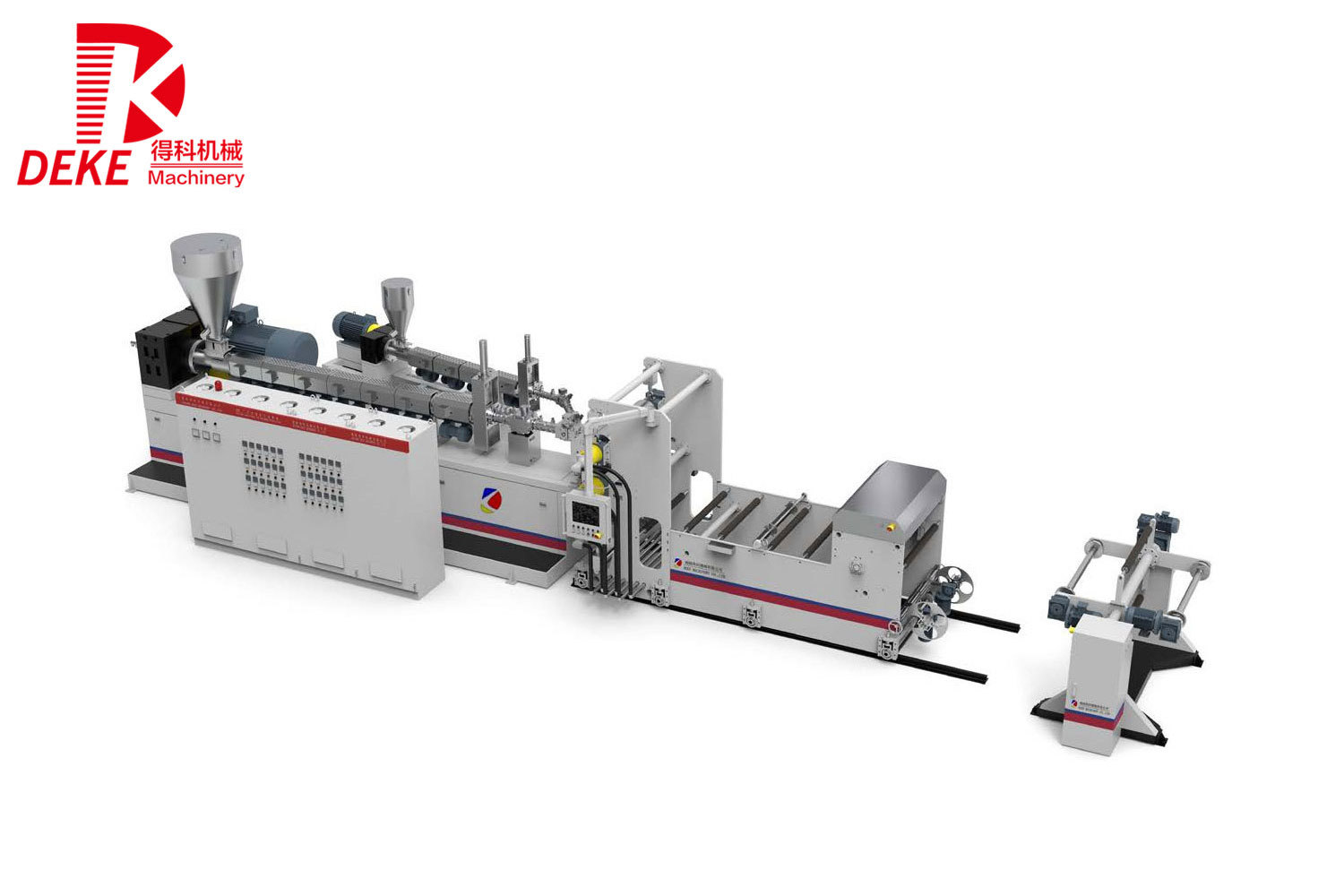
The Benefits of Using Twin Screw Extruders for Advanced Polymer Blending
Table of Contents
- Introduction to Twin Screw Extruders
- Understanding Polymer Blending in Manufacturing
- Key Advantages of Twin Screw Extruders
- Improved Mixing Efficiency and Homogeneity
- Process Optimization and Flexibility
- Enhanced Product Properties and Performance
- Applications in Various Industries
- Environmental Considerations and Sustainability
- Conclusion
- FAQs
Introduction to Twin Screw Extruders
In recent years, **twin screw extruders** have emerged as a pivotal technology in the field of polymer processing. These sophisticated machines consist of two intermeshing screws that rotate within a barrel, facilitating the advanced mixing and blending of various polymer materials. The versatility and efficiency of twin screw extruders make them ideal for a wide range of applications in the manufacturing sector. As industries continue to seek better solutions for polymer blending, understanding the benefits of twin screw extruders becomes crucial for optimizing production processes.
Understanding Polymer Blending in Manufacturing
Polymer blending is the process of combining two or more different polymers to create new materials with enhanced properties. This can involve mixing polymers with varying characteristics, such as flexibility, strength, and thermal resistance. The goal of this blending process is to achieve a material that meets specific performance criteria that individual polymers may not fulfill on their own.
Effective polymer blending requires precise control over the mixing process, which is where twin screw extruders shine. Their design allows for efficient material transport, mixing, and melting, which are essential for achieving uniformity in the final product.
Key Advantages of Twin Screw Extruders
The adoption of twin screw extruders in polymer blending offers numerous advantages that enhance production efficiency and product quality:
1. Enhanced Mixing Capabilities
Twin screw extruders are renowned for their superior mixing capabilities compared to single screw extruders. The intermeshing design and adjustable screw configurations allow for **improved dispersion** and **distribution** of materials. This results in a more homogeneous blend, which is critical for applications where material consistency is paramount.
2. Greater Control Over Processing Parameters
With twin screw extruders, manufacturers have the ability to finely tune processing parameters such as temperature, pressure, and screw speed. This level of control leads to **optimized processing conditions**, allowing for better handling of sensitive materials and complex formulations. The flexibility provided by twin screw extruders means that manufacturers can adapt their processes to meet varying production requirements.
3. Efficient Material Feeding and Transport
The design of twin screw extruders facilitates efficient feeding and transport of raw materials through the system. The screws can be configured to accommodate various feed types, including pellets, powders, and liquids, ensuring that the materials are effectively mixed. As a result, manufacturers can achieve higher throughput and improved product yield.
4. Scalability for Large-Scale Production
Twin screw extruders are easily scalable, making them suitable for both small batch processes and large-scale production. This scalability allows manufacturers to maintain consistent quality across different production volumes, ensuring that they can meet market demands without compromising on product performance.
5. Versatility in Material Processing
These extruders are capable of processing a wide variety of materials, including thermoplastics, elastomers, and thermosetting polymers. This versatility makes twin screw extruders an ideal choice for manufacturers looking to experiment with new formulations and expand their product offerings.
Improved Mixing Efficiency and Homogeneity
One of the hallmarks of twin screw extruders is their ability to achieve **high mixing efficiency**. The intermeshing screws generate significant shear and turbulence, which promotes thorough mixing of materials. This is particularly beneficial for applications that require a uniform distribution of additives or fillers within the polymer matrix.
Enhanced mixing efficiency leads to several advantages:
1. Consistent Product Quality
Achieving a uniform blend of materials ensures that the final product meets quality standards and specifications. With twin screw extruders, manufacturers can produce products with consistent properties, leading to increased customer satisfaction and reduced waste.
2. Reduction in Processing Time
The effective mixing capabilities of twin screw extruders contribute to shorter processing times. Manufacturers can achieve the desired material properties more quickly, allowing for increased productivity and faster turnaround times.
3. Minimized Material Waste
Efficiency in mixing also translates to reduced material waste. By optimizing the blending process, manufacturers can ensure that more of the raw materials are converted into finished products, thereby lowering production costs.
Process Optimization and Flexibility
Process optimization is a critical aspect of modern manufacturing, and twin screw extruders excel in this area. The capability to adjust processing parameters in real-time enables manufacturers to fine-tune their operations to achieve the best possible results.
1. Real-Time Monitoring
Many twin screw extruders are equipped with advanced monitoring equipment that allows for real-time tracking of processing parameters. This data can be used to make immediate adjustments, ensuring that the blending process remains within optimal conditions.
2. Adaptability to Different Formulations
The flexibility of twin screw extruders means that manufacturers can easily switch between different formulations without the need for extensive downtime. This adaptability is particularly beneficial for companies that produce a wide range of products and need to respond to changing market demands quickly.
3. Integration with Other Processing Technologies
Twin screw extruders can be easily integrated with other processing technologies, such as injection molding or blow molding, to create a complete production line. This integration streamlines the manufacturing process and enhances overall efficiency.
Enhanced Product Properties and Performance
The blending of polymers using twin screw extruders not only improves processing efficiency but also enhances the performance characteristics of the final product. Some of the key benefits include:
1. Improved Mechanical Properties
By carefully selecting and blending different polymers, manufacturers can create materials with superior mechanical properties, such as increased strength, flexibility, and impact resistance. This makes twin screw extruders invaluable for producing high-performance materials used in demanding applications.
2. Tailored Thermal and Chemical Resistance
The ability to blend polymers can lead to improved thermal stability and chemical resistance. This is particularly important for applications in industries such as automotive, aerospace, and electronics, where materials must withstand harsh environments.
3. Enhanced Aesthetic Qualities
Twin screw extrusion can also enhance the aesthetic qualities of polymers. By incorporating colorants and additives during the blending process, manufacturers can achieve a wide range of colors and finishes, catering to diverse consumer preferences.
Applications in Various Industries
The versatility and advantages of twin screw extruders make them suitable for a variety of industries. Some key applications include:
1. Automotive Industry
In the automotive sector, twin screw extruders are used to produce lightweight materials that improve fuel efficiency. These materials often combine polymers with fillers such as glass or carbon fibers, resulting in composites that offer both strength and reduced weight.
2. Packaging Industry
The packaging industry benefits from twin screw extrusion through the production of films and containers that require specific barrier properties. Blending different polymers allows manufacturers to create materials that protect contents from moisture and oxygen, extending shelf life.
3. Electronics Industry
For electronics, twin screw extruders can produce materials that offer excellent thermal and electrical properties. These materials are essential for insulation and casing components in electronic devices, ensuring safety and performance.
4. Medical Industry
In the medical field, twin screw extruders enable the production of biocompatible materials used in medical devices and drug delivery systems. The precise control over blending can lead to materials that meet stringent regulatory requirements.
Environmental Considerations and Sustainability
As industries focus on sustainability, twin screw extruders play a vital role in producing eco-friendly materials. By facilitating the blending of recycled polymers with virgin materials, manufacturers can reduce waste and promote a circular economy. Additionally, the efficiency of twin screw extruders contributes to lower energy consumption during the production process, aligning with global sustainability goals.
Conclusion
The benefits of twin screw extruders in advanced polymer blending are undeniable. From enhanced mixing efficiency and improved product properties to process optimization and versatility, these machines are revolutionizing the plastic processing industry. Manufacturers who adopt twin screw extrusion technology can expect to see significant improvements in product quality, production efficiency, and sustainability. As the demand for innovative materials continues to grow, twin screw extruders will remain at the forefront of polymer blending, driving advancements across various industries.
FAQs
1. What are twin screw extruders used for?
Twin screw extruders are used for blending and processing a variety of polymers to create high-performance materials for applications in industries such as automotive, packaging, electronics, and medical.
2. How do twin screw extruders improve product quality?
They enhance product quality by achieving superior mixing efficiency, allowing for better dispersion of additives and uniform properties throughout the polymer blend.
3. Can twin screw extruders handle different types of polymers?
Yes, twin screw extruders can process a wide range of polymers, including thermoplastics, elastomers, and thermosetting polymers, making them versatile for various applications.
4. What advantages do twin screw extruders have over single screw extruders?
Twin screw extruders offer better mixing capabilities, greater control over processing parameters, and improved scalability, leading to enhanced product consistency and faster processing times.
5. Are twin screw extruders environmentally friendly?
Yes, they can contribute to sustainability by enabling the blending of recycled materials and reducing energy consumption during the manufacturing process.
By understanding the extensive benefits of twin screw extruders, manufacturers can make informed decisions about incorporating this technology into their production processes, ensuring they remain competitive in the ever-evolving landscape of polymer processing.
RELATED INFORMATION

Why Choose Conical Twin Screw for Your Next Extrusion Project?
Why Choose Conical Twin Screw for Your Next Extrusion Project? Understanding Extrusion Technology In the realm of **plastic processing**, extrusion is an essential manufacturing technique that transforms raw plastic materials into usable products. The **extrusion process** involves forcing molten plastic through a die to create continuous shapes like sheets, films, and profiles. With advancements
Understanding the Advantages of Counter Rotating Twin Screw Extruders for Plastic Processing
Counter rotating twin screw extruders are pivotal in the plastic processing industry, recognized for their versatility and efficiency. Unlike single screw extruders, twin screw extruders feature two intermeshing screws that rotate in opposite directions. This design allows for enhanced material handling and processing capabilities, making them suitable for a wide array of applications. One of the

Website

Copyright©Jieyang Deke Machinery Co., Ltd.