
Understanding Twin Screw Extruders for Compounding in Plastic Processing
2025-03
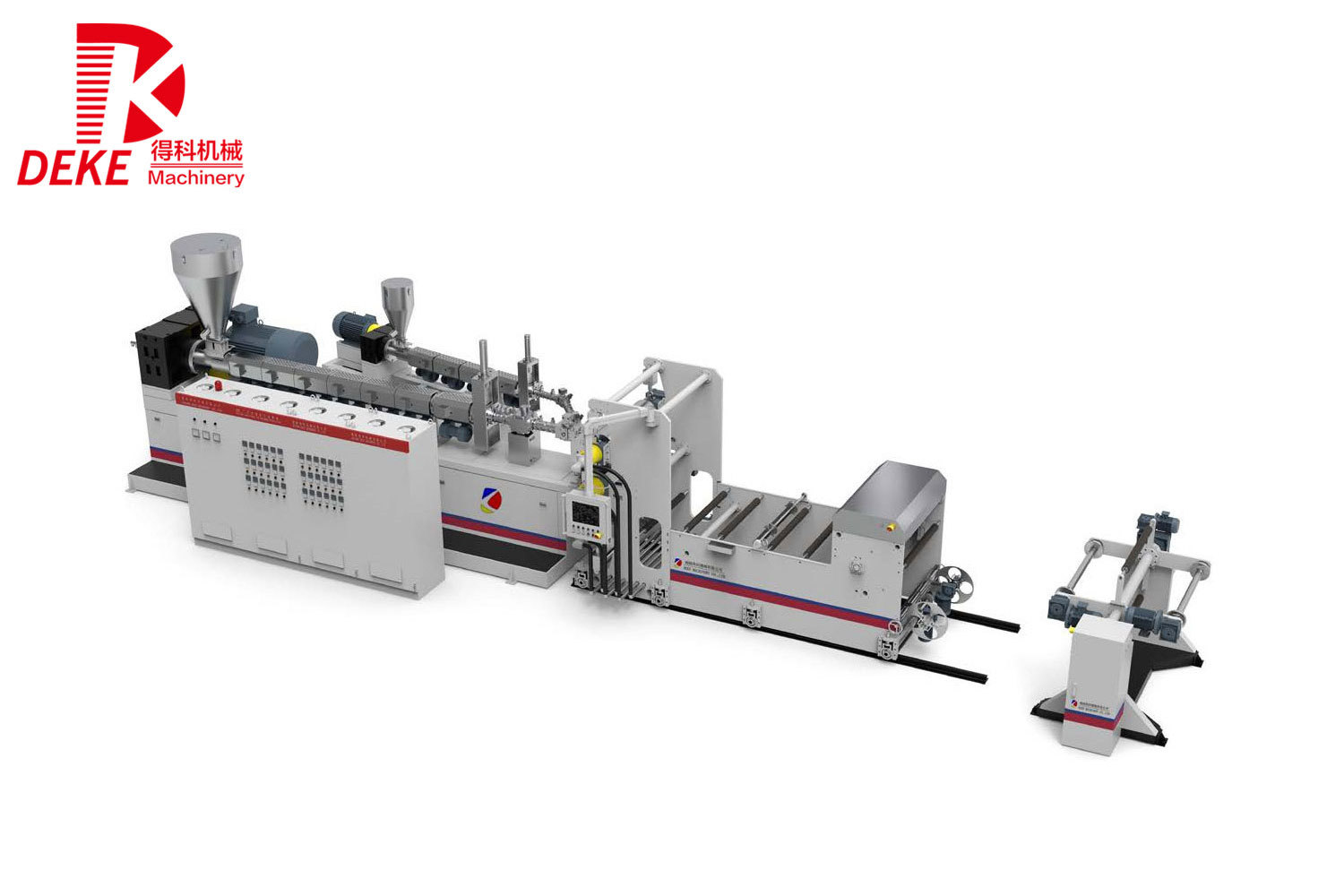
One of the primary advantages of twin screw extruders is their versatility. By adjusting the speed and configuration of the screws, operators can tailor the compounding process to achieve specific material characteristics. This flexibility allows for the blending of a wide range of polymers with various additives, including fillers, colorants, and stabilizers. As a result, manufacturers can create custom compounds that meet exact specifications for different applications, from automotive parts to consumer goods.
Another significant benefit of twin screw extruders is their efficient mixing capability. The intermeshing design promotes intense shear and mixing, ensuring that the additives are uniformly distributed within the polymer matrix. This thorough mixing is critical for achieving consistent product quality and performance. Additionally, the process often requires fewer passes through the extruder, which can enhance production efficiency and reduce energy consumption.
In terms of applications, twin screw extruders are widely used in the production of masterbatches, engineering plastics, and specialty compounds. Industries such as automotive, packaging, and electronics rely heavily on these machines to produce high-performance materials. The ability to process high-viscosity materials also makes twin screw extruders ideal for compounding filled or reinforced polymers, further expanding their applicability in various sectors.
From an operational perspective, it is essential to consider factors such as cooling, heating, and venting during the compounding process. Twin screw extruders can be designed with multiple temperature zones, allowing for precise thermal management essential for maintaining material properties. Moreover, incorporating vacuum venting systems can help remove volatiles and moisture, ultimately improving the quality of the end product.
In summary, twin screw extruders play a crucial role in the compounding of plastics, providing manufacturers with the tools to create high-quality materials tailored to specific applications. Their versatility, mixing efficiency, and ability to handle complex formulations make them invaluable in the competitive landscape of plastic processing. For professionals in the field, understanding the intricacies of twin screw extruders is key to optimizing production processes and enhancing product offerings.
Previous Page:
RELATED INFORMATION

Why Choose Conical Twin Screw for Your Next Extrusion Project?
Why Choose Conical Twin Screw for Your Next Extrusion Project? Understanding Extrusion Technology In the realm of **plastic processing**, extrusion is an essential manufacturing technique that transforms raw plastic materials into usable products. The **extrusion process** involves forcing molten plastic through a die to create continuous shapes like sheets, films, and profiles. With advancements
Understanding the Advantages of Counter Rotating Twin Screw Extruders for Plastic Processing
Counter rotating twin screw extruders are pivotal in the plastic processing industry, recognized for their versatility and efficiency. Unlike single screw extruders, twin screw extruders feature two intermeshing screws that rotate in opposite directions. This design allows for enhanced material handling and processing capabilities, making them suitable for a wide array of applications. One of the

Website

Copyright©Jieyang Deke Machinery Co., Ltd.