
How Parallel Twin Screw Extruders Enhance Plastic Processing: Unleashing Efficiency and Precision
2025-03
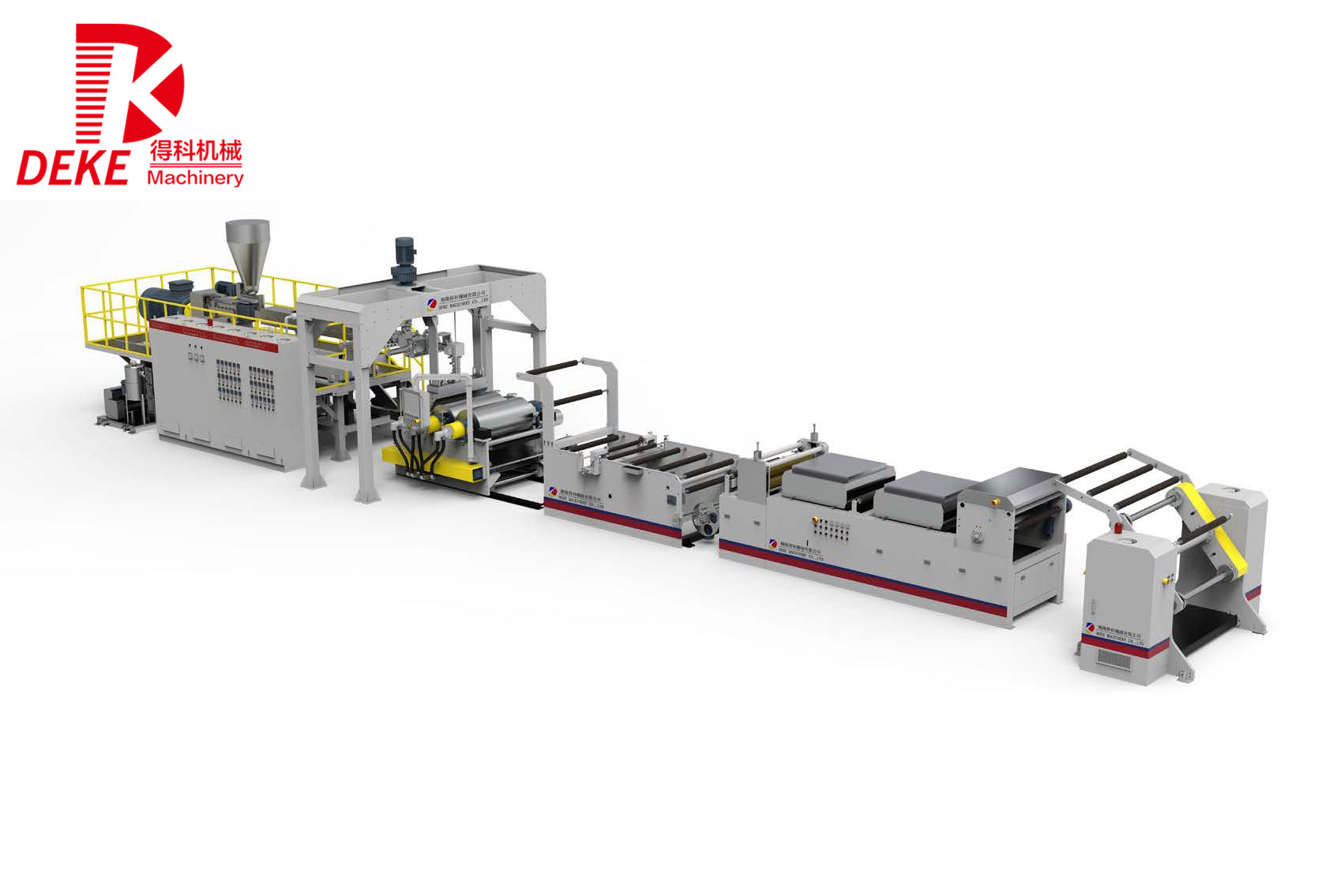
How Parallel Twin Screw Extruders Enhance Plastic Processing
Table of Contents
1. Introduction to Parallel Twin Screw Extruders
2. The Mechanics Behind Parallel Twin Screw Extruders
3. Advantages of Using Parallel Twin Screw Extruders
3.1 Enhanced Mixing Capabilities
3.2 Improved Temperature Control
3.3 Greater Flexibility in Processing
3.4 Increased Production Efficiency
4. Applications of Parallel Twin Screw Extruders in Various Industries
5. Key Components of a Parallel Twin Screw Extruder
5.1 Screws and Barrels
5.2 Drive Systems
5.3 Cooling and Heating Zones
6. Maintenance Tips for Optimal Performance
7. Future Trends in Extrusion Technology
8. Conclusion
9. Frequently Asked Questions (FAQs)
1. Introduction to Parallel Twin Screw Extruders
In the realm of plastic processing, **parallel twin screw extruders** are gaining recognition for their ability to enhance efficiency, precision, and versatility. These machines play a pivotal role in transforming raw plastic materials into usable products, catering to a wide array of industries, including automotive, packaging, and consumer goods. As manufacturers seek to optimize production lines, understanding the intricacies of parallel twin screw extruders becomes essential.
2. The Mechanics Behind Parallel Twin Screw Extruders
Parallel twin screw extruders consist of two intermeshing screws that rotate synchronously within a heated barrel. This unique design allows for effective material conveying, mixing, and heating, resulting in a more homogeneous end product. The design of the screws can be customized to accommodate various materials and processes, ensuring that manufacturers can achieve the desired characteristics in their final products.
The operation begins with feeding raw plastic pellets into the extruder, which are then transported through the barrel. As the screws rotate, they create a strong shearing action, which helps to break down the material and promote uniform mixing. The controlled temperature and pressure settings allow for precise processing, revealing the true potential of plastic materials.
3. Advantages of Using Parallel Twin Screw Extruders
Understanding the benefits of parallel twin screw extruders can significantly impact the efficiency and quality of plastic processing. Here are some key advantages:
3.1 Enhanced Mixing Capabilities
One of the most significant benefits of parallel twin screw extruders is their **enhanced mixing capabilities**. The intermeshing design allows for thorough mixing of additives, colorants, and other materials. This results in a homogeneous mixture that improves the mechanical and aesthetic properties of the final product.
3.2 Improved Temperature Control
Parallel twin screw extruders feature multiple heating and cooling zones that facilitate **improved temperature control**. This feature is crucial for processing temperature-sensitive materials, ensuring that they do not degrade during processing. The ability to maintain optimal temperatures enhances product quality and consistency.
3.3 Greater Flexibility in Processing
The **flexibility** of parallel twin screw extruders makes them suitable for a wide variety of applications. Manufacturers can easily change screw configurations and processing parameters to accommodate different materials and products. This adaptability allows businesses to pivot quickly in response to market demands.
3.4 Increased Production Efficiency
Parallel twin screw extruders are designed for **increased production efficiency**. Their high throughput capabilities enable manufacturers to produce large quantities of material in shorter timeframes. This increased productivity directly contributes to reduced operational costs and improved profitability.
4. Applications of Parallel Twin Screw Extruders in Various Industries
Parallel twin screw extruders are utilized across multiple industries due to their versatility. Some notable applications include:
- **Automotive Industry**: They are used to produce lightweight materials, composite components, and specialty resins that meet stringent automotive standards.
- **Packaging Industry**: These extruders manufacture films, sheets, and containers that require precise thickness and mechanical properties.
- **Consumer Goods**: From toys to household products, parallel twin screw extruders help in creating diverse plastic items with enhanced durability and appearance.
- **Medical Devices**: They are essential in producing biocompatible plastics for medical applications, ensuring quality and safety.
5. Key Components of a Parallel Twin Screw Extruder
To fully appreciate how parallel twin screw extruders work, it's important to understand their key components:
5.1 Screws and Barrels
The screws and barrels are at the heart of the extruder. The **design and material** of the screws influence mixing effectiveness and material flow. Their configuration can be modified to cater to specific processing needs.
5.2 Drive Systems
The drive system provides the necessary torque and speed to the screws. Advances in drive technology ensure smooth operation and allow for precise control over processing conditions.
5.3 Cooling and Heating Zones
These zones are critical for maintaining the required processing temperature. The **ability to control temperature** through multiple zones ensures that materials are processed under optimal conditions, preventing degradation.
6. Maintenance Tips for Optimal Performance
Proper maintenance is vital to ensure the longevity and efficiency of parallel twin screw extruders:
- **Regular Inspection**: Frequent checks of the screws and barrels can identify wear and tear early, preventing costly repairs.
- **Temperature Calibration**: Ensure that all heating and cooling zones are calibrated correctly to maintain consistent processing conditions.
- **Lubrication**: Regular lubrication of the drive system will minimize friction, reducing wear and promoting longer equipment life.
7. Future Trends in Extrusion Technology
The landscape of plastic processing is ever-evolving. Future trends in parallel twin screw extrusion include:
- **Smart Technology Integration**: Incorporating IoT and AI can enhance monitoring and predictive maintenance, improving overall efficiency.
- **Sustainability**: The push for eco-friendly materials will drive innovations in extrusion techniques that utilize recycled materials and reduce energy consumption.
- **Advancements in Materials**: Continuous research into new polymers and additives will expand the applications of parallel twin screw extruders.
8. Conclusion
Parallel twin screw extruders play an essential role in modern plastic processing, enhancing efficiency, mixing, and production capabilities. Their adaptability allows manufacturers to meet diverse market needs while maintaining high-quality standards. As technology advances, these machines will continue to evolve, further solidifying their place in the plastic processing industry.
9. Frequently Asked Questions (FAQs)
1. What materials can be processed with parallel twin screw extruders?
Parallel twin screw extruders are versatile and can process a variety of materials, including thermoplastics, thermosetting plastics, and composites.
2. How do parallel twin screw extruders differ from single screw extruders?
The main difference lies in their design; parallel twin screw extruders provide better mixing and temperature control due to their intermeshing screws, whereas single screw extruders are simpler and typically used for less complex materials.
3. What industries benefit the most from parallel twin screw extrusion technology?
Industries such as automotive, packaging, consumer goods, and medical devices benefit significantly from this technology due to the high quality and efficiency it provides.
4. Can parallel twin screw extruders process recycled materials?
Yes, they can efficiently process recycled plastics, contributing to sustainability efforts in manufacturing.
5. What are common issues faced with parallel twin screw extruders and how can they be resolved?
Common issues include wear and tear of screws and barrels, inconsistent temperature control, and material degradation. Regular maintenance, monitoring, and calibration can help mitigate these problems.
This comprehensive guide underscores the critical role that parallel twin screw extruders play in enhancing plastic processing, offering insights into their design, benefits, and future trends.
Previous Page:
RELATED INFORMATION

Why Choose Conical Twin Screw for Your Next Extrusion Project?
Why Choose Conical Twin Screw for Your Next Extrusion Project? Understanding Extrusion Technology In the realm of **plastic processing**, extrusion is an essential manufacturing technique that transforms raw plastic materials into usable products. The **extrusion process** involves forcing molten plastic through a die to create continuous shapes like sheets, films, and profiles. With advancements
Understanding the Advantages of Counter Rotating Twin Screw Extruders for Plastic Processing
Counter rotating twin screw extruders are pivotal in the plastic processing industry, recognized for their versatility and efficiency. Unlike single screw extruders, twin screw extruders feature two intermeshing screws that rotate in opposite directions. This design allows for enhanced material handling and processing capabilities, making them suitable for a wide array of applications. One of the

Website

Copyright©Jieyang Deke Machinery Co., Ltd.