
Unraveling the Benefits of Using a PET Single Screw Extruder: A Comprehensive Guide
2025-04
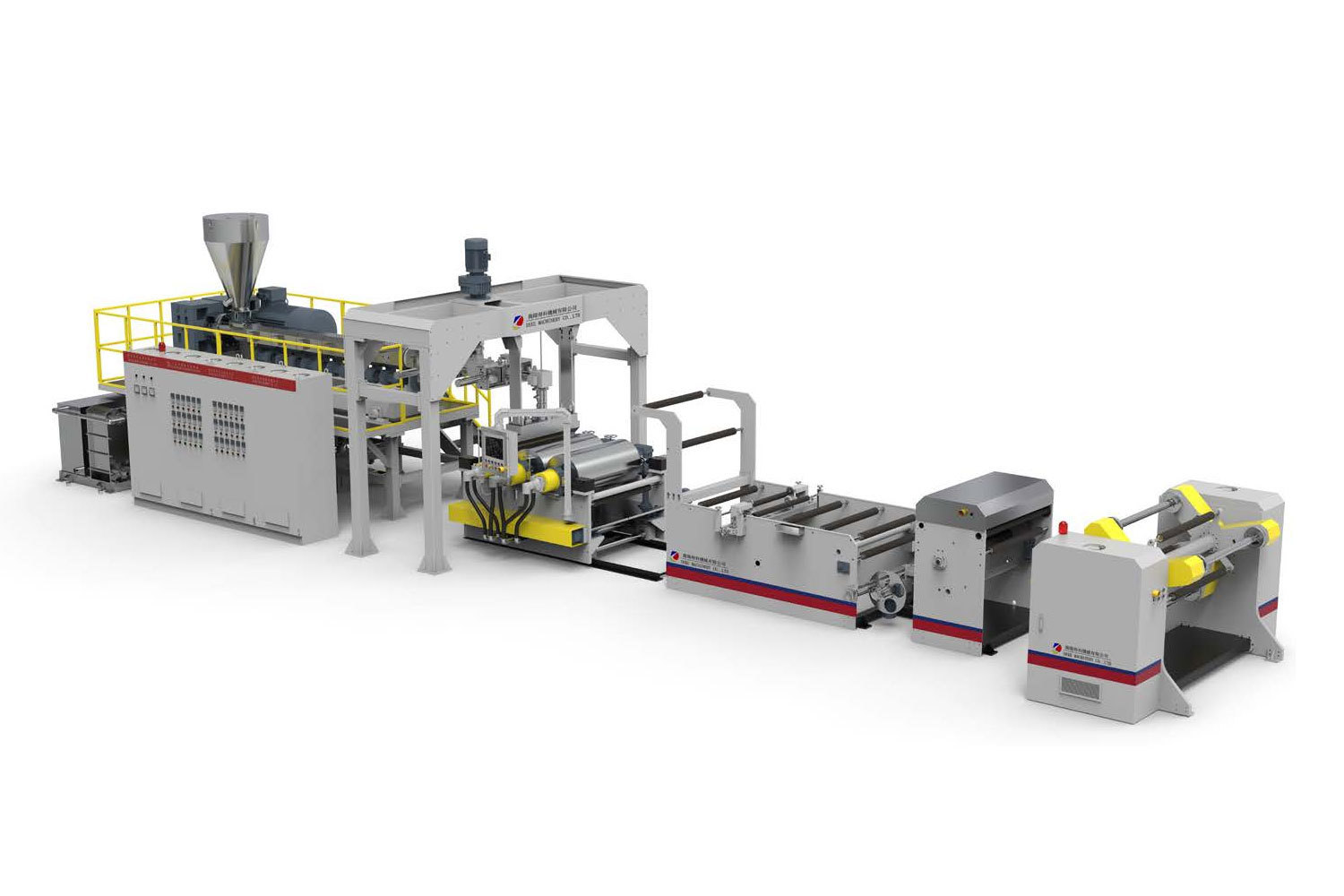
Unraveling the Benefits of Using a PET Single Screw Extruder
Table of Contents
- 1. Introduction to PET Single Screw Extruders
- 2. Understanding PET and Its Importance in Manufacturing
- 3. How Single Screw Extruders Operate
- 4. Benefits of Using a PET Single Screw Extruder
- 4.1. Enhanced Efficiency and Productivity
- 4.2. Cost-Effectiveness in Production
- 4.3. Versatility in Applications
- 4.4. Improved Product Quality
- 4.5. Positive Environmental Impact
- 5. Applications of PET Single Screw Extruders
- 6. Maintenance and Best Practices
- 7. The Future of Extrusion Technology
- 8. Frequently Asked Questions
- 9. Conclusion
1. Introduction to PET Single Screw Extruders
In the dynamic world of plastic manufacturing, **PET (Polyethylene Terephthalate)** single screw extruders have emerged as an essential tool. They play a pivotal role in transforming raw materials into high-quality plastic products. This article delves into the myriad benefits of PET single screw extruders, illustrating their significance in modern manufacturing processes.
2. Understanding PET and Its Importance in Manufacturing
**Polyethylene Terephthalate**, commonly referred to as PET, is a thermoplastic polymer known for its durability, lightweight nature, and recyclability. These characteristics make PET an ideal choice for various applications, including packaging, textiles, and automotive components. Understanding the properties of PET is essential for manufacturers looking to leverage its advantages effectively.
3. How Single Screw Extruders Operate
Single screw extruders consist of a rotating screw within a heated barrel. The process begins with feeding the PET pellets into the hopper. As the screw rotates, it conveys the pellets through various zones of the barrel, where they experience increasing temperatures. This heat melts the PET, allowing it to be shaped into desired forms.
**Key components** of a single screw extruder include:
- **Feeding Zone**: Where the raw materials enter and are initially heated.
- **Compression Zone**: The area where the material is compressed to facilitate melting.
- **Metallurgical Zone**: The section where the PET is completely melted and homogenized.
- **Die Zone**: The final stage, where the molten PET is forced through a die, creating specific shapes.
Understanding this mechanism is crucial for optimizing production efficiency and product quality.
4. Benefits of Using a PET Single Screw Extruder
The adoption of PET single screw extruders comes with numerous benefits that significantly enhance manufacturing processes.
4.1. Enhanced Efficiency and Productivity
One of the primary advantages of using a PET single screw extruder is the **enhanced efficiency** it offers. The continuous operation of these extruders allows for sustained production rates, minimizing downtime. Additionally, the design of single screw extruders facilitates efficient melting and mixing of PET, ensuring a more consistent output. Manufacturers can achieve higher throughput, translating to increased productivity and reduced operational costs.
4.2. Cost-Effectiveness in Production
PET single screw extruders are known for their cost-effectiveness. By optimizing the melting process and reducing energy consumption, these machines contribute to lower production costs. Furthermore, the versatility of PET allows manufacturers to create a wide range of products without the need for multiple machines, further enhancing cost efficiency.
4.3. Versatility in Applications
**Versatility** is another significant benefit of PET single screw extruders. They can process various grades of PET, enabling the production of diverse products such as films, sheets, and containers. This adaptability makes them suitable for different sectors, including food packaging, textiles, and automotive manufacturing.
4.4. Improved Product Quality
The precise control offered by PET single screw extruders results in **improved product quality**. With consistent temperature and pressure throughout the extrusion process, manufacturers can achieve superior mechanical properties in their products. This leads to enhanced durability, clarity, and overall performance, meeting the demands of high-quality standards.
4.5. Positive Environmental Impact
In today’s eco-conscious environment, the use of PET in manufacturing has a **positive environmental impact**. PET is 100% recyclable, and using single screw extruders helps minimize waste during production. Additionally, advancements in extrusion technology are continually improving energy efficiency, further reducing the carbon footprint associated with plastic manufacturing.
5. Applications of PET Single Screw Extruders
The applications of PET single screw extruders are vast and diverse. Some common applications include:
- **Packaging**: Used extensively in the production of beverage bottles and food containers.
- **Textiles**: Employed in creating fibers and filaments for clothing and upholstery.
- **Automotive Parts**: Essential in manufacturing lightweight components that enhance fuel efficiency.
- **Consumer Goods**: Utilized in the production of various plastic products.
Understanding these applications can help manufacturers identify opportunities for innovation and expansion in their product offerings.
6. Maintenance and Best Practices
To ensure optimal performance and longevity of PET single screw extruders, regular maintenance is crucial. Here are some best practices:
- **Routine Cleaning**: Regularly clean the barrel and screw to prevent material buildup.
- **Temperature Monitoring**: Keep a close eye on temperature settings to maintain product quality.
- **Lubrication**: Ensure all moving parts are adequately lubricated to reduce wear and tear.
- **Regular Inspections**: Conduct periodic inspections to identify and rectify any mechanical issues.
Implementing these maintenance strategies will not only enhance the performance of the extruder but also extend its lifespan.
7. The Future of Extrusion Technology
The future of extrusion technology is bright, characterized by innovations aimed at improving efficiency, sustainability, and product quality. Emerging trends include:
- **Smart Technologies**: The integration of IoT and AI for real-time monitoring and predictive maintenance.
- **Eco-Friendly Materials**: The development of biodegradable PET and other sustainable materials.
- **Energy Efficiency**: Advancements in extruder design to further reduce energy consumption.
Staying informed about these trends will empower manufacturers to remain competitive and responsive to market demands.
8. Frequently Asked Questions
1. What is the difference between single screw and twin screw extruders?
Single screw extruders typically offer simplicity and cost-effectiveness, while twin screw extruders are known for better mixing and processing of complex materials.
2. Can PET single screw extruders process recycled materials?
Yes, PET single screw extruders can effectively process recycled PET materials, contributing to sustainable manufacturing practices.
3. What maintenance is required for a PET single screw extruder?
Regular cleaning, lubrication, temperature monitoring, and periodic inspections are essential for maintaining optimal performance.
4. How can manufacturers improve the efficiency of their PET single screw extruders?
Manufacturers can enhance efficiency by optimizing process parameters, utilizing high-quality materials, and implementing regular maintenance practices.
5. Is PET environmentally friendly?
PET is a recyclable material, and its use in manufacturing is increasingly associated with sustainable practices, particularly when recycled materials are utilized.
9. Conclusion
PET single screw extruders represent a cornerstone of modern plastic manufacturing, offering numerous benefits that enhance efficiency, cost-effectiveness, and product quality. By understanding their operation and advantages, manufacturers can make informed decisions that lead to greater innovation and sustainability. As the industry continues to evolve, embracing advancements in extrusion technology will ensure that businesses remain competitive in an ever-changing market.
RELATED INFORMATION

Why Choose Conical Twin Screw for Your Next Extrusion Project?
Why Choose Conical Twin Screw for Your Next Extrusion Project? Understanding Extrusion Technology In the realm of **plastic processing**, extrusion is an essential manufacturing technique that transforms raw plastic materials into usable products. The **extrusion process** involves forcing molten plastic through a die to create continuous shapes like sheets, films, and profiles. With advancements
Understanding the Advantages of Counter Rotating Twin Screw Extruders for Plastic Processing
Counter rotating twin screw extruders are pivotal in the plastic processing industry, recognized for their versatility and efficiency. Unlike single screw extruders, twin screw extruders feature two intermeshing screws that rotate in opposite directions. This design allows for enhanced material handling and processing capabilities, making them suitable for a wide array of applications. One of the

Website

Copyright©Jieyang Deke Machinery Co., Ltd.