
The Essential Guide to PET Single Screw Extruders in Plastic Processing
2025-04
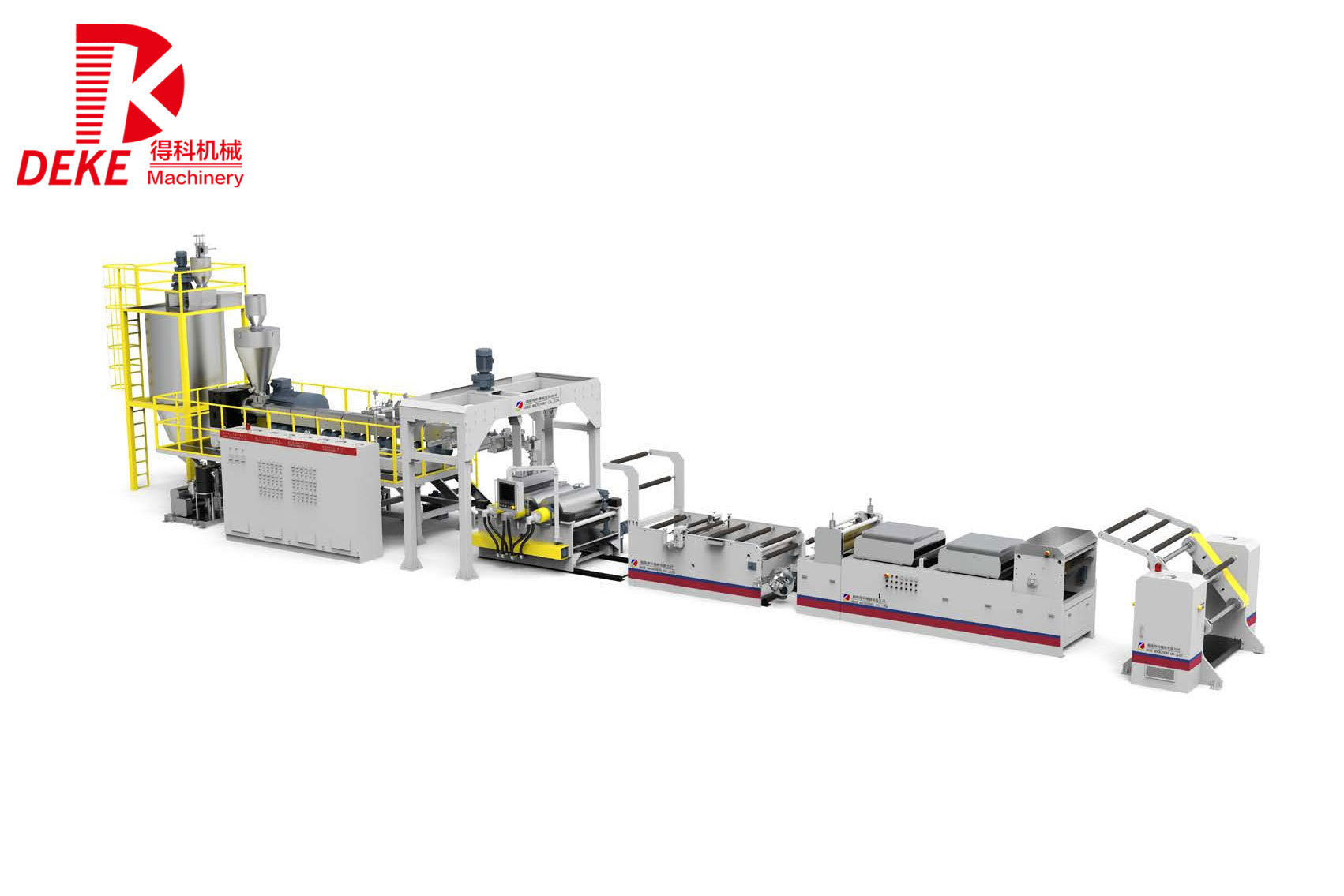
The operation of a PET single screw extruder is relatively straightforward yet effective. It consists of a single, rotating screw within a heated barrel. The material is fed into the hopper, where it is gradually heated and melted as it moves along the barrel due to the screw's rotation. The design of the screw is crucial, as it ensures adequate mixing and homogenization of the molten PET. This process allows for consistent material properties and minimizes defects in the final product.
One of the primary advantages of using a PET single screw extruder is its efficiency. The single-screw design allows for continuous production, which is ideal for high-volume manufacturing. Moreover, this type of extruder can handle a wide range of PET formulations, making it versatile for different production requirements. By adjusting parameters such as temperature, screw speed, and feed rate, manufacturers can customize the extrusion process to achieve specific material characteristics.
Another significant benefit of PET single screw extruders is their relatively low maintenance requirements. Compared to other types of extrusion systems, single screw extruders have fewer moving parts, which can reduce wear and tear over time. This simplicity translates to lower operational costs and increased uptime, making it a preferred choice for many companies in the plastic processing industry.
Furthermore, the PET single screw extruder can be integrated with downstream processes such as pelletizing, blow molding, or injection molding, creating a seamless production line. This integration allows for greater efficiency and product consistency while reducing the need for intermediate handling of materials.
In conclusion, a PET single screw extruder plays a crucial role in plastic processing by offering efficient production, versatility in material handling, and lower maintenance costs. Understanding its operation and benefits can empower manufacturers to make informed decisions about their production processes, ultimately leading to improved product quality and business success. As the demand for PET products continues to grow, investing in advanced extrusion technology becomes increasingly important for staying competitive in the market.
RELATED INFORMATION

Why Choose Conical Twin Screw for Your Next Extrusion Project?
Why Choose Conical Twin Screw for Your Next Extrusion Project? Understanding Extrusion Technology In the realm of **plastic processing**, extrusion is an essential manufacturing technique that transforms raw plastic materials into usable products. The **extrusion process** involves forcing molten plastic through a die to create continuous shapes like sheets, films, and profiles. With advancements
Understanding the Advantages of Counter Rotating Twin Screw Extruders for Plastic Processing
Counter rotating twin screw extruders are pivotal in the plastic processing industry, recognized for their versatility and efficiency. Unlike single screw extruders, twin screw extruders feature two intermeshing screws that rotate in opposite directions. This design allows for enhanced material handling and processing capabilities, making them suitable for a wide array of applications. One of the

Website

Copyright©Jieyang Deke Machinery Co., Ltd.