
Why Choose a Single Screw Extruder for Your PET Processing Needs?
2025-04
Why Choose a Single Screw Extruder for Your PET Processing Needs?
Table of Contents
- Introduction to PET Processing
- Understanding Single Screw Extruders
- Advantages of Single Screw Extruders
- Applications in PET Processing
- Technical Specifications
- Choosing the Right Single Screw Extruder
- Frequently Asked Questions (FAQs)
- Conclusion
Introduction to PET Processing
Polyethylene Terephthalate, commonly known as PET, is a thermoplastic polymer widely used in the manufacturing of various products, including bottles, containers, and films. The efficient processing of PET is crucial for manufacturers aiming to produce high-quality products at a competitive rate. Among the various extrusion technologies available, **single screw extruders** stand out as a favored choice for many PET processing applications due to their numerous advantages.
Understanding Single Screw Extruders
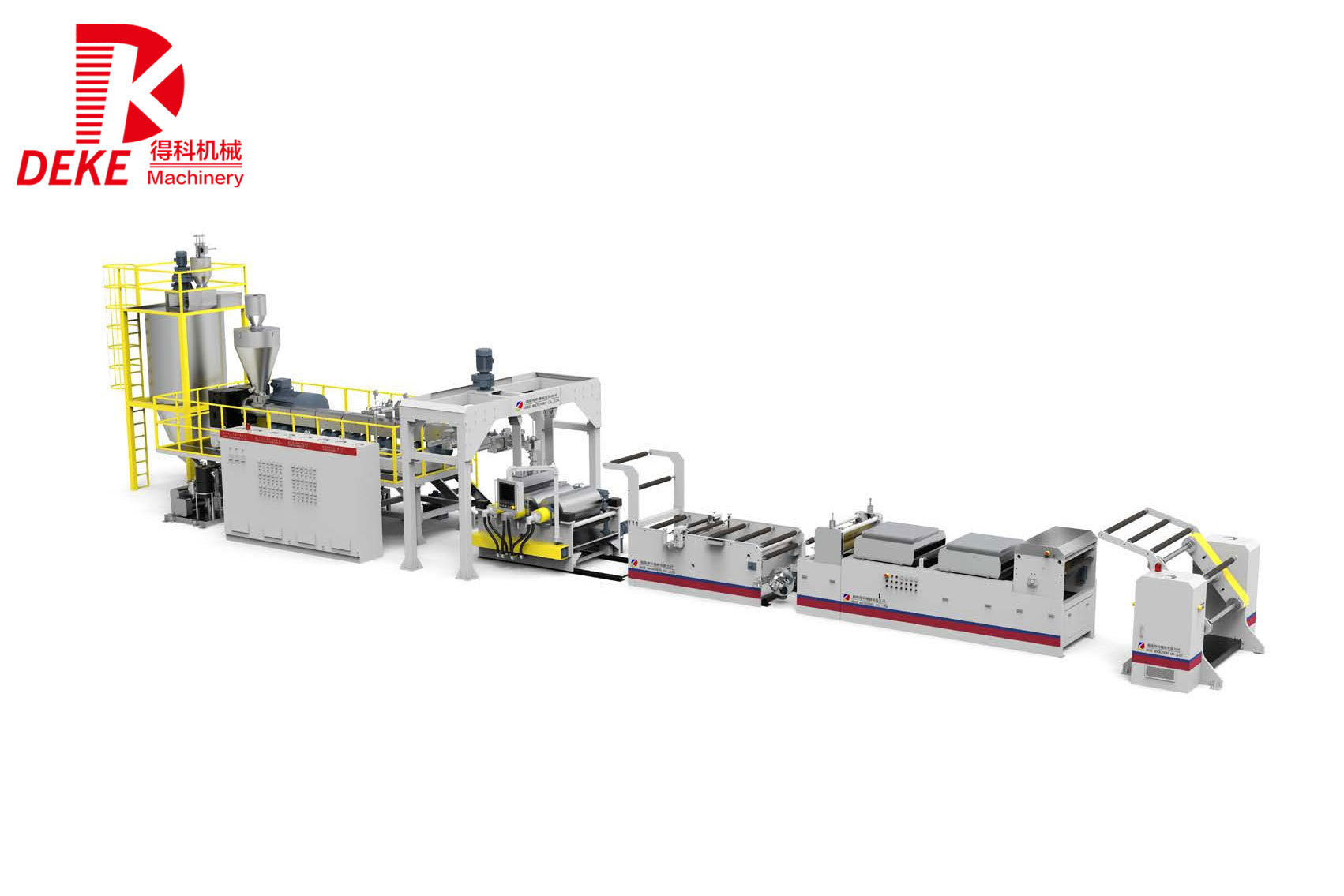
A **single screw extruder** consists of a helical screw that moves material through a heated barrel. The design facilitates the melting and mixing of PET pellets, enabling efficient processing. The machine features a feed zone, a melting zone, and a metering zone, each contributing to the overall extrusion process. This design allows for better control over the temperature and shear rate, making it ideal for processing PET.
Advantages of Single Screw Extruders
Single screw extruders offer numerous benefits, making them an ideal choice for PET processing. Below, we delve into specific advantages that set them apart.
Cost Efficiency
One of the most compelling reasons to choose a single screw extruder is its cost-effectiveness. The initial investment is generally lower compared to other types of extruders, such as twin-screw extruders. Additionally, the operational costs are minimized due to lower energy consumption. With fewer moving parts, maintenance requirements are reduced, further enhancing the overall cost efficiency of the equipment.
Operational Efficiency
Single screw extruders are known for their **operational efficiency**. The continuous flow of material through the machine ensures a steady output, which is essential for high-volume production. The simplicity of the design allows for quick startup and shutdown processes, minimizing downtime and maximizing productivity. Furthermore, the single screw configuration results in a consistent melting process, essential for maintaining the quality of PET products.
Versatility in Applications
The versatility of single screw extruders makes them suitable for a wide range of applications in PET processing. They can handle various additives, colors, and fillers, allowing manufacturers to customize their products according to market demands. Whether for producing sheets, films, or bottles, single screw extruders can adapt to different formulations with ease.
Ease of Maintenance
Maintenance is a crucial aspect of any manufacturing process. Single screw extruders are designed for easy access to components, making routine maintenance straightforward. The reduced complexity of the machine translates to fewer parts that require inspection and replacement. As a result, manufacturers can maintain optimal performance with minimal effort and cost.
Applications in PET Processing
Single screw extruders find applications across various sectors in PET processing. Here are some typical applications:
1. **Bottle Production**: Single screw extruders are commonly used to produce preforms for PET bottles, which are then blow-molded into the final product.
2. **Sheet Extrusion**: They are ideal for producing PET sheets used in food packaging and other applications.
3. **Film Production**: The flexibility of single screw extruders makes them suitable for creating thin films, often used in flexible packaging.
4. **Recycling**: Single screw extruders can also play a pivotal role in recycling processes, where reclaimed PET is reprocessed for reuse.
Technical Specifications
When considering a single screw extruder for PET processing, understanding the technical specifications is crucial. Key factors include:
- **Screw Diameter and Length**: The diameter and length of the screw directly affect the throughput and melting capacity.
- **Temperature Control**: Precise temperature control is essential for processing PET effectively.
- **Drive Power**: The motor power should be adequate to handle the desired output while ensuring energy efficiency.
- **Material Handling**: The design of the feed section should allow for smooth material handling and prevent jamming.
Choosing the Right Single Screw Extruder
Selecting the right single screw extruder entails evaluating several factors to ensure it meets your PET processing needs.
Size and Capacity Considerations
The size of the extruder should correspond to your production requirements. Larger models provide higher throughput but may require additional space and resources. Understanding your daily output goals will help determine the ideal size.
Material Requirements
Different formulations of PET may have specific processing requirements. Ensure that the extruder you choose is compatible with the types of PET you plan to process, including any additives or colors.
Production Needs
Consider your production schedule and the flexibility required in your operations. If you expect to switch between different products frequently, a versatile single screw extruder will be beneficial.
Frequently Asked Questions (FAQs)
1. What is the main advantage of using a single screw extruder for PET processing?
The main advantage is the cost-effectiveness and operational efficiency, enabling high-volume production with minimal maintenance.
2. Can a single screw extruder handle recycled PET?
Yes, single screw extruders are well-suited for processing recycled PET, allowing manufacturers to incorporate sustainability into their operations.
3. What is the typical lifespan of a single screw extruder?
A well-maintained single screw extruder can last for many years, often exceeding a decade, depending on usage and maintenance practices.
4. How does temperature affect PET processing in single screw extruders?
Temperature plays a crucial role in achieving the desired melting and processing characteristics of PET. Proper temperature control ensures product quality.
5. Are single screw extruders suitable for small-scale production?
Yes, single screw extruders can be tailored for both small-scale and large-scale production, making them versatile for various manufacturing needs.
Conclusion
Choosing a **single screw extruder** for your PET processing needs offers numerous benefits, from cost efficiency and operational effectiveness to versatility and ease of maintenance. Understanding the applications, technical specifications, and factors influencing your choice is essential for optimizing your production processes. By investing in the right single screw extruder, you can enhance your manufacturing capabilities and meet the demands of the ever-evolving plastic industry. Make an informed decision to ensure your business thrives in a competitive market.
RELATED INFORMATION

Why Choose Conical Twin Screw for Your Next Extrusion Project?
Why Choose Conical Twin Screw for Your Next Extrusion Project? Understanding Extrusion Technology In the realm of **plastic processing**, extrusion is an essential manufacturing technique that transforms raw plastic materials into usable products. The **extrusion process** involves forcing molten plastic through a die to create continuous shapes like sheets, films, and profiles. With advancements
Understanding the Advantages of Counter Rotating Twin Screw Extruders for Plastic Processing
Counter rotating twin screw extruders are pivotal in the plastic processing industry, recognized for their versatility and efficiency. Unlike single screw extruders, twin screw extruders feature two intermeshing screws that rotate in opposite directions. This design allows for enhanced material handling and processing capabilities, making them suitable for a wide array of applications. One of the

Website

Copyright©Jieyang Deke Machinery Co., Ltd.