
Troubleshooting Tips for Common PET Sheet Extruder Machine Problems
2025-04
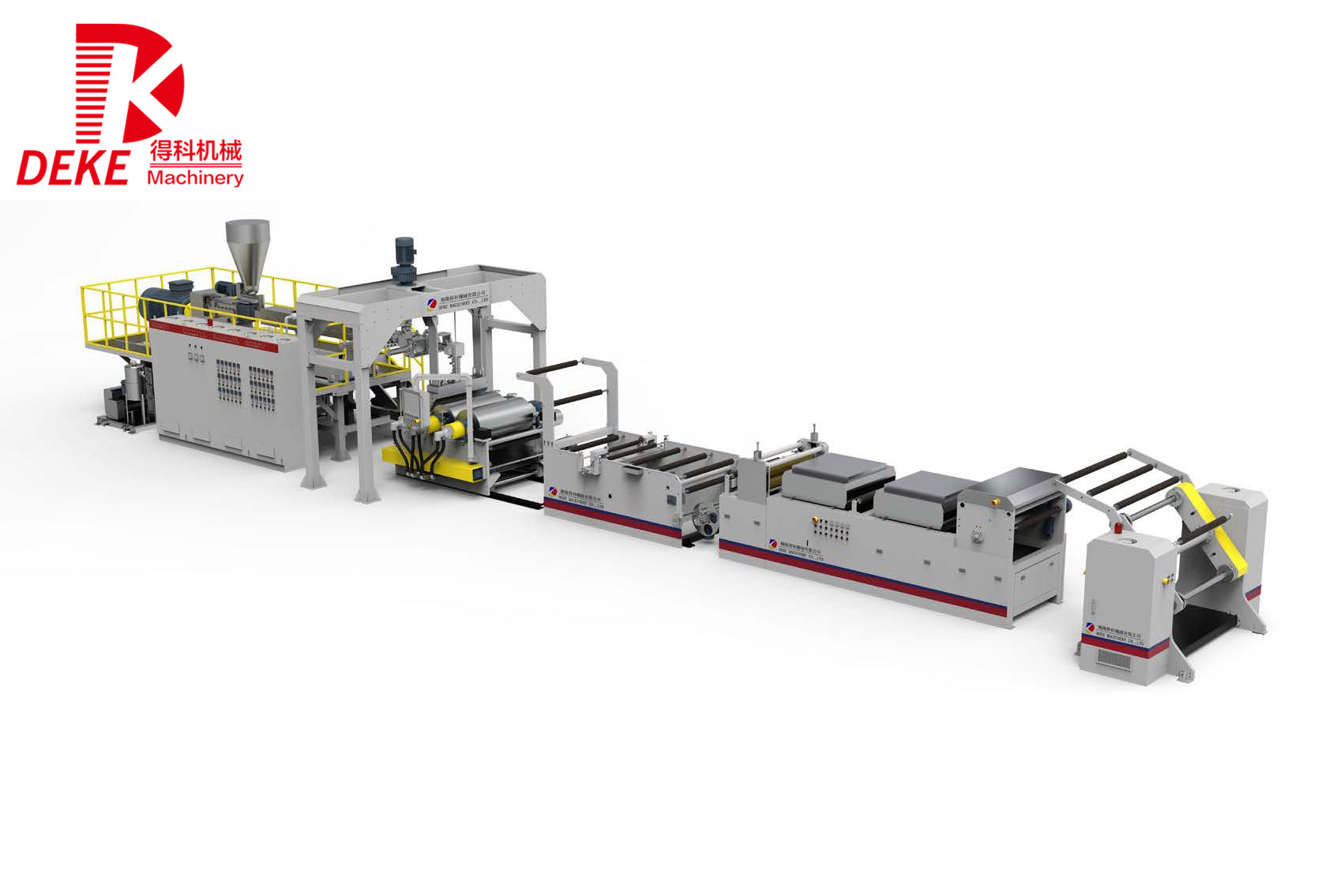
Troubleshooting Tips for Common PET Sheet Extruder Machine Problems
Table of Contents
- Introduction to PET Sheet Extrusion
- Identifying Common PET Sheet Extruder Machine Problems
- 1. Inconsistent Thickness in PET Sheets
- 2. Surface Defects on Extruded Sheets
- 3. Poor Adhesion Between Layers
- 4. Frequent Jam in the Extruder
- 5. Fluctuating Temperature Control
- Preventive Measures for Smooth Operations
- Conclusion
- Frequently Asked Questions
Introduction to PET Sheet Extrusion
Polyethylene Terephthalate (PET) sheets are widely used in various industries due to their excellent mechanical properties and versatility. The PET sheet extrusion process involves converting PET resin into thin sheets that serve multiple applications, including packaging, automotive parts, and structural components. However, like any machine, PET sheet extruders can face operational challenges. Understanding these challenges and knowing how to troubleshoot them is crucial for maintaining productivity and ensuring high-quality output.
Identifying Common PET Sheet Extruder Machine Problems
Successful PET sheet production hinges on the reliability of the extruder machine. Various factors can contribute to operational problems, ranging from material inconsistencies to machine wear and tear. Here, we delve into the most prevalent issues faced by PET sheet extruder operators and their effective troubleshooting techniques.
1. Inconsistent Thickness in PET Sheets
Inconsistent thickness is a prevalent issue in PET sheet extrusion. Variations can lead to substandard products and increased waste.
Causes
- **Die Alignment**: Misalignment of the die can lead to uneven thickness, causing the extruded sheet to vary in thickness.
- **Temperature Fluctuations**: Inconsistent heating can affect the viscosity of the PET, leading to thickness variations.
Solutions
- Ensure the die is correctly aligned and calibrated before starting production.
- Monitor and stabilize temperature settings throughout the extrusion process to maintain consistent viscosity.
2. Surface Defects on Extruded Sheets
Surface defects such as splay, bubbles, or discoloration can compromise the quality of PET sheets.
Causes
- **Moisture Content**: Excess moisture in the resin can lead to splay and bubbles on the surface of the extruded sheets.
- **Contaminants**: Foreign particles can cause surface imperfections.
Solutions
- Dry the PET resin thoroughly before feeding it into the extruder.
- Conduct regular inspections of the raw materials to ensure their cleanliness and quality.
3. Poor Adhesion Between Layers
In applications requiring multilayer PET sheets, poor adhesion between layers can lead to product failure.
Causes
- **Incompatible Materials**: Using materials that do not bond well can cause adhesion issues.
- **Insufficient Temperature**: Inadequate heating may not allow for proper bonding during extrusion.
Solutions
- Use compatible materials that are designed for multilayer applications.
- Optimize heating zones within the extruder to ensure sufficient thermal energy for layer adhesion.
4. Frequent Jam in the Extruder
Frequent jams can halt production and cause significant downtime.
Causes
- **Inadequate Material Flow**: Blockages or insufficient feed can lead to jams.
- **Wear and Tear**: Degraded screws and barrels can impede material movement.
Solutions
- Regularly inspect and clean the feeding system to ensure adequate material flow.
- Replace worn screws and barrels to maintain optimal performance.
5. Fluctuating Temperature Control
Temperature control is vital for the extrusion process. Fluctuations can result in inconsistent product quality.
Causes
- **Faulty Thermocouples**: Inaccurate temperature readings can mislead operators.
- **Heating Element Failure**: A malfunctioning heating element can lead to inadequate thermal regulation.
Solutions
- Regularly calibrate thermocouples to ensure accurate readings.
- Inspect and replace faulty heating elements to maintain consistent temperature control.
Preventive Measures for Smooth Operations
Implementing preventive measures can significantly reduce the likelihood of problems arising in the PET sheet extrusion process.
Regular Maintenance
Routine maintenance of the extruder machine is essential for optimal performance. Scheduled inspections can identify potential issues before they escalate.
Employee Training
Training staff on proper operation techniques and troubleshooting common issues can empower them to act quickly and efficiently.
Material Quality Assurance
Using high-quality PET resin and maintaining strict quality controls can mitigate many extrusion problems.
Conclusion
Troubleshooting common PET sheet extruder machine problems requires a keen understanding of the machine's mechanics and operational parameters. By identifying issues such as inconsistent thickness, surface defects, poor adhesion, frequent jams, and temperature fluctuations, operators can implement effective solutions. Regular maintenance, diligent monitoring of materials, and ongoing employee training are pivotal in ensuring smooth operations. Ultimately, addressing these challenges head-on not only enhances productivity but also reinforces the quality of the final products.
Frequently Asked Questions
1. What are the most common issues with PET sheet extruders?
The most common issues include inconsistent thickness, surface defects, poor adhesion between layers, frequent jams, and fluctuating temperature control.
2. How can I prevent surface defects in extruded PET sheets?
Prevent surface defects by ensuring that the PET resin is thoroughly dried and free from contaminants before the extrusion process.
3. Why does my PET sheet extruder frequently jam?
Frequent jams can be caused by inadequate material flow, blockages, or worn components such as screws and barrels.
4. How can I maintain consistent temperature control in my extruder?
Maintain consistent temperature control by regularly calibrating thermocouples and inspecting heating elements for functionality.
5. What preventive measures can I take to improve my PET sheet extrusion process?
Implementing regular maintenance, providing employee training, and ensuring high-quality materials can significantly enhance the extrusion process.
RELATED INFORMATION

Why Choose Conical Twin Screw for Your Next Extrusion Project?
Why Choose Conical Twin Screw for Your Next Extrusion Project? Understanding Extrusion Technology In the realm of **plastic processing**, extrusion is an essential manufacturing technique that transforms raw plastic materials into usable products. The **extrusion process** involves forcing molten plastic through a die to create continuous shapes like sheets, films, and profiles. With advancements
Understanding the Advantages of Counter Rotating Twin Screw Extruders for Plastic Processing
Counter rotating twin screw extruders are pivotal in the plastic processing industry, recognized for their versatility and efficiency. Unlike single screw extruders, twin screw extruders feature two intermeshing screws that rotate in opposite directions. This design allows for enhanced material handling and processing capabilities, making them suitable for a wide array of applications. One of the

Website

Copyright©Jieyang Deke Machinery Co., Ltd.