
Understanding PET Sheet Extruder Machines: A Key Component in Plastic Manufacturing
2025-04
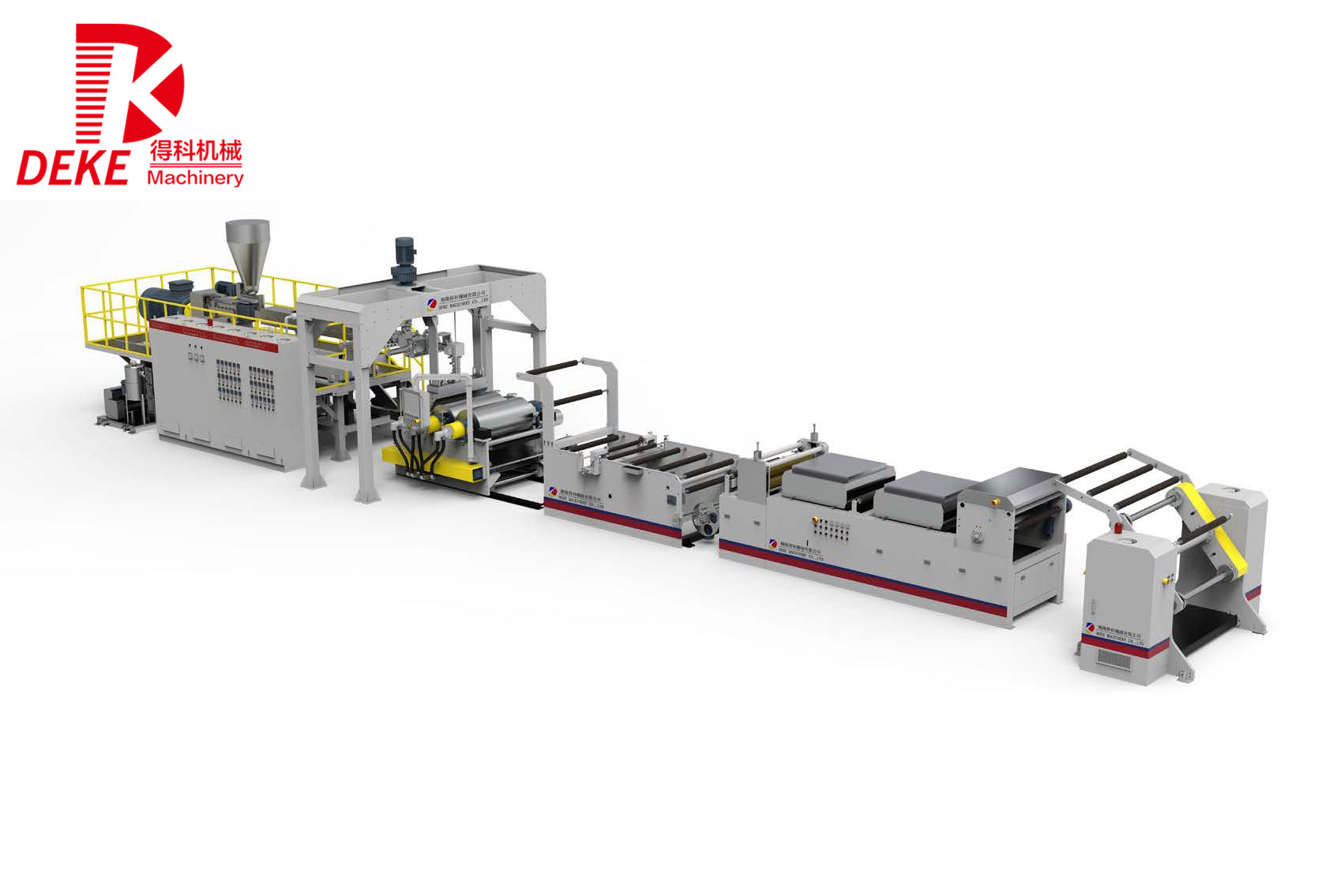
At its core, a PET sheet extruder machine consists of several key components: a hopper, extruder, die, cooling system, and winding unit. The process begins with feeding raw PET pellets into the hopper, where they are subjected to heat and pressure inside the extruder. The extruder melts the pellets and forces the molten material through a die, shaping it into a flat sheet. This sheet then undergoes cooling, solidifying into the desired thickness and properties before being wound up for further processing or distribution.
One of the primary advantages of PET sheet extruder machines is their ability to produce sheets with excellent clarity and dimensional stability. This makes them ideal for applications that require high optical quality, such as packaging for food products and electronic devices. Additionally, PET sheets exhibit good chemical resistance, making them suitable for industries that handle various substances without compromising the integrity of the material.
Another significant benefit of using a PET sheet extruder machine is the environmental aspect. PET is 100% recyclable, and the use of recycled PET pellets can further reduce production costs and environmental impact. Manufacturers that invest in this technology not only meet sustainability goals but also cater to the growing consumer demand for eco-friendly products.
Furthermore, the versatility of PET sheet extruder machines allows for customization. By adjusting the processing parameters, manufacturers can create sheets with varying thicknesses, colors, and finishes, catering to specific customer requirements. This customization capability expands the market reach and offers competitive advantages.
In summary, the PET sheet extruder machine is a vital asset in the plastic manufacturing industry. It enables the efficient production of high-quality PET sheets that are not only versatile and durable but also environmentally friendly. For professionals in the field, understanding the operation and benefits of these machines can lead to informed decisions that enhance productivity and sustainability in their manufacturing processes. As the demand for PET products continues to rise, investing in advanced PET sheet extruder technology will be essential for staying competitive in this dynamic industry.
RELATED INFORMATION

Why Choose Conical Twin Screw for Your Next Extrusion Project?
Why Choose Conical Twin Screw for Your Next Extrusion Project? Understanding Extrusion Technology In the realm of **plastic processing**, extrusion is an essential manufacturing technique that transforms raw plastic materials into usable products. The **extrusion process** involves forcing molten plastic through a die to create continuous shapes like sheets, films, and profiles. With advancements
Understanding the Advantages of Counter Rotating Twin Screw Extruders for Plastic Processing
Counter rotating twin screw extruders are pivotal in the plastic processing industry, recognized for their versatility and efficiency. Unlike single screw extruders, twin screw extruders feature two intermeshing screws that rotate in opposite directions. This design allows for enhanced material handling and processing capabilities, making them suitable for a wide array of applications. One of the

Website

Copyright©Jieyang Deke Machinery Co., Ltd.