
Understanding PET Sheet Extruders: Revolutionizing Plastic Processing
2025-05
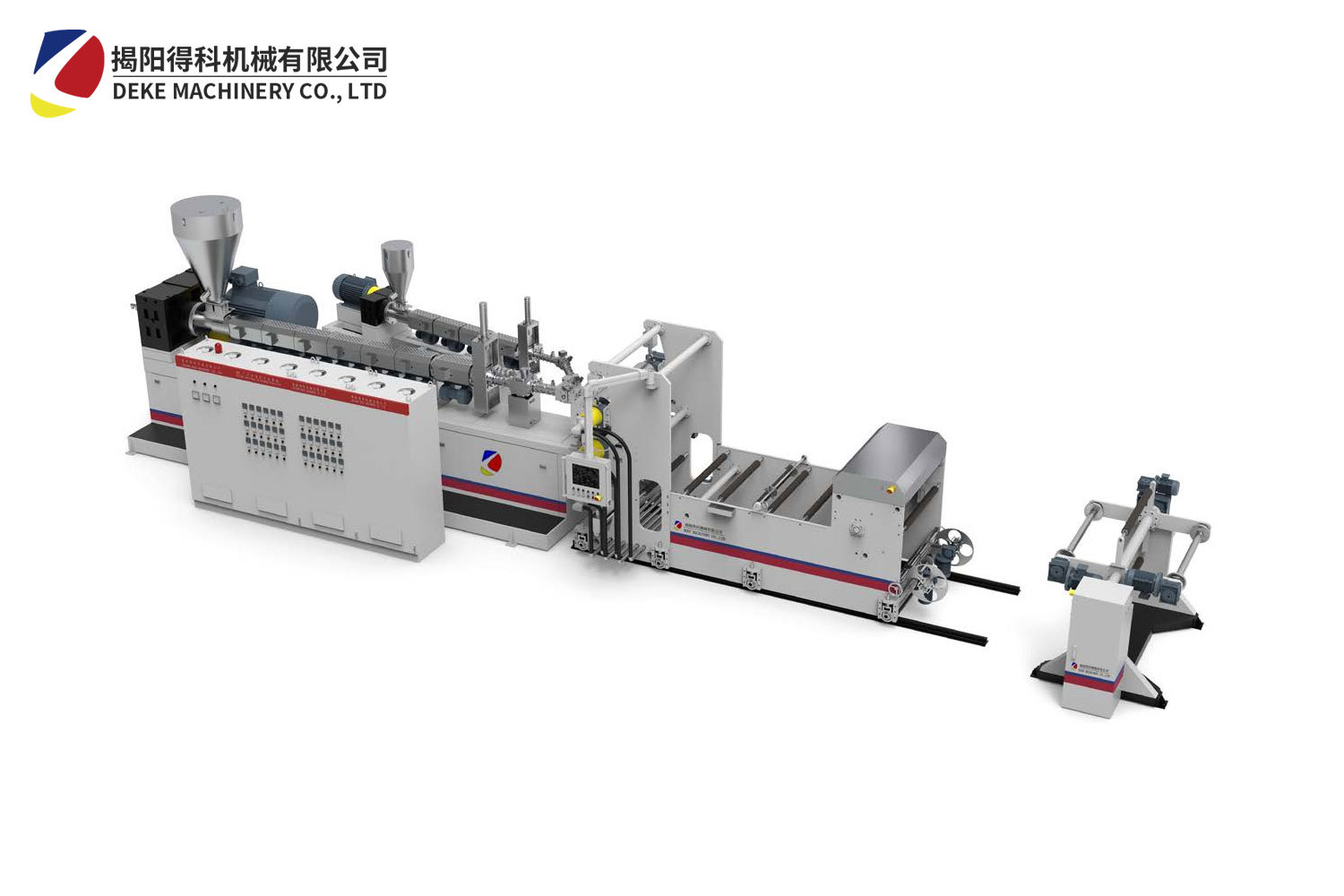
The operation of a PET sheet extruder involves several key components. Firstly, the single or twin screw extruder is responsible for feeding the PET granules into the melting chamber, where they are heated to their processing temperature. The design of the screw plays a crucial role in ensuring uniform melting and mixing of the resin, as well as facilitating the proper flow of the molten material toward the die. The die shapes the melted PET into flat sheets, which are then cooled and solidified.
One of the significant advantages of using a PET sheet extruder is the ability to produce sheets with customizable thickness and width, catering to a wide array of industrial needs. Furthermore, PET sheets are renowned for their excellent clarity, rigidity, and barrier properties, making them ideal for applications such as transparent packaging materials and food safety applications. The extruder can also be equipped with additional features, such as inline coating or lamination processes, allowing manufacturers to enhance the properties of the final product.
Another important aspect of PET sheet extrusion is its environmental impact. PET is a recyclable material, which means that the use of PET sheet extruders can contribute to sustainability efforts within the plastic industry. By recycling PET waste and reprocessing it into new sheets, manufacturers can reduce their reliance on virgin materials and minimize waste, making the process more environmentally friendly.
Moreover, advancements in technology have led to the development of more energy-efficient PET sheet extruders. These modern machines not only reduce energy consumption but also improve production speeds and product quality. Manufacturers can benefit from these innovations by increasing their efficiency and lowering operational costs, all while maintaining high standards of product performance.
In conclusion, PET sheet extruders are vital machinery in the plastic processing sector, offering versatility, efficiency, and sustainability. By understanding their operation and benefits, industry professionals can make informed decisions about integrating these machines into their production lines, ultimately enhancing their business operations and contributing to a more sustainable future in plastic manufacturing.
RELATED INFORMATION

Why Choose Conical Twin Screw for Your Next Extrusion Project?
Why Choose Conical Twin Screw for Your Next Extrusion Project? Understanding Extrusion Technology In the realm of **plastic processing**, extrusion is an essential manufacturing technique that transforms raw plastic materials into usable products. The **extrusion process** involves forcing molten plastic through a die to create continuous shapes like sheets, films, and profiles. With advancements
Understanding the Advantages of Counter Rotating Twin Screw Extruders for Plastic Processing
Counter rotating twin screw extruders are pivotal in the plastic processing industry, recognized for their versatility and efficiency. Unlike single screw extruders, twin screw extruders feature two intermeshing screws that rotate in opposite directions. This design allows for enhanced material handling and processing capabilities, making them suitable for a wide array of applications. One of the

Website

Copyright©Jieyang Deke Machinery Co., Ltd.