
Exploring the Advantages of Using PET Sheet Extruders in Your Production Line
2025-05
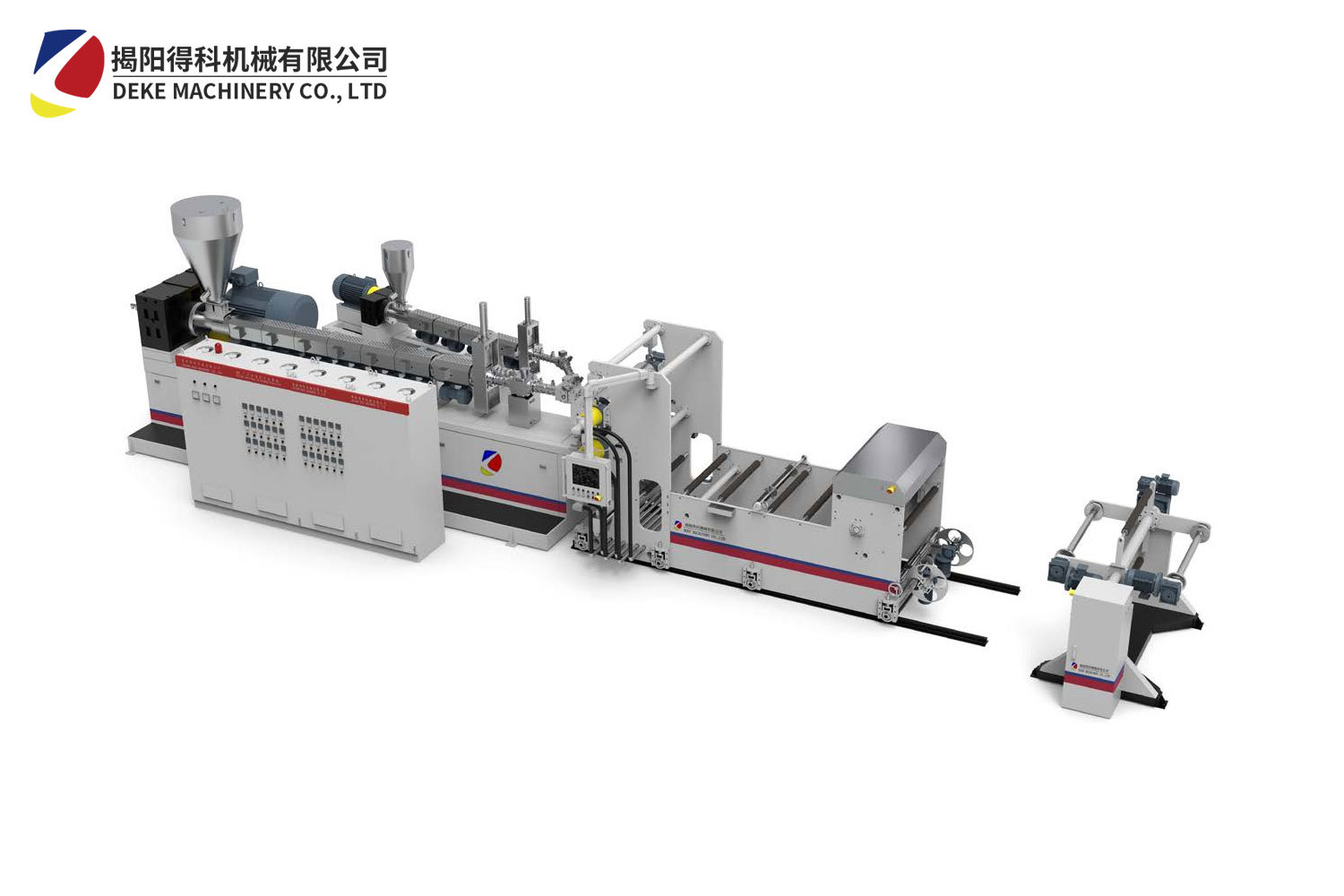
Exploring the Advantages of Using PET Sheet Extruders in Your Production Line
Table of Contents
- Introduction to PET Sheet Extruders
- What is PET and Its Importance in Manufacturing?
- How Do PET Sheet Extruders Work?
- Advantages of Using PET Sheet Extruders
- 1. Enhanced Production Efficiency
- 2. Cost-Effectiveness and ROI
- 3. Sustainability and Environmental Benefits
- 4. Versatility in Applications
- 5. Improved Product Quality
- Choosing the Right PET Sheet Extruder for Your Production Line
- Maintenance Tips for PET Sheet Extruders
- Case Studies: Success Stories with PET Sheet Extruders
- Frequently Asked Questions
- Conclusion
Introduction to PET Sheet Extruders
In the ever-evolving landscape of manufacturing, **polyethylene terephthalate (PET)** sheet extruders have emerged as vital tools for producing high-quality plastic sheets. These machines are designed to melt and extrude PET resin into sheets that can be used for a variety of applications, ranging from packaging to industrial components. Understanding the advantages of incorporating PET sheet extruders into your production line can lead to increased efficiency, reduced costs, and improved product quality.
What is PET and Its Importance in Manufacturing?
PET is a thermoplastic polymer widely used in the manufacturing of plastic products. Its properties, such as **durability, lightweight nature, and recyclability**, make it an ideal choice for various applications. The plastic can withstand high temperatures, making it suitable for food and beverage packaging, automotive parts, and even textiles.
**The significance of PET in manufacturing** lies in its ability to provide cost-effective solutions while minimizing environmental impact. As industries shift toward sustainable practices, PET’s recyclability positions it as a leader in eco-friendly materials.
How Do PET Sheet Extruders Work?
Understanding the operation of PET sheet extruders is crucial for manufacturers looking to optimize their production lines. The process begins with feeding PET resin pellets into the extruder. Here’s a breakdown of how these machines function:
- **Feeding**: The PET pellets are loaded into a hopper, where they are gravity-fed into the extruder barrel.
- **Melting**: As the pellets move through the barrel, they are subjected to heat and pressure. This process melts the PET, transforming it from solid pellets into a viscous liquid.
- **Extrusion**: The molten PET is forced through a die that shapes it into sheets. The thickness and width of the sheets can be adjusted according to specific requirements.
- **Cooling**: After extrusion, the sheets are cooled, typically by passing them through a cooling system that helps solidify the material.
- **Trimming and Cutting**: Once cooled, the sheets are trimmed to the desired dimensions and cut into manageable sizes for packaging or further processing.
With a comprehensive understanding of how PET sheet extruders operate, manufacturers can more effectively integrate these machines into their workflow.
Advantages of Using PET Sheet Extruders
Integrating PET sheet extruders into a production line offers a multitude of advantages that enhance overall performance and product quality. Below are several key benefits:
1. Enhanced Production Efficiency
Production efficiency is paramount in any manufacturing environment. PET sheet extruders are designed for high output, allowing manufacturers to produce large quantities of sheets in a shorter time frame. The continuous nature of the extrusion process minimizes downtime and maximizes productivity. Automated features in modern extruders further streamline operations, reducing the need for manual intervention and enabling operators to focus on quality control.
2. Cost-Effectiveness and ROI
The initial investment in PET sheet extruders can yield significant cost savings over time. The efficiency of these machines leads to a lower cost per unit, enabling manufacturers to offer competitive pricing while maintaining profit margins. Additionally, the durability of PET sheets means that products have a longer lifespan, reducing the costs associated with replacements.
Moreover, the ability to recycle PET contributes to cost savings. Many manufacturers can reclaim scrap materials generated during production, further improving the return on investment (ROI).
3. Sustainability and Environmental Benefits
Sustainability is a crucial factor in today’s manufacturing landscape. PET is highly recyclable, and incorporating PET sheet extruders into a production line allows manufacturers to contribute to environmental conservation. By utilizing recycled PET (rPET), businesses can reduce their carbon footprint and support circular economy practices. Moreover, the energy efficiency of modern extruders minimizes the environmental impact associated with manufacturing.
4. Versatility in Applications
PET sheets produced by extruders can be used in various applications, highlighting their versatility. These sheets are suitable for:
- **Packaging**: PET sheets are commonly used in food and beverage packaging due to their safety and durability.
- **Signage**: The clarity and strength of PET sheets make them ideal for indoor and outdoor signage.
- **Medical devices**: PET’s resistance to chemicals and high temperatures makes it suitable for medical packaging.
- **Construction**: PET sheets can be used in glazing and protective barriers.
This versatility allows manufacturers to diversify their product offerings, tapping into various markets and responding to changing consumer demands.
5. Improved Product Quality
Quality is a crucial aspect of any manufacturing process. PET sheet extruders ensure consistent thickness, clarity, and durability of the sheets produced. Advanced technologies allow for precise control over the extrusion process, enabling manufacturers to meet stringent quality standards. High-quality PET sheets enhance the final product’s performance and aesthetics, leading to increased customer satisfaction.
Choosing the Right PET Sheet Extruder for Your Production Line
Selecting the appropriate PET sheet extruder is essential for maximizing production efficiency and ensuring product quality. Factors to consider when choosing an extruder include:
- **Output capacity**: Assess the anticipated production volume to determine the required output capacity of the extruder.
- **Material compatibility**: Ensure the extruder can handle the specific types of PET resin you intend to use.
- **Automation features**: Look for extruders with advanced control systems and automation capabilities to minimize labor costs and improve consistency.
- **Maintenance requirements**: Evaluate the maintenance needs of the extruder to ensure it aligns with your operational capabilities.
By carefully considering these factors, manufacturers can select the best PET sheet extruder for their specific needs.
Maintenance Tips for PET Sheet Extruders
Proper maintenance is crucial to ensure the longevity and efficiency of PET sheet extruders. Here are some essential maintenance tips:
- **Regular Cleaning**: Keep the extruder clean to prevent contamination of the PET sheets and maintain product quality.
- **Lubrication**: Regularly lubricate moving parts to ensure smooth operation and prevent wear and tear.
- **Temperature Checks**: Monitor the temperature settings frequently to ensure optimal melting and extrusion conditions.
- **Inspect Components**: Regularly inspect screws, barrels, and dies for wear and replace them as needed to maintain efficiency.
- **Follow Manufacturer Guidelines**: Adhere to the maintenance schedule and practices outlined in the extruder’s manual.
Consistent maintenance not only prolongs the life of the extruder but also ensures high-quality output.
Case Studies: Success Stories with PET Sheet Extruders
Many manufacturers have successfully integrated PET sheet extruders into their production lines, resulting in significant benefits. Here are a few notable examples:
- **Case Study 1**: A leading packaging company implemented a PET sheet extruder, resulting in a 30% increase in production efficiency. By switching to PET, they also reduced their material costs significantly.
- **Case Study 2**: An automotive parts manufacturer adopted PET sheet extruders to create lightweight components. This shift not only improved product performance but also enhanced fuel efficiency in vehicles.
- **Case Study 3**: A medical device company utilized PET sheets for packaging, ensuring compliance with industry regulations while promoting sustainability through the use of recycled materials.
These case studies illustrate the transformative impact of PET sheet extruders on various industries.
Frequently Asked Questions
1. What is the lifespan of a PET sheet extruder?
The lifespan of a PET sheet extruder can vary based on maintenance practices, usage, and the quality of the machine. With proper care, extruders can last many years.
2. Can PET sheets be recycled?
Yes, PET sheets are highly recyclable, and many manufacturers utilize recycled PET in their production processes.
3. What industries benefit the most from PET sheet extruders?
Industries such as packaging, automotive, medical, and construction significantly benefit from using PET sheet extruders due to their versatility.
4. How does the automation level affect production efficiency?
Higher automation levels reduce manual labor and human error, leading to increased production efficiency and consistency in product quality.
5. Are there any disadvantages to using PET sheet extruders?
While PET sheet extruders offer numerous advantages, they may require substantial initial investment and ongoing maintenance costs. However, the long-term benefits often outweigh these drawbacks.
Conclusion
Incorporating PET sheet extruders into your production line presents a myriad of advantages, including enhanced efficiency, cost-effectiveness, sustainability, versatility, and improved product quality. By understanding how these machines operate and their benefits, manufacturers can make informed decisions that enhance their production capabilities. As industries continue to evolve, leveraging innovative technologies like PET sheet extruders will be essential for staying competitive and meeting the demands of an increasingly eco-conscious market.
RELATED INFORMATION

Why Choose Conical Twin Screw for Your Next Extrusion Project?
Why Choose Conical Twin Screw for Your Next Extrusion Project? Understanding Extrusion Technology In the realm of **plastic processing**, extrusion is an essential manufacturing technique that transforms raw plastic materials into usable products. The **extrusion process** involves forcing molten plastic through a die to create continuous shapes like sheets, films, and profiles. With advancements
Understanding the Advantages of Counter Rotating Twin Screw Extruders for Plastic Processing
Counter rotating twin screw extruders are pivotal in the plastic processing industry, recognized for their versatility and efficiency. Unlike single screw extruders, twin screw extruders feature two intermeshing screws that rotate in opposite directions. This design allows for enhanced material handling and processing capabilities, making them suitable for a wide array of applications. One of the

Website

Copyright©Jieyang Deke Machinery Co., Ltd.