
What to Look for in High-Quality HDPE Sheet Extruders
2025-05
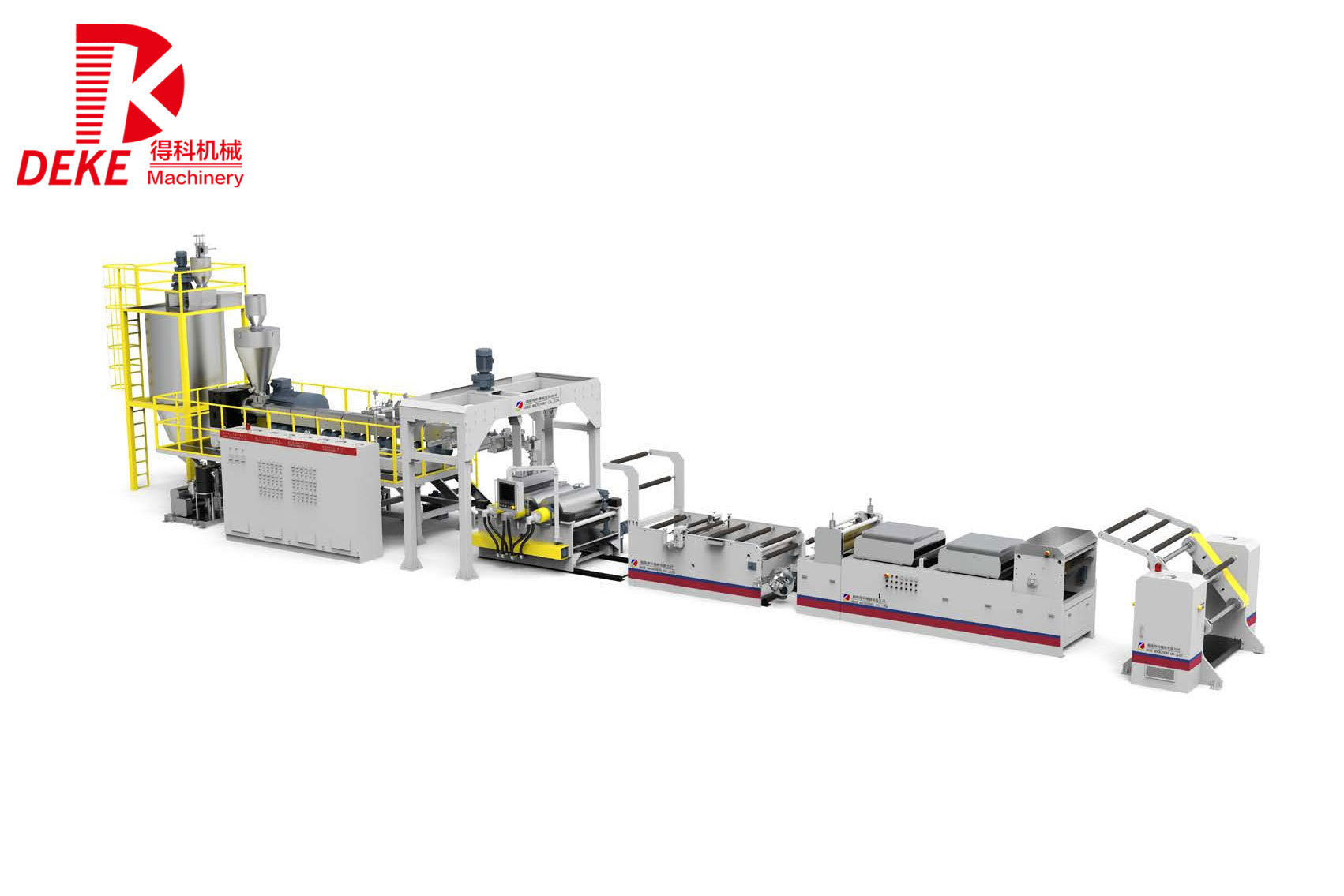
What to Look for in High-Quality HDPE Sheet Extruders
Manufacturing with **High-Density Polyethylene (HDPE)** requires precision and reliability, particularly when using **sheet extruders**. Selecting the right extruder can substantially influence the quality and efficiency of the production process. In this article, we will delve into the critical factors to consider when choosing high-quality HDPE sheet extruders, covering everything from design specifications to operational efficiency.
Table of Contents
1. Understanding HDPE Extrusion
2. Key Features of HDPE Sheet Extruders
- 2.1 Material Quality and Construction
- 2.2 Screw Design and Performance
- 2.3 Die Technology and Its Importance
3. Energy Efficiency and Cost-Effectiveness
4. Automation and Control Systems
5. Maintenance and Reliability
6. Safety Features in HDPE Sheet Extruders
7. Evaluating Extruder Performance
8. Conclusion
9. FAQs
Understanding HDPE Extrusion
Before diving into the specifics of HDPE sheet extruders, it is essential to understand the **extrusion process** itself. Extrusion is a manufacturing process where material is melted and formed into a continuous profile. For HDPE, this involves heating the plastic to a specific temperature, allowing it to be shaped into sheets through a die. The quality of the extruder directly impacts the consistency, thickness, and overall quality of the sheet produced.
Key Features of HDPE Sheet Extruders
To make an informed choice regarding HDPE sheet extruders, it is vital to look for key features that enhance performance and reliability.
Material Quality and Construction
The **material quality** of the extruder itself plays a crucial role in its longevity and performance. High-quality extruders are typically constructed from durable materials that resist wear and tear, such as stainless steel or high-strength alloys. Ensure that the components, especially the barrel and screw, are made from materials that can withstand the high temperatures and pressures involved in the extrusion process.
Screw Design and Performance
The **screw design** is pivotal to the extrusion process. A well-designed screw facilitates effective melting and mixing of HDPE pellets, ensuring uniformity and reducing the risk of degradation. Look for features such as:
- **Barrier screws**: These help in reducing melt temperature and enhancing mixing.
- **Compression ratios**: A higher compression ratio can lead to better mixing but may require more energy. Evaluate whether the screw design aligns with your production needs.
Die Technology and Its Importance
The **die** attached to the extruder shapes the melted HDPE into sheets. Innovative die technologies, such as **profile dies** and **cascade dies**, offer greater control over thickness and surface finish. A high-quality die ensures that the HDPE sheets produced are uniform and free of defects. Consider extruders that allow easy die changeovers for versatility in production.
Energy Efficiency and Cost-Effectiveness
In today’s economy, **energy efficiency** is more critical than ever. Look for HDPE sheet extruders designed for optimal energy consumption without compromising performance. Some features to consider include:
- **Variable frequency drives (VFDs)**: These can adjust motor speed based on production needs, leading to energy savings.
- **Insulated heating elements**: They minimize heat loss, improving overall energy efficiency.
Investing in energy-efficient equipment can lead to long-term cost savings, making it a critical factor in your decision-making process.
Automation and Control Systems
Modern HDPE sheet extruders often come equipped with advanced **automation and control systems**. These systems enhance operational efficiency by providing real-time monitoring and control of the extrusion process. Key features to look for include:
- **Touchscreen interfaces**: These allow operators to easily adjust settings and monitor performance.
- **Automated shutdown systems**: These enhance safety by shutting down the machine in case of malfunction.
Automation not only improves productivity but also reduces the likelihood of human error during operation.
Maintenance and Reliability
The **maintainability** of an extruder is a crucial factor that impacts its long-term reliability. Choose models that feature:
- **Modular components**: These can simplify repairs and replacements, reducing downtime.
- **Lubrication systems**: Automatic lubrication can prolong the lifespan of critical components and reduce maintenance frequency.
A reliable extruder can significantly enhance production capacity and ensure consistent quality over time.
Safety Features in HDPE Sheet Extruders
Safety should never be compromised in manufacturing environments. High-quality HDPE sheet extruders incorporate various safety features, such as:
- **Emergency stop buttons**: These allow operators to quickly shut down the machine in emergencies.
- **Safety guards**: Proper guards protect operators from moving parts and potential hazards.
Choose extruders that prioritize safety, ensuring a secure working environment for all personnel.
Evaluating Extruder Performance
To determine the performance of HDPE sheet extruders, it’s essential to evaluate several key performance indicators (KPIs):
- **Throughput**: Measure the volume of HDPE produced over a specific period.
- **Melt temperature consistency**: Consistent melt temperatures contribute to product quality.
- **Defect rates**: Monitor the rate of defects in produced sheets to ensure quality assurance.
Regularly evaluating these performance metrics will help maintain production efficiency and product quality over time.
Conclusion
Choosing a high-quality HDPE sheet extruder is essential for any manufacturer looking to produce superior plastic sheets efficiently. By considering the various factors outlined in this article, such as material quality, screw design, die technology, energy efficiency, automation, maintenance, safety features, and performance evaluation, you can make an informed decision that will benefit your production needs for years to come. Investing in the right extruder not only enhances operational efficiency but also ensures product consistency and quality, positioning your business for success in the competitive plastics manufacturing industry.
FAQs
1. **What is the role of screw design in an HDPE extruder?**
The screw design is crucial for effective melting and mixing of HDPE pellets, impacting product uniformity and quality.
2. **How can I ensure energy efficiency in my HDPE sheet extruder?**
Look for features like variable frequency drives and insulated heating elements that optimize energy consumption.
3. **What maintenance practices should I follow for my extruder?**
Regular inspections, lubrication of moving parts, and timely replacement of worn components are essential for maintaining extruder performance.
4. **Why is die technology important in extruders?**
Die technology impacts the thickness and surface finish of the produced sheets, affecting overall product quality and production efficiency.
5. **What safety features should I look for in an HDPE sheet extruder?**
Key safety features include emergency stop buttons, safety guards, and automated shutdown systems to protect operators from hazards.
By following these guidelines, manufacturers can select the right HDPE sheet extruder, ensuring high-quality output and efficient production processes.
Previous Page:
RELATED INFORMATION

Why Choose Conical Twin Screw for Your Next Extrusion Project?
Why Choose Conical Twin Screw for Your Next Extrusion Project? Understanding Extrusion Technology In the realm of **plastic processing**, extrusion is an essential manufacturing technique that transforms raw plastic materials into usable products. The **extrusion process** involves forcing molten plastic through a die to create continuous shapes like sheets, films, and profiles. With advancements
Understanding the Advantages of Counter Rotating Twin Screw Extruders for Plastic Processing
Counter rotating twin screw extruders are pivotal in the plastic processing industry, recognized for their versatility and efficiency. Unlike single screw extruders, twin screw extruders feature two intermeshing screws that rotate in opposite directions. This design allows for enhanced material handling and processing capabilities, making them suitable for a wide array of applications. One of the

Website

Copyright©Jieyang Deke Machinery Co., Ltd.