
Understanding HDPE Sheet Extruders: A Comprehensive Guide
2025-05
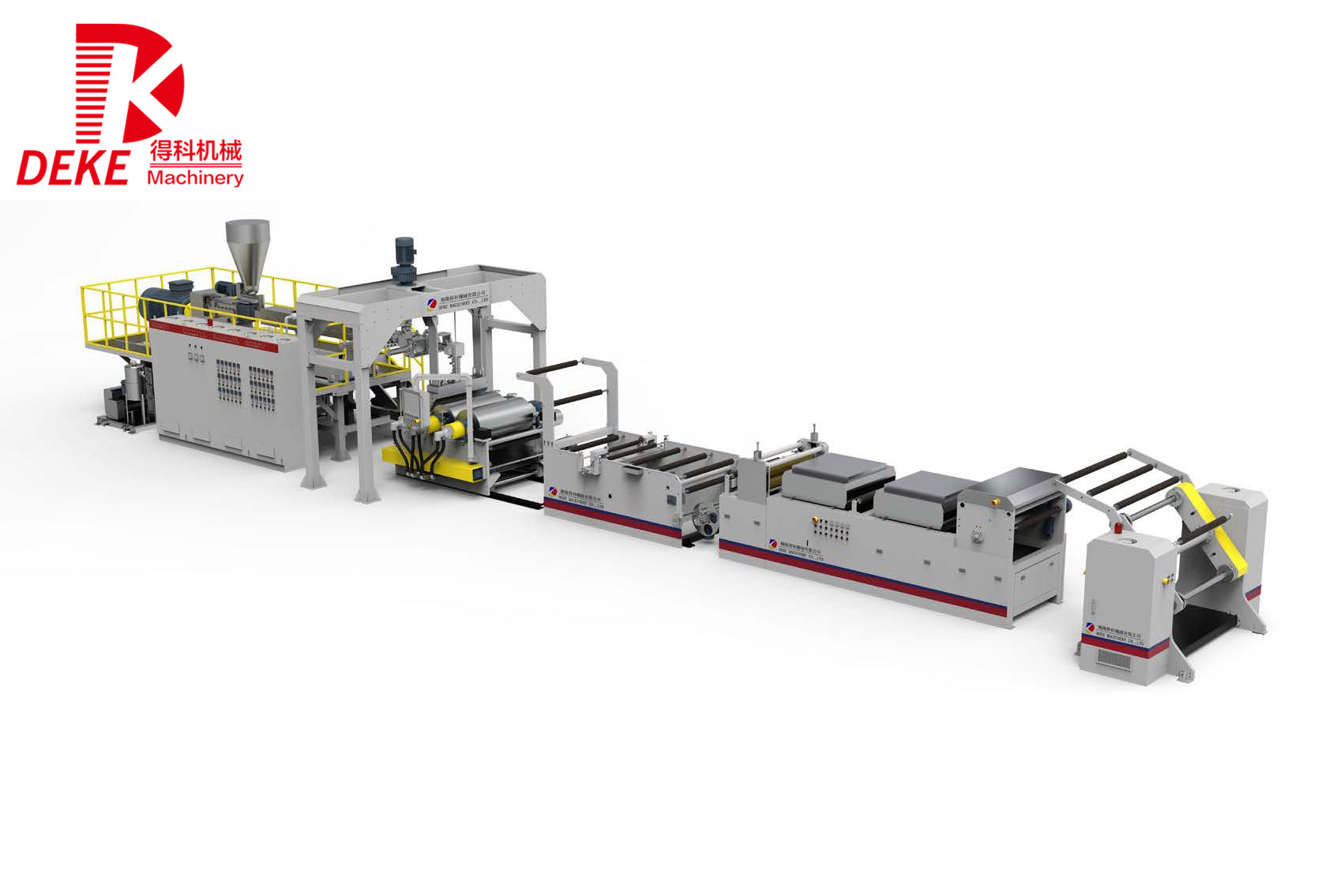
One of the primary advantages of using HDPE sheet extruders is their ability to create custom sheet sizes and thicknesses according to specific requirements. This flexibility allows manufacturers to cater to diverse applications, ranging from industrial uses to consumer products. HDPE sheets are widely utilized in packaging, signage, construction, and even in the food industry due to their safety and durability.
The extrusion process begins with feeding raw HDPE pellets into the extruder. As the pellets move through a heated barrel, they are gradually melted and mixed. The molten polymer is then forced through a specially designed die, which shapes it into sheets. Cooling rolls or water baths are employed to solidify the extruded sheets quickly, ensuring a smooth surface finish and uniform thickness. The entire process can be finely tuned to achieve specific material properties, such as clarity, strength, and flexibility.
Moreover, HDPE sheet extruders can be equipped with additional features to enhance production capabilities. For instance, integrating automated controls and real-time monitoring systems can significantly improve efficiency and reduce waste. These advancements prevent discrepancies in sheet thickness and quality, which are crucial for maintaining consistency across large production runs.
In addition to their operational benefits, HDPE sheet extruders also align with sustainability efforts. HDPE is recyclable, and the extrusion process can be designed to utilize recycled materials, thereby minimizing environmental impact. This aspect is particularly appealing to businesses that are committed to eco-friendly practices.
Overall, understanding HDPE sheet extruders is essential for those in the plastic processing industry. These machines not only enhance production efficiency but also provide opportunities for innovation in product development. By leveraging the advanced capabilities of HDPE sheet extruders, manufacturers can meet the evolving demands of various industries while contributing to sustainable practices in plastic production. Investing in the right extrusion technology can lead to significant improvements in both product quality and operational efficiency, ensuring a competitive edge in the marketplace.
Previous Page:
RELATED INFORMATION

Why Choose Conical Twin Screw for Your Next Extrusion Project?
Why Choose Conical Twin Screw for Your Next Extrusion Project? Understanding Extrusion Technology In the realm of **plastic processing**, extrusion is an essential manufacturing technique that transforms raw plastic materials into usable products. The **extrusion process** involves forcing molten plastic through a die to create continuous shapes like sheets, films, and profiles. With advancements
Understanding the Advantages of Counter Rotating Twin Screw Extruders for Plastic Processing
Counter rotating twin screw extruders are pivotal in the plastic processing industry, recognized for their versatility and efficiency. Unlike single screw extruders, twin screw extruders feature two intermeshing screws that rotate in opposite directions. This design allows for enhanced material handling and processing capabilities, making them suitable for a wide array of applications. One of the

Website

Copyright©Jieyang Deke Machinery Co., Ltd.