
The Advantages of Using HDPE in Your Extrusion Projects
2025-05
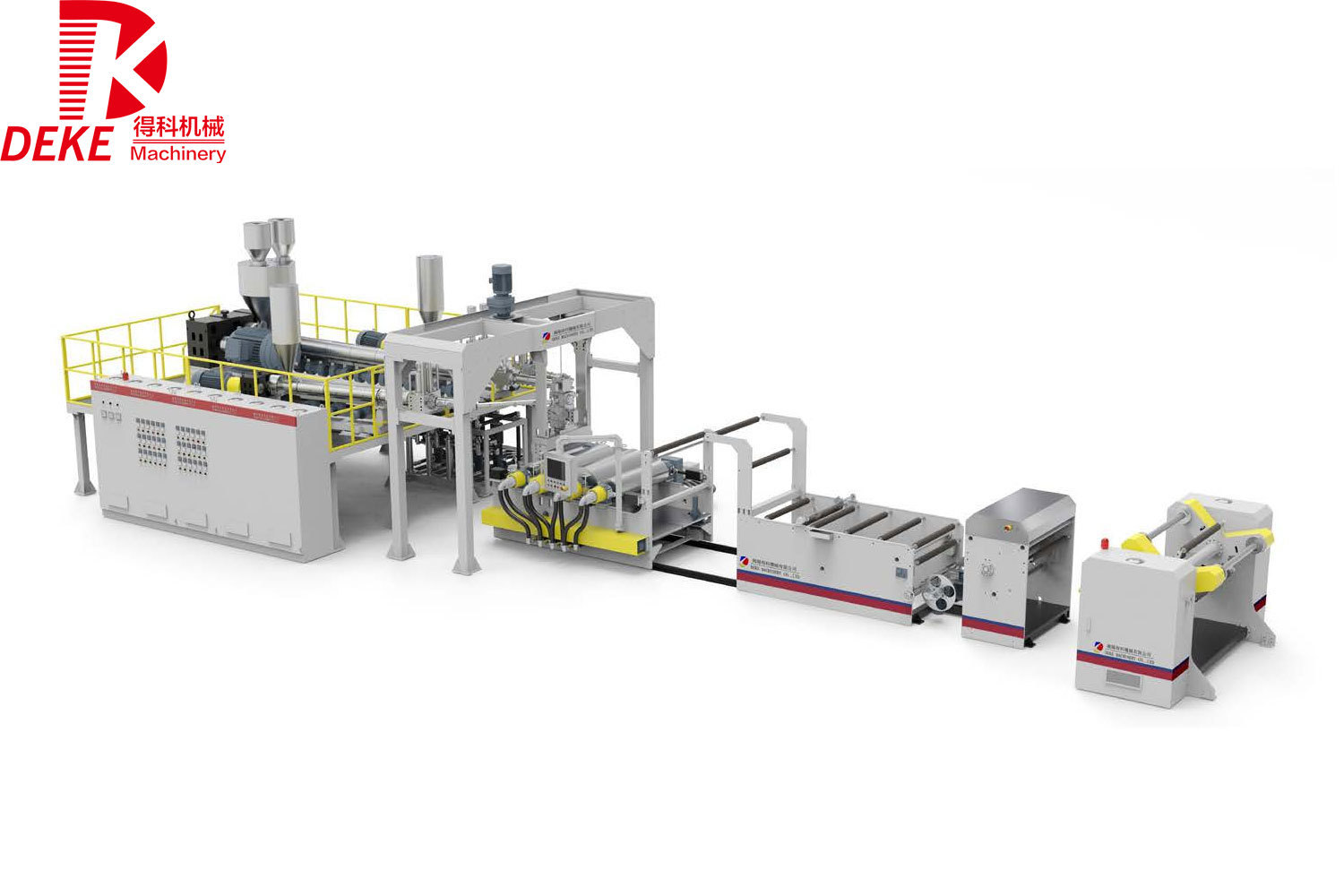
The Advantages of Using HDPE in Your Extrusion Projects
Table of Contents
- 1. Introduction to HDPE
- 2. What is Extrusion and Why HDPE?
- 3. Properties of HDPE
- 4. Applications of HDPE in Extrusion
- 5. Advantages of HDPE Over Other Materials
- 6. HDPE and Sustainability
- 7. Best Practices for HDPE Extrusion
- 8. FAQs About HDPE in Extrusion Projects
1. Introduction to HDPE
High-Density Polyethylene (HDPE) has emerged as a leading material in various industries, thanks to its unique properties that cater to diverse manufacturing processes. As a versatile thermoplastic polymer, HDPE finds extensive use in the plastic extrusion process. This article delves into the myriad advantages of using HDPE in extrusion projects, highlighting its benefits, applications, and best practices.
2. What is Extrusion and Why HDPE?
Extrusion is a manufacturing process that involves forcing material through a shaped opening, known as a die, to create continuous lengths of desired shapes. This technique is widely used for producing items such as pipes, sheets, and profiles.
HDPE is particularly suited for extrusion due to its excellent flow characteristics and high strength-to-density ratio. As a result, it produces components that are both lightweight and robust, making it a preferred choice for many manufacturers.
The Extrusion Process Explained
During the extrusion process, HDPE pellets or granules are heated until they melt and become workable. The melted material is then pushed through the die, forming the desired shape. Once cooled, the extruded product retains its form and structural integrity. The ability to create complex shapes with precision is a significant advantage of using HDPE in extrusion.
3. Properties of HDPE
Understanding the fundamental properties of HDPE is essential for recognizing its advantages in extrusion projects.
Durability and Strength
HDPE exhibits high tensile strength and impact resistance, making it durable under various conditions. This resilience is crucial for products that undergo mechanical stress.
Chemical Resistance
One of the standout features of HDPE is its excellent resistance to a wide range of chemicals. This characteristic is particularly beneficial for applications in the chemical industry, where exposure to corrosive substances is common.
Low Moisture Absorption
HDPE's low moisture absorption rate prevents degradation and ensures the longevity of extruded products, particularly in outdoor applications subjected to varying environmental conditions.
Lightweight
Despite its strength, HDPE is lightweight, which reduces transportation costs and simplifies handling during the manufacturing process.
4. Applications of HDPE in Extrusion
The versatility of HDPE allows it to be used in a wide array of applications, all benefiting from its unique properties.
Industrial Components
HDPE is used in the production of industrial components such as pipes, valves, and fittings. Its durability and chemical resistance make it an ideal choice in industrial settings.
Packaging Solutions
From containers to bottles, HDPE's lightweight nature and strength make it a popular choice for packaging. Its recyclability further enhances its appeal in the environmentally-conscious packaging industry.
Consumer Goods
Various consumer products, such as toys and household items, are manufactured using HDPE due to its safety and durability, making it suitable for items that may require frequent handling.
5. Advantages of HDPE Over Other Materials
When comparing HDPE to other materials commonly used in extrusion, several advantages emerge.
Cost-Effectiveness
HDPE is generally more affordable than many other plastics, making it a cost-effective choice for large-scale manufacturing.
Recyclability
HDPE is fully recyclable, which is a significant advantage over materials that may not have the same sustainability credentials. This aligns with the growing demand for eco-friendly products.
Enhanced Performance
Compared to materials like PVC or lower-density polyethylene, HDPE offers superior mechanical properties, ensuring that extruded products perform better under stress and last longer.
6. HDPE and Sustainability
As businesses increasingly focus on sustainability, HDPE stands out as an environmentally-friendly option.
Recycling Process
HDPE can be recycled multiple times without losing its beneficial properties. This means that products made from HDPE can be repurposed and reformed, significantly reducing waste.
Reducing Environmental Impact
Using HDPE reduces the reliance on new materials. Its recyclability contributes to a circular economy, ultimately lowering the environmental footprint associated with plastic production and disposal.
7. Best Practices for HDPE Extrusion
To maximize the advantages of using HDPE in extrusion, adhering to best practices is essential.
Temperature Control
Maintaining the correct temperature during the extrusion process is crucial for achieving optimal flow and preventing degradation of the material.
Die Design
Investing in well-designed dies can significantly enhance the quality of the extruded product, ensuring a uniform flow of HDPE and minimizing defects.
Regular Maintenance
Routine maintenance of extrusion equipment is vital for consistent performance. Regularly checking and servicing machines can prevent downtimes and ensure high quality.
8. FAQs About HDPE in Extrusion Projects
1. What is HDPE?
HDPE, or High-Density Polyethylene, is a thermoplastic polymer known for its high strength-to-density ratio and versatility in applications across multiple industries.
2. Why should I choose HDPE for my extrusion projects?
HDPE offers numerous advantages, including high durability, chemical resistance, lightweight properties, and cost-effectiveness, making it an ideal choice for various applications.
3. Is HDPE recyclable?
Yes, HDPE is fully recyclable. It can be reused multiple times without losing its properties, contributing to environmental sustainability.
4. What are common applications of HDPE in extrusion?
Common applications include industrial components like pipes and fittings, consumer goods, and packaging solutions.
5. How does HDPE compare to other materials like PVC?
HDPE generally offers better mechanical properties, is more cost-effective, and is fully recyclable compared to PVC, making it a preferred choice for many applications.
Conclusion
In conclusion, the advantages of using HDPE in your extrusion projects are extensive. Its durability, chemical resistance, lightweight nature, and recyclability make it an outstanding choice for various applications. By following best practices in the extrusion process and recognizing the unique properties of HDPE, manufacturers can enhance product quality and contribute to sustainable practices in the industry. Whether you are working on industrial components, consumer goods, or packaging solutions, HDPE stands out as a material that meets and exceeds expectations, paving the way for innovative and responsible manufacturing.
Previous Page:
RELATED INFORMATION

Why Choose Conical Twin Screw for Your Next Extrusion Project?
Why Choose Conical Twin Screw for Your Next Extrusion Project? Understanding Extrusion Technology In the realm of **plastic processing**, extrusion is an essential manufacturing technique that transforms raw plastic materials into usable products. The **extrusion process** involves forcing molten plastic through a die to create continuous shapes like sheets, films, and profiles. With advancements
Understanding the Advantages of Counter Rotating Twin Screw Extruders for Plastic Processing
Counter rotating twin screw extruders are pivotal in the plastic processing industry, recognized for their versatility and efficiency. Unlike single screw extruders, twin screw extruders feature two intermeshing screws that rotate in opposite directions. This design allows for enhanced material handling and processing capabilities, making them suitable for a wide array of applications. One of the

Website

Copyright©Jieyang Deke Machinery Co., Ltd.