
Understanding HDPE Sheet Extruders: Key Insights for Plastic Manufacturing Professionals
2025-05
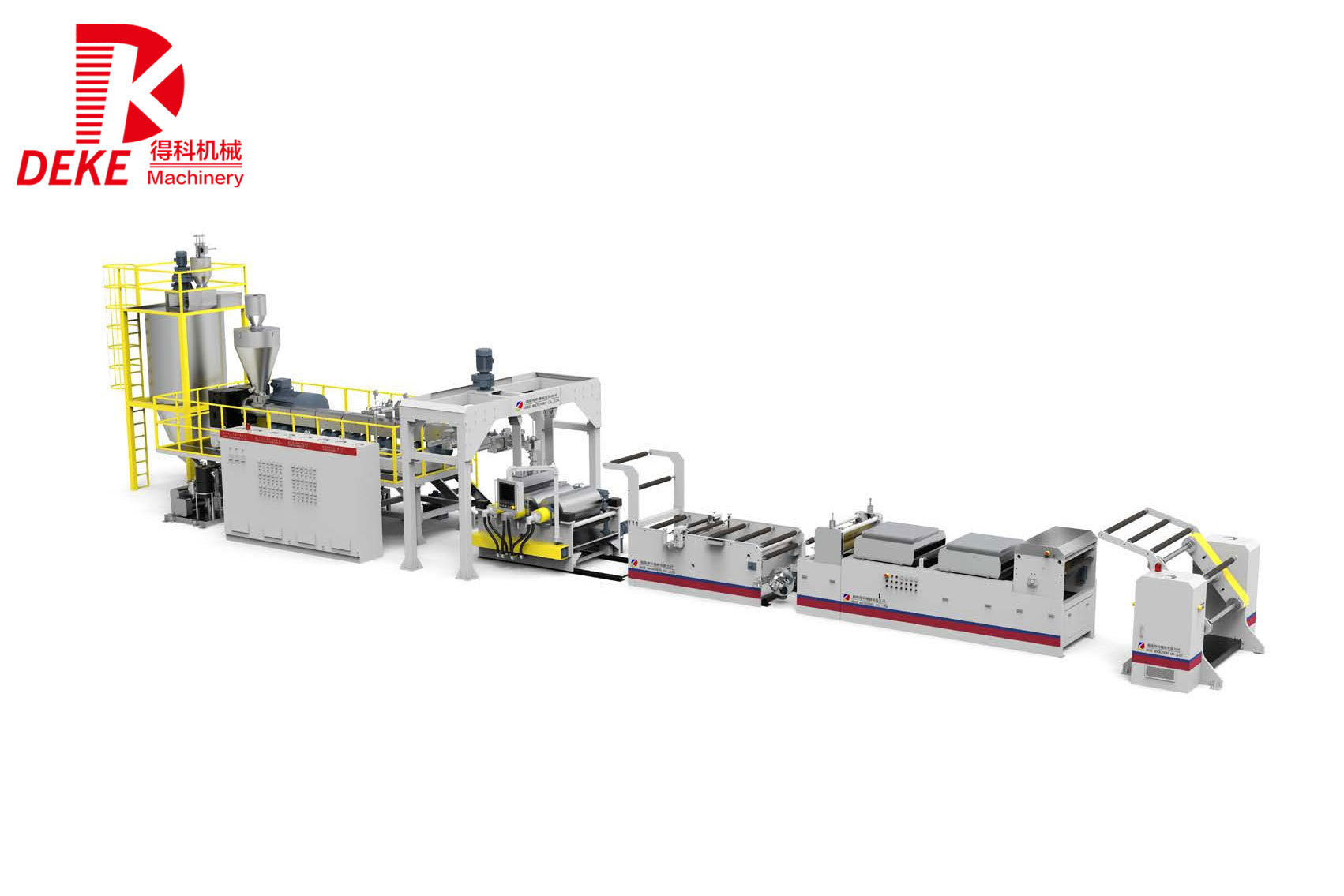
The extrusion process begins with the feeding of HDPE pellets into a hopper, where they are heated and melted in the extruder's barrel. The core components of an extruder include a screw, barrel, and die. The screw rotates, pushing the melted material through the extruder, while the die shapes it into a flat sheet. The thickness and width of the sheet can be controlled by adjusting the die settings and the extrusion speed.
One of the main advantages of using HDPE sheet extruders is their efficiency in producing large quantities of uniform sheets with excellent mechanical properties. This uniformity is crucial for applications where consistent quality is paramount, such as in the production of packaging materials and plastic parts. Additionally, HDPE sheets can be easily machined, welded, or thermoformed, allowing for versatile applications across different sectors.
Another key benefit of HDPE sheet extruders is their environmental impact. HDPE is recyclable, and many modern extrusion systems are designed to minimize energy consumption and waste. Incorporating recycled HDPE into the production process not only reduces material costs but also contributes to a more sustainable manufacturing approach. This is increasingly important as industries face pressure to adopt greener practices and reduce their carbon footprint.
In terms of market trends, the demand for HDPE sheets is on the rise due to their extensive use in various applications, from construction materials to medical devices. As industries continue to seek lightweight, durable, and cost-effective solutions, the role of HDPE sheet extruders will become even more vital. Understanding the intricacies of these machines can help manufacturers optimize their production processes and meet the evolving needs of their clients.
In conclusion, HDPE sheet extruders play a critical role in the plastic processing industry, offering efficient and versatile solutions for sheet production. By leveraging the benefits of HDPE, manufacturers can enhance their product offerings and ensure high-quality output that meets market demands. Whether you are involved in production, engineering, or quality control, a solid understanding of HDPE sheet extruders can elevate your operational capabilities and contribute to your business success.
Previous Page:
RELATED INFORMATION

Why Choose Conical Twin Screw for Your Next Extrusion Project?
Why Choose Conical Twin Screw for Your Next Extrusion Project? Understanding Extrusion Technology In the realm of **plastic processing**, extrusion is an essential manufacturing technique that transforms raw plastic materials into usable products. The **extrusion process** involves forcing molten plastic through a die to create continuous shapes like sheets, films, and profiles. With advancements
Understanding the Advantages of Counter Rotating Twin Screw Extruders for Plastic Processing
Counter rotating twin screw extruders are pivotal in the plastic processing industry, recognized for their versatility and efficiency. Unlike single screw extruders, twin screw extruders feature two intermeshing screws that rotate in opposite directions. This design allows for enhanced material handling and processing capabilities, making them suitable for a wide array of applications. One of the

Website

Copyright©Jieyang Deke Machinery Co., Ltd.