
The Science Behind Conical Screw Extruders: A Deep Dive
2025-05
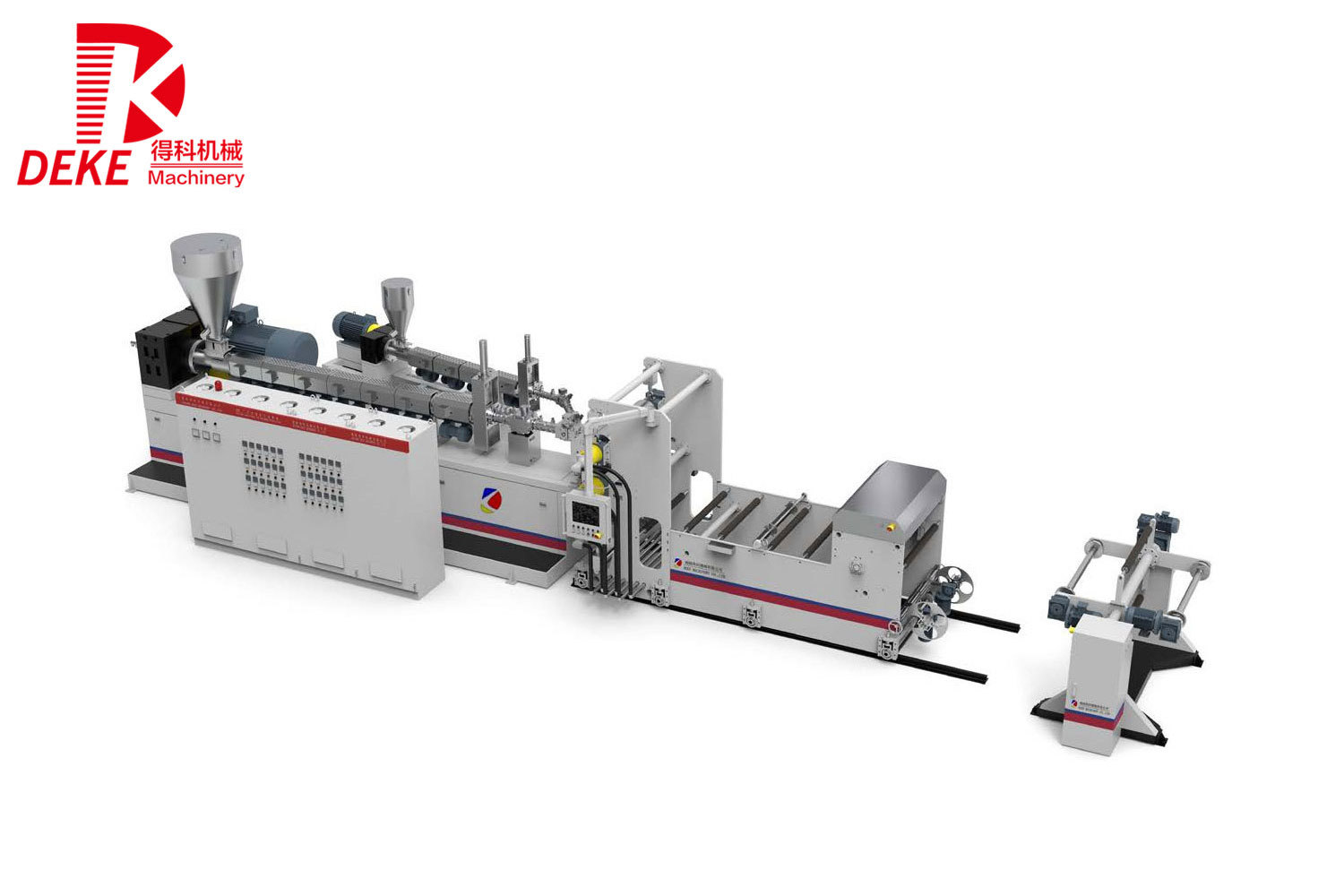
The Science Behind Conical Screw Extruders: A Deep Dive
Table of Contents
- Introduction to Conical Screw Extruders
- Understanding the Design and Structure
- How Conical Screw Extruders Work
- Advantages of Conical Screw Extruders
- Applications in Plastic Processing
- Maintenance and Operational Efficiency
- Troubleshooting Common Issues
- Future of Conical Screw Extruders
- Frequently Asked Questions (FAQs)
- Conclusion
Introduction to Conical Screw Extruders
Conical screw extruders represent a pivotal technology in the realm of plastic processing. Their unique design features a tapered screw that optimally transforms raw plastic materials into various forms. Unlike traditional parallel screw extruders, the **conical design** allows for enhanced mixing, melting, and pumping capabilities, which makes these machines particularly effective in processing complex polymer blends. This article delves into the science behind conical screw extruders, examining their design, operation, advantages, applications, and future trends.
Understanding the Design and Structure
The structural integrity and design of conical screw extruders are crucial to their operational efficiency. Typically, a standard conical screw extruder consists of two primary components: the **screw** and the **barrel**.
The Screw: A Key Component
The screw in a conical extruder features a **tapered geometry** that tapers from the feed zone to the metering zone. This design facilitates a gradual increase in pressure, which is essential for effective melting and mixing of the polymer. The screw's design also incorporates various **flight profiles** that influence material flow and mixing efficiency.
The Barrel: The Supporting Structure
The barrel houses the screw and is designed to withstand the high temperatures and pressures generated during operation. Constructed from robust materials, it often incorporates **heating and cooling elements** to maintain optimal processing temperatures. The barrel's design also facilitates easy access for maintenance and cleaning, ensuring longevity and reliability.
How Conical Screw Extruders Work
Understanding the operational mechanics of conical screw extruders involves analyzing their **three primary zones**: the feed zone, the melting zone, and the metering zone.
The Feed Zone: Introducing Raw Materials
In the feed zone, raw plastic materials are introduced into the extruder. This area is designed to accommodate various forms of feedstock, including **pellets, powders, and flakes**. The tapered design allows gravity to assist in guiding materials towards the melting zone.
The Melting Zone: Transforming Solids into Liquids
As materials progress into the melting zone, they encounter increasing temperatures due to the heating elements along the barrel. The tapered geometry of the screw ensures that materials are subjected to **higher shear forces**, facilitating the transition from solid to molten state. Adequate mixing occurs in this zone, which is critical for producing a homogeneous melt.
The Metering Zone: Preparing for Extrusion
In the metering zone, the melt is prepared for extrusion. This area has a consistent pressure and temperature, ensuring a uniform flow of material. The design of the screw in this section is typically characterized by **longer flight lengths** to maintain adequate pressure for effective extrusion.
Advantages of Conical Screw Extruders
Conical screw extruders come with numerous advantages that make them a preferred choice in the plastic processing industry.
Enhanced Mixing Capabilities
The unique design of conical screws promotes superior mixing of materials, including additives and colorants. This is particularly beneficial in applications where **color matching** and consistent material properties are critical.
Improved Thermal Management
The tapered structure aids in better heat transfer, allowing for more efficient melting of polymers. This results in reduced energy consumption and enhances overall productivity.
Reduced Residence Time
Due to their design, conical screw extruders typically have a shorter residence time for materials compared to their parallel counterparts. This is advantageous for thermally sensitive materials that may degrade if exposed to excessive heat for prolonged periods.
Applications in Plastic Processing
Conical screw extruders find applications across various sectors within plastic processing.
Compounding and Blending
Conical extruders are extensively used for compounding and blending different polymers and additives, enabling manufacturers to achieve specific material properties while maintaining cost-effectiveness.
Sheet and Film Extrusion
The ability to produce high-quality films and sheets makes conical screw extruders invaluable in the packaging and film industries. Their consistent output and precise control over material properties allow for the production of specialized films.
Profile and Pipe Extrusion
In the construction and plumbing industries, conical extruders are employed to create profiles and pipes. Their precise control over dimensions and adaptability to various materials makes them suitable for these applications.
Maintenance and Operational Efficiency
To maintain optimal performance, conical screw extruders require regular maintenance and monitoring.
Routine Maintenance Practices
Implementing a preventive maintenance schedule can significantly enhance the lifespan of the extruder. Key maintenance practices include regular inspections of the screw and barrel, checking heating elements, and ensuring proper lubrication of moving parts.
Operational Efficiency Tips
Proper setup and operation of conical screw extruders can minimize downtime and enhance productivity. This includes correctly calibrating temperatures, pressures, and feed rates to match the specific materials being processed.
Troubleshooting Common Issues
Even with efficient designs, conical screw extruders can experience operational challenges.
Common Problems and Solutions
- **Material Blockage:** Monitor feed rates and ensure proper material flow to prevent blockages.
- **Inconsistent Product Quality:** Adjust temperature settings and ensure uniform mixing to improve product consistency.
- **Excessive Wear and Tear:** Regularly inspect components for wear and replace them as necessary to avoid costly repairs and downtime.
Future of Conical Screw Extruders
The future of conical screw extruders looks promising. With advancements in technology and materials science, these machines are likely to evolve, offering even greater efficiency and versatility.
Integration of Smart Technology
The incorporation of IoT and smart technology into extruder operations can lead to real-time monitoring and predictive maintenance, enhancing overall efficiency and reducing operational costs.
Development of New Materials
As the demand for sustainable and biodegradable materials increases, conical screw extruders will play a crucial role in processing these innovative materials, adapting to new formulations and processing requirements.
Frequently Asked Questions (FAQs)
1. What is a conical screw extruder used for?
Conical screw extruders are primarily used for processing plastics, including compounding, blending, and producing films, sheets, and profiles.
2. What are the main advantages of conical screw extruders compared to parallel ones?
Conical screw extruders offer enhanced mixing capabilities, improved thermal management, and reduced residence times, making them ideal for processing sensitive materials.
3. How do I maintain a conical screw extruder?
Regular maintenance includes inspecting the screw and barrel, checking heating elements, and lubricating moving parts as necessary.
4. What materials can be processed using conical screw extruders?
Conical screw extruders can process a wide range of materials, including thermoplastics, thermoplastic elastomers, and various additives.
5. What are common issues faced with conical screw extruders?
Common issues include material blockages, inconsistent product quality, and excessive wear on components, all of which can be mitigated through regular maintenance and proper operational practices.
Conclusion
Conical screw extruders are a cornerstone of modern plastic processing, offering unparalleled advantages in mixing, melting, and extrusion efficiency. By understanding the inner workings, operational intricacies, and maintenance requirements of these machines, manufacturers can optimize their production processes. As the industry continues to evolve, staying abreast of technological advancements will ensure that conical screw extruders remain at the forefront of manufacturing excellence.
RELATED INFORMATION

Why Choose Conical Twin Screw for Your Next Extrusion Project?
Why Choose Conical Twin Screw for Your Next Extrusion Project? Understanding Extrusion Technology In the realm of **plastic processing**, extrusion is an essential manufacturing technique that transforms raw plastic materials into usable products. The **extrusion process** involves forcing molten plastic through a die to create continuous shapes like sheets, films, and profiles. With advancements
Understanding the Advantages of Counter Rotating Twin Screw Extruders for Plastic Processing
Counter rotating twin screw extruders are pivotal in the plastic processing industry, recognized for their versatility and efficiency. Unlike single screw extruders, twin screw extruders feature two intermeshing screws that rotate in opposite directions. This design allows for enhanced material handling and processing capabilities, making them suitable for a wide array of applications. One of the

Website

Copyright©Jieyang Deke Machinery Co., Ltd.