
Understanding the Functionality and Benefits of Conical Screw Extruders
2025-05
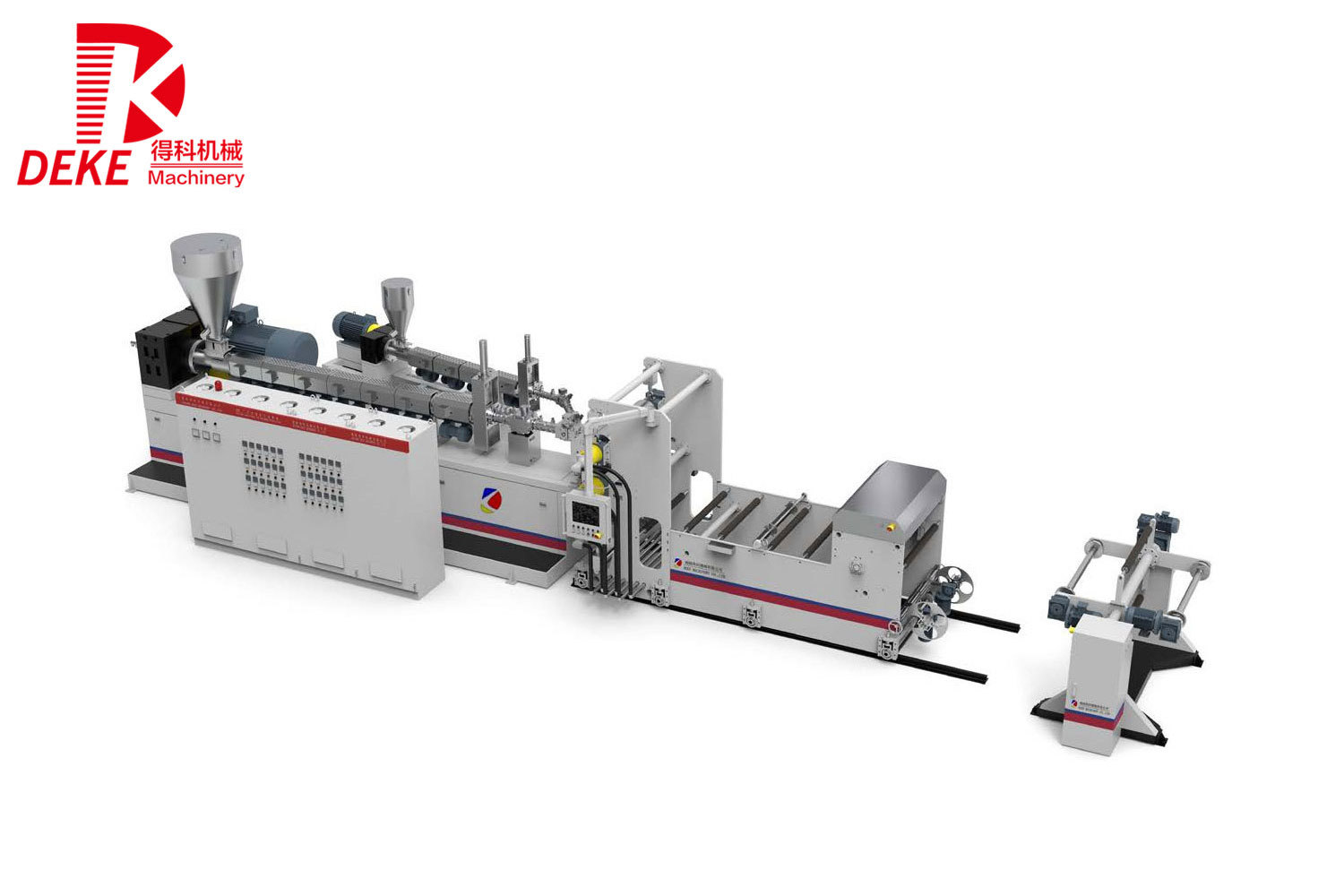
One of the key benefits of using conical screw extruders is their ability to handle a diverse range of materials, including various types of polymers and additives. The tapering design facilitates a gradual and controlled flow of material, which is crucial in achieving consistent melt temperatures and uniform material properties. This is particularly beneficial for manufacturers aiming to produce high-quality products with minimal variations.
Moreover, conical screw extruders offer superior mixing capabilities. The unique arrangement of the screws creates a more effective shear force, ensuring that materials are thoroughly blended before they are shaped into final products. This enhanced mixing performance is essential for producing compounds that require precise formulations, such as color masterbatches or filled polymers.
Another advantage of conical screw extruders is their energy efficiency. The design allows for a more efficient transfer of energy from the motor to the materials being processed. As a result, manufacturers can achieve higher output rates while consuming less energy, which can lead to significant cost savings over time. Additionally, the ability to operate at lower temperatures can reduce the risk of thermal degradation of sensitive materials, further enhancing product quality.
Maintenance is also simplified with conical screw extruders. Their design often allows for easier access to components, making routine maintenance and inspections more straightforward. This can lead to reduced downtime and improved overall productivity in manufacturing operations.
In summary, conical screw extruders play a crucial role in the plastic processing industry, offering a range of benefits that enhance both product quality and operational efficiency. Their ability to handle diverse materials, superior mixing capabilities, energy efficiency, and simplified maintenance make them a valuable asset for manufacturers. Understanding the functionality of these machines can help manufacturers make informed decisions about their equipment choices, ultimately leading to better production outcomes and increased competitiveness in the market.
RELATED INFORMATION

Why Choose Conical Twin Screw for Your Next Extrusion Project?
Why Choose Conical Twin Screw for Your Next Extrusion Project? Understanding Extrusion Technology In the realm of **plastic processing**, extrusion is an essential manufacturing technique that transforms raw plastic materials into usable products. The **extrusion process** involves forcing molten plastic through a die to create continuous shapes like sheets, films, and profiles. With advancements
Understanding the Advantages of Counter Rotating Twin Screw Extruders for Plastic Processing
Counter rotating twin screw extruders are pivotal in the plastic processing industry, recognized for their versatility and efficiency. Unlike single screw extruders, twin screw extruders feature two intermeshing screws that rotate in opposite directions. This design allows for enhanced material handling and processing capabilities, making them suitable for a wide array of applications. One of the

Website

Copyright©Jieyang Deke Machinery Co., Ltd.