
Why Choose a Conical Screw Extruder for Your Plastic Production Needs?
2025-05
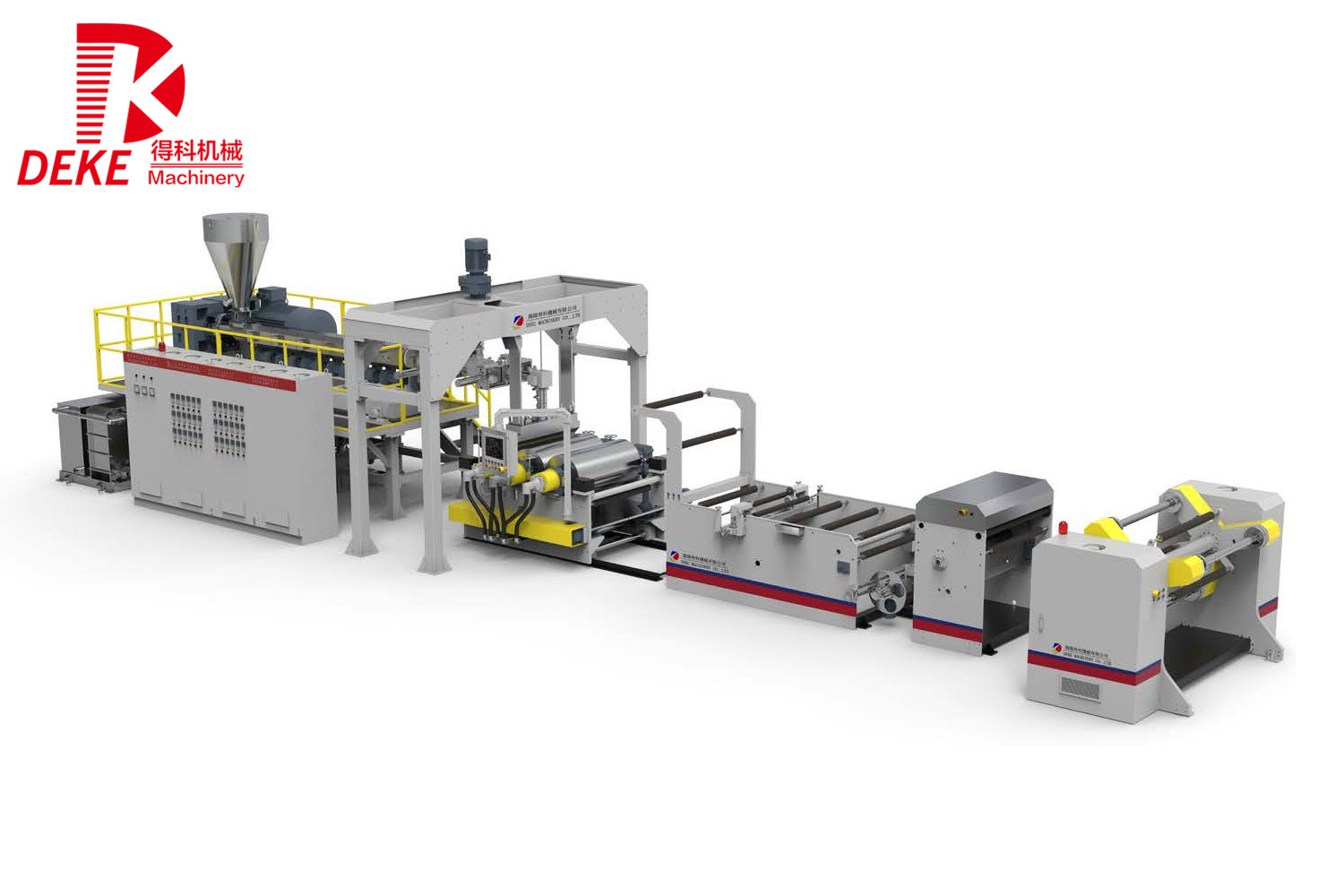
Why Choose a Conical Screw Extruder for Your Plastic Production Needs?
In the ever-evolving landscape of plastic production, manufacturers are consistently seeking solutions that optimize efficiency, enhance product quality, and reduce operational costs. Among various technologies available today, the **conical screw extruder** has emerged as a preferred choice. This article delves into the significant benefits of utilizing a conical screw extruder, particularly for plastic production, and addresses common queries surrounding its use.
Understanding Conical Screw Extruders
The Basics of Conical Screw Extruders
A **conical screw extruder** is a specialized machine designed for the extrusion process of plastics. It features a conical-shaped screw that rotates within a heated barrel, facilitating the melting and shaping of plastic materials. This design enables efficient mixing and homogenization, critical for producing high-quality plastic products.
Key Components of a Conical Screw Extruder
The essential components of a conical screw extruder include:
- **Screw**: The conical screw is the heart of the extruder, designed to convey, melt, and shape the plastic material.
- **Barrel**: The barrel houses the screw and is equipped with heating elements to maintain optimal temperatures for processing.
- **Die**: The die shapes the extruded material into the desired profile as it exits the extruder.
- **Control System**: Modern extruders are equipped with sophisticated control systems that monitor and regulate various parameters, ensuring consistent production quality.
Advantages of Using a Conical Screw Extruder
1. Enhanced Mixing and Homogenization
One of the primary benefits of conical screw extruders is their superior mixing capabilities. The conical screw design promotes thorough mixing of additives and pigments, resulting in a uniform product. This is particularly crucial for applications requiring precise color matching and consistent quality.
2. Improved Thermal Efficiency
Conical screw extruders are designed to provide better thermal efficiency than traditional parallel screw extruders. The conical shape allows for improved temperature control, reducing energy consumption during the melting and processing phase. This efficiency not only saves costs but also contributes to a more sustainable manufacturing process.
3. Versatility in Processing Various Materials
Conical screw extruders can process a wide range of materials, including thermoplastics, elastomers, and biodegradable plastics. This versatility makes them ideal for manufacturers looking to diversify their product offerings or explore new materials.
4. Higher Throughput and Productivity
With their efficient design, conical screw extruders can achieve higher throughput rates compared to other extrusion systems. This increased productivity allows manufacturers to meet higher demand without compromising product quality.
5. Better Control Over Product Characteristics
The ability to finely control processing parameters such as temperature, pressure, and screw speed gives manufacturers greater control over the final product characteristics. This control is crucial for producing materials that meet specific performance standards and customer requirements.
Applications of Conical Screw Extruders in Plastic Manufacturing
1. Film and Sheet Production
Conical screw extruders are widely used in the production of plastic films and sheets. Their ability to produce consistent thickness and quality makes them ideal for applications such as packaging, construction, and automotive sectors.
2. Pipe and Profile Extrusion
Manufacturers use conical screw extruders for pipe and profile extrusion due to their capability to handle high-viscosity materials and provide a smooth surface finish. This application is crucial for plumbing, irrigation, and construction industries.
3. Compounding and Masterbatch Production
In the compounding process, conical screw extruders excel in blending various materials and additives. This capability is vital for creating masterbatches used in coloring and enhancing the properties of plastic products.
4. Recycling of Plastics
Conical screw extruders play a significant role in recycling processes by efficiently processing post-consumer plastics. Their design facilitates the handling of materials with varying properties, promoting sustainable practices within the industry.
Factors to Consider When Choosing a Conical Screw Extruder
1. Production Capacity
Determining the right production capacity is essential for meeting your operational needs. Evaluate your production goals and select a conical screw extruder that aligns with your output requirements.
2. Material Compatibility
Different plastic materials require specific processing conditions. Ensure that the conical screw extruder you choose is compatible with the materials you intend to process.
3. Installation Space and Configuration
Consider the physical space available for installation, as well as the layout of your production line. Select a model that fits comfortably within your operational space while providing efficient workflow.
4. Budget and Total Cost of Ownership
While upfront costs are important, consider the total cost of ownership, including maintenance, energy consumption, and potential downtime. Investing in a high-quality conical screw extruder may yield long-term savings.
FAQs About Conical Screw Extruders
1. What materials can be processed with a conical screw extruder?
Conical screw extruders can process various materials, including thermoplastics, elastomers, and biodegradable plastics. They are highly versatile, making them suitable for numerous applications.
2. How do conical screw extruders differ from parallel screw extruders?
Conical screw extruders feature a tapered design that promotes better mixing, thermal efficiency, and control over product characteristics compared to parallel screw extruders, which have a uniform diameter along the screw.
3. What are the maintenance requirements for conical screw extruders?
Regular maintenance for conical screw extruders includes cleaning, monitoring wear on screws and barrels, and checking heating elements. Consistent upkeep ensures optimal performance and longevity of the machine.
4. Can conical screw extruders be automated?
Yes, many modern conical screw extruders come equipped with advanced control systems that allow for automation. This automation can enhance precision and reduce the need for manual intervention.
5. What is the typical lifespan of a conical screw extruder?
The lifespan of a conical screw extruder can vary based on usage, maintenance, and material processed. However, with proper care, these machines can last for many years, providing reliable service.
Conclusion
The choice of a **conical screw extruder** can significantly impact your plastic production processes. With enhanced mixing capabilities, better thermal efficiency, and increased versatility, these machines stand out as an optimal solution for manufacturers aiming to improve their operations. By understanding the benefits and applications of conical screw extruders, businesses can make informed decisions that drive productivity and quality. Investing in this technology not only streamlines production but also positions your company at the forefront of the competitive plastic manufacturing industry.
RELATED INFORMATION

Why Choose Conical Twin Screw for Your Next Extrusion Project?
Why Choose Conical Twin Screw for Your Next Extrusion Project? Understanding Extrusion Technology In the realm of **plastic processing**, extrusion is an essential manufacturing technique that transforms raw plastic materials into usable products. The **extrusion process** involves forcing molten plastic through a die to create continuous shapes like sheets, films, and profiles. With advancements
Understanding the Advantages of Counter Rotating Twin Screw Extruders for Plastic Processing
Counter rotating twin screw extruders are pivotal in the plastic processing industry, recognized for their versatility and efficiency. Unlike single screw extruders, twin screw extruders feature two intermeshing screws that rotate in opposite directions. This design allows for enhanced material handling and processing capabilities, making them suitable for a wide array of applications. One of the

Website

Copyright©Jieyang Deke Machinery Co., Ltd.