
Why Choosing HDPE Sheet Extrusion Can Revolutionize Your Production Process
2025-06
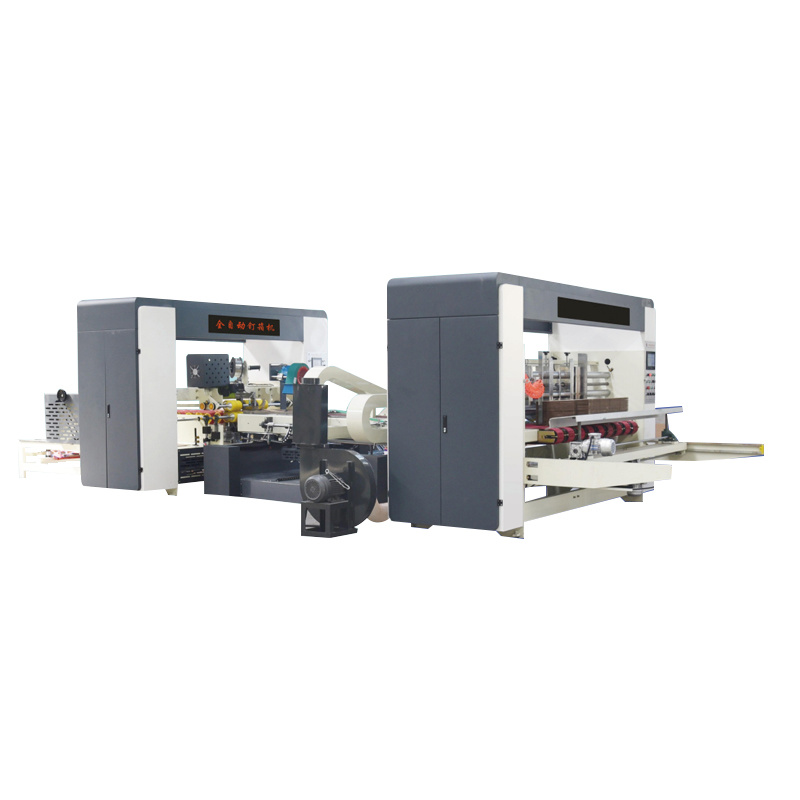
Why Choosing HDPE Sheet Extrusion Can Revolutionize Your Production Process
Table of Contents
- Introduction to HDPE Sheet Extrusion
- The Benefits of HDPE Sheet Extrusion
- 1. Cost-Effectiveness
- 2. Durability and Strength
- 3. Environmental Impact
- 4. Customizability and Versatility
- Applications of HDPE Sheet Extrusion
- Understanding the Extrusion Process
- Future Trends in HDPE Sheet Extrusion
- Choosing the Right Supplier for HDPE Sheets
- FAQs About HDPE Sheet Extrusion
- Conclusion
Introduction to HDPE Sheet Extrusion
In the manufacturing landscape today, **high-density polyethylene (HDPE) sheet extrusion** stands out as a game-changing technology that offers significant advantages over traditional materials. As industries evolve, the need for efficient, durable, and cost-effective solutions intensifies. HDPE, renowned for its strength and versatility, is becoming the material of choice for many production processes. This article delves into the transformative potential of HDPE sheet extrusion and how it can revolutionize your production process.
The Benefits of HDPE Sheet Extrusion
When considering the adoption of HDPE sheet extrusion, it's essential to understand the multitude of benefits it brings to the table.
1. Cost-Effectiveness
One of the most compelling reasons to choose HDPE sheet extrusion is its **cost-effectiveness**. The production process is highly efficient, which translates to lower manufacturing costs. HDPE sheets require less energy to produce compared to other materials, leading to reduced operational costs. Additionally, the longevity of HDPE products means fewer replacements and less waste, making it a financially savvy choice for businesses.
2. Durability and Strength
HDPE is celebrated for its remarkable **durability and strength**. It can withstand harsh environmental conditions and heavy usage, making it suitable for a wide array of applications. The material is resistant to impact, chemicals, and moisture, ensuring that products maintain their integrity over time. This durability reduces the frequency of repairs or replacements, further enhancing cost savings for manufacturers.
3. Environmental Impact
In an era where sustainability is paramount, HDPE sheet extrusion stands out for its **environmental benefits**. HDPE is fully recyclable, which means products can be repurposed at the end of their lifecycle rather than contributing to landfill waste. Furthermore, many manufacturers are adopting eco-friendly practices during the production process, further reducing their carbon footprint. By choosing HDPE, businesses can align their operations with sustainable practices, appealing to environmentally conscious consumers.
4. Customizability and Versatility
The **customizability** of HDPE sheets is another significant advantage. The extrusion process allows for various thicknesses, colors, and finishes, enabling manufacturers to tailor products to meet specific requirements. This versatility opens up a world of possibilities, whether for packaging, construction, or medical applications. The ability to customize also means that businesses can innovate and differentiate themselves in competitive markets.
Applications of HDPE Sheet Extrusion
The applications for HDPE sheet extrusion are vast and varied, showcasing the material's adaptability across multiple industries.
1. Packaging Solutions
HDPE's strength and lightweight nature make it an ideal choice for **packaging solutions**. From containers to pallets, HDPE sheets provide durability while reducing shipping costs.
2. Construction Materials
In the construction industry, HDPE sheets are used for **damp proofing**, liners, and various structural components. Their resistance to moisture and chemicals makes them perfect for safeguarding against environmental factors.
3. Medical Applications
HDPE is widely utilized in the medical sector for **surgical trays**, **containers**, and other equipment due to its hygienic properties and chemical resistance.
4. Automotive Parts
In the automotive industry, HDPE sheets are becoming increasingly popular for **interior components** and **reinforcement materials** due to their strength-to-weight ratio.
Understanding the Extrusion Process
To fully appreciate the benefits of HDPE sheet extrusion, it's crucial to understand the **extrusion process itself**.
1. Material Preparation
The process begins with the preparation of HDPE pellets, which are heated to a specific temperature to become pliable.
2. Extrusion
The softened material is then forced through a die, shaping it into sheets of varying thicknesses.
3. Cooling and Cutting
Following extrusion, the sheets are cooled and cut to the desired lengths, ready for further processing or delivery.
Future Trends in HDPE Sheet Extrusion
As technology progresses, the future of HDPE sheet extrusion looks promising. Innovations in production methods, such as **3D printing**, are beginning to merge with traditional extrusion techniques, allowing for even greater customization and efficiency. Furthermore, as the push for sustainable materials continues, advancements in **biodegradable** and **recycled HDPE formulations** are expected to gain traction, offering manufacturers eco-friendly options.
Choosing the Right Supplier for HDPE Sheets
Selecting a reliable supplier for HDPE sheets is critical to ensuring quality and efficiency in your production process. Consider the following factors when making your choice:
1. **Reputation and Experience**: Look for suppliers with a strong track record in the industry.
2. **Product Range**: Ensure the supplier offers a variety of HDPE sheet options to meet your specific needs.
3. **Quality Assurance**: Choose suppliers that adhere to stringent quality control measures.
4. **Customer Support**: A responsive customer service team can be invaluable for addressing any concerns or questions.
5. **Sustainability Practices**: Collaborating with suppliers committed to sustainability can enhance your brand's image and commitment to the environment.
FAQs About HDPE Sheet Extrusion
1. What is HDPE sheet extrusion?
HDPE sheet extrusion is a manufacturing process that involves melting HDPE pellets and forcing them through a die to create sheets of various thicknesses and sizes.
2. What are the advantages of using HDPE sheets in production?
HDPE sheets offer cost-effectiveness, durability, environmental benefits, and customizability, making them a versatile choice for various applications.
3. How does the extrusion process impact the quality of HDPE sheets?
The extrusion process allows for consistent quality by controlling temperature and pressure, ensuring that the final product meets specific performance standards.
4. Can HDPE sheets be recycled?
Yes, HDPE sheets are fully recyclable, making them an environmentally-friendly option for manufacturers looking to reduce waste.
5. What industries utilize HDPE sheet extrusion?
HDPE sheet extrusion is used in various industries, including packaging, construction, medical applications, and automotive parts.
Conclusion
In conclusion, choosing **HDPE sheet extrusion** can significantly revolutionize your production process. With its myriad of benefits, including cost-effectiveness, durability, environmental impact, and customizability, HDPE is reshaping how manufacturers approach their operations. By understanding the extrusion process and exploring the various applications, businesses can harness the full potential of HDPE sheets. As industries continue to evolve, embracing innovative materials like HDPE will be crucial for staying competitive and meeting the demands of the modern market.
RELATED INFORMATION

Why Choose Conical Twin Screw for Your Next Extrusion Project?
Why Choose Conical Twin Screw for Your Next Extrusion Project? Understanding Extrusion Technology In the realm of **plastic processing**, extrusion is an essential manufacturing technique that transforms raw plastic materials into usable products. The **extrusion process** involves forcing molten plastic through a die to create continuous shapes like sheets, films, and profiles. With advancements
Understanding the Advantages of Counter Rotating Twin Screw Extruders for Plastic Processing
Counter rotating twin screw extruders are pivotal in the plastic processing industry, recognized for their versatility and efficiency. Unlike single screw extruders, twin screw extruders feature two intermeshing screws that rotate in opposite directions. This design allows for enhanced material handling and processing capabilities, making them suitable for a wide array of applications. One of the

Website

Copyright©Jieyang Deke Machinery Co., Ltd.