
Understanding HDPE Sheet Extrusion: A Comprehensive Guide for Professionals
2025-06
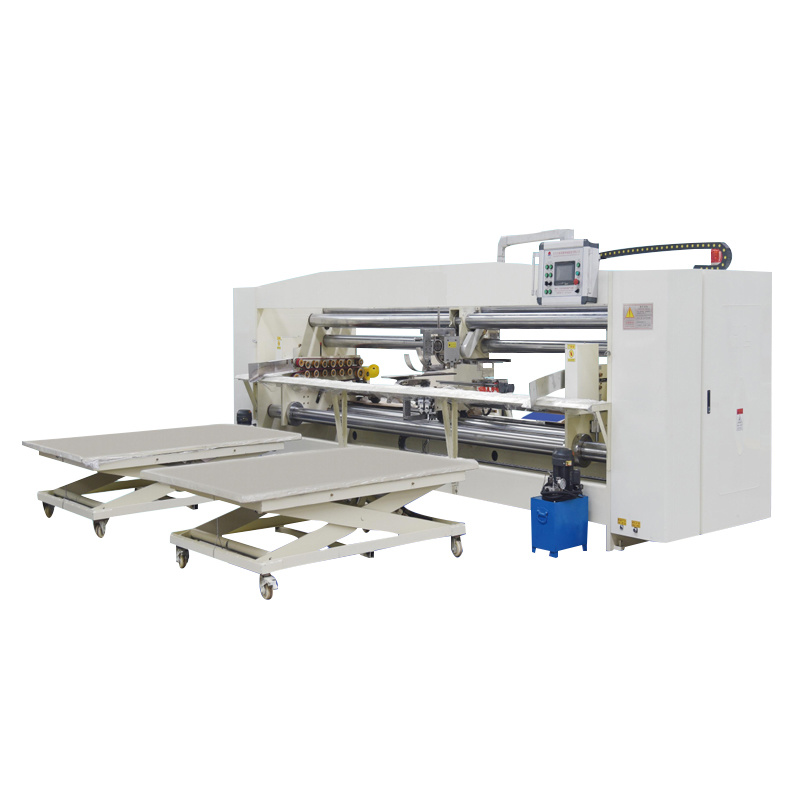
The extrusion process begins with the heating of HDPE pellets in a barrel. As the temperature increases, the pellets melt and are conveyed through a screw that pushes the molten plastic towards a die. The die shapes the material into a flat sheet, which is then cooled and cut to specific dimensions. One of the key advantages of HDPE sheet extrusion is its ability to produce large volumes of sheets with consistent thickness and properties, making it ideal for various applications.
HDPE is favored for its excellent strength-to-density ratio, resistance to impact, and durability against chemicals. These properties make HDPE sheets suitable for a wide range of applications, including packaging, construction, and automotive industries. In addition, HDPE sheets exhibit resistance to moisture, making them ideal for outdoor and high-humidity environments.
Another significant benefit of HDPE sheet extrusion is the versatility it offers in terms of customization. Manufacturers can modify the extrusion process to produce sheets with varying thicknesses, colors, and surface textures. This flexibility allows businesses to meet specific customer requirements and adapt to changing market demands. Furthermore, the integration of additives during the extrusion process can enhance the sheets' properties, such as UV resistance or anti-static characteristics.
Efficiency is a crucial aspect of HDPE sheet extrusion. The process is designed for high throughput, enabling manufacturers to produce large quantities of sheets quickly and cost-effectively. Advanced extrusion technology also ensures minimal waste, making it a sustainable option for businesses looking to reduce their environmental impact.
In summary, HDPE sheet extrusion is a vital manufacturing process that empowers plastic processing professionals to produce high-quality, durable sheets for various applications. By understanding the fundamentals of this process, industry experts can optimize their production techniques, enhance product offerings, and ultimately drive business growth. Embracing the capabilities of HDPE sheet extrusion not only meets the diverse needs of customers but also positions manufacturers competitively in the ever-evolving plastic industry.
RELATED INFORMATION

Why Choose Conical Twin Screw for Your Next Extrusion Project?
Why Choose Conical Twin Screw for Your Next Extrusion Project? Understanding Extrusion Technology In the realm of **plastic processing**, extrusion is an essential manufacturing technique that transforms raw plastic materials into usable products. The **extrusion process** involves forcing molten plastic through a die to create continuous shapes like sheets, films, and profiles. With advancements
Understanding the Advantages of Counter Rotating Twin Screw Extruders for Plastic Processing
Counter rotating twin screw extruders are pivotal in the plastic processing industry, recognized for their versatility and efficiency. Unlike single screw extruders, twin screw extruders feature two intermeshing screws that rotate in opposite directions. This design allows for enhanced material handling and processing capabilities, making them suitable for a wide array of applications. One of the

Website

Copyright©Jieyang Deke Machinery Co., Ltd.