
Understanding PET Sheet Extruder Machines: A Comprehensive Overview for Professionals
2025-07
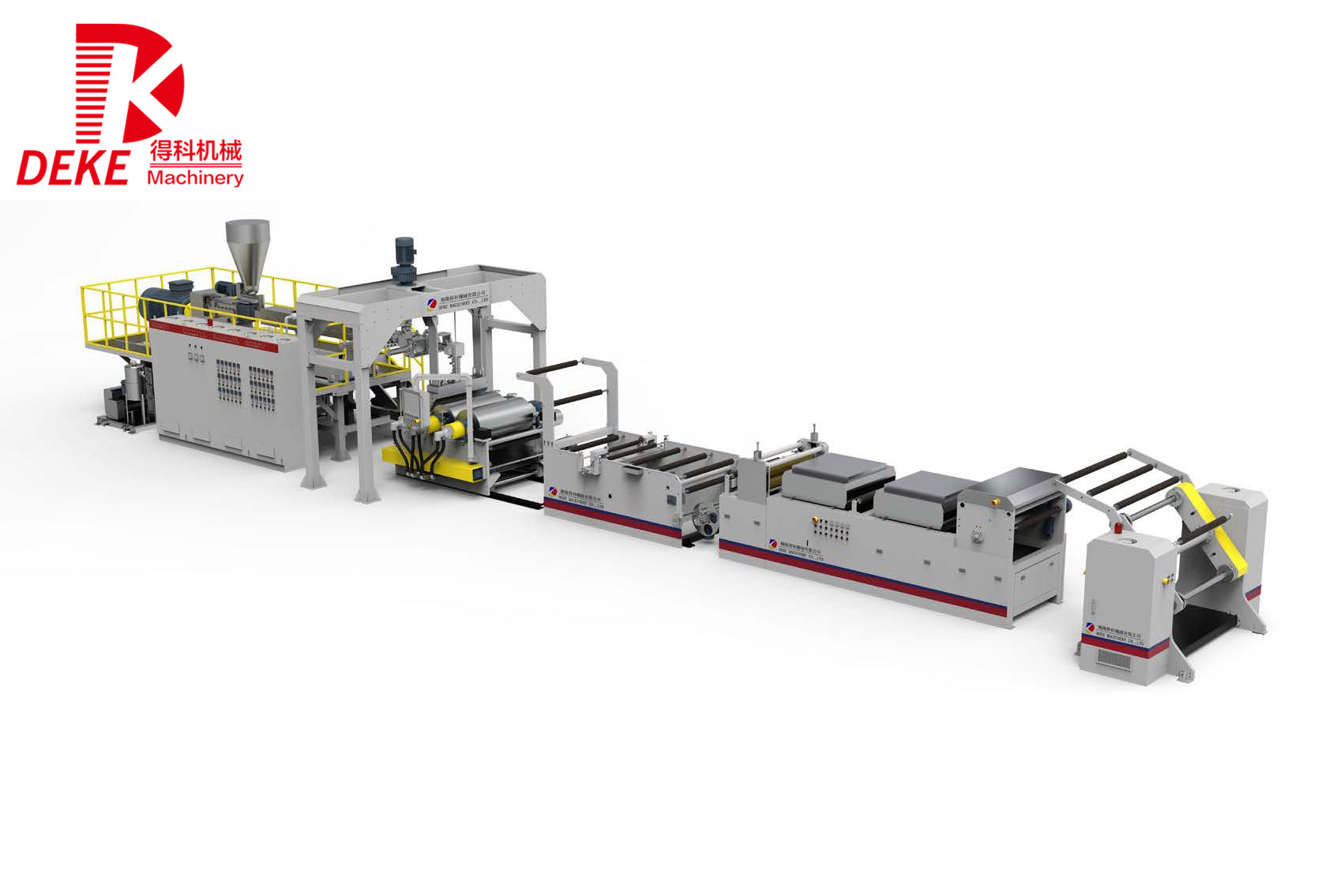
The operation of a PET sheet extruder machine involves a continuous process where granulated PET material is fed into the extruder. The material is then subjected to heat and pressure as it moves through the extruder’s feed zone, transition zone, and metering zone. In the feed zone, the granules are heated to their melting point, allowing them to become a viscous molten state. The transition zone ensures an even temperature distribution, while the metering zone controls the flow rate of the molten material, ensuring consistent sheet production.
One of the main advantages of using PET sheet extruder machines is their ability to produce high-quality sheets with excellent transparency, rigidity, and impact resistance. This makes PET sheets ideal for applications such as food packaging, where visibility and durability are crucial. Additionally, PET is a recyclable material, contributing to environmentally friendly practices in manufacturing.
Another benefit of these machines is their efficiency in production. Modern PET sheet extruder machines are equipped with advanced technology that maximizes output while minimizing energy consumption. Features like automatic control systems and real-time monitoring help ensure optimal operation, reducing downtime and waste during the manufacturing process.
In terms of applications, PET sheets produced by extruder machines are used in a variety of sectors. In the packaging industry, they are popular for food containers, blister packaging, and clamshell designs. The automotive industry utilizes PET sheets for interior components due to their lightweight nature and strength. Additionally, in construction, PET sheets are used for skylights, signs, and various architectural applications, where their clarity and durability provide significant advantages.
When considering a PET sheet extruder machine for your manufacturing needs, it is essential to analyze factors such as production capacity, energy efficiency, and the specific requirements of your applications. Collaborating with experienced professionals in the field can also help you make informed decisions regarding machine selection, maintenance, and operation.
In summary, PET sheet extruder machines are essential for producing high-performance sheets that cater to various applications in multiple industries. Understanding their operation, benefits, and uses will enable professionals to optimize their production processes while contributing to sustainable practices in the plastic processing sector.
RELATED INFORMATION

Why Choose Conical Twin Screw for Your Next Extrusion Project?
Why Choose Conical Twin Screw for Your Next Extrusion Project? Understanding Extrusion Technology In the realm of **plastic processing**, extrusion is an essential manufacturing technique that transforms raw plastic materials into usable products. The **extrusion process** involves forcing molten plastic through a die to create continuous shapes like sheets, films, and profiles. With advancements
Understanding the Advantages of Counter Rotating Twin Screw Extruders for Plastic Processing
Counter rotating twin screw extruders are pivotal in the plastic processing industry, recognized for their versatility and efficiency. Unlike single screw extruders, twin screw extruders feature two intermeshing screws that rotate in opposite directions. This design allows for enhanced material handling and processing capabilities, making them suitable for a wide array of applications. One of the

Website

Copyright©Jieyang Deke Machinery Co., Ltd.