
How to Conduct a Comprehensive Performance Analysis of Small Twin Screw Extruders
2025-07
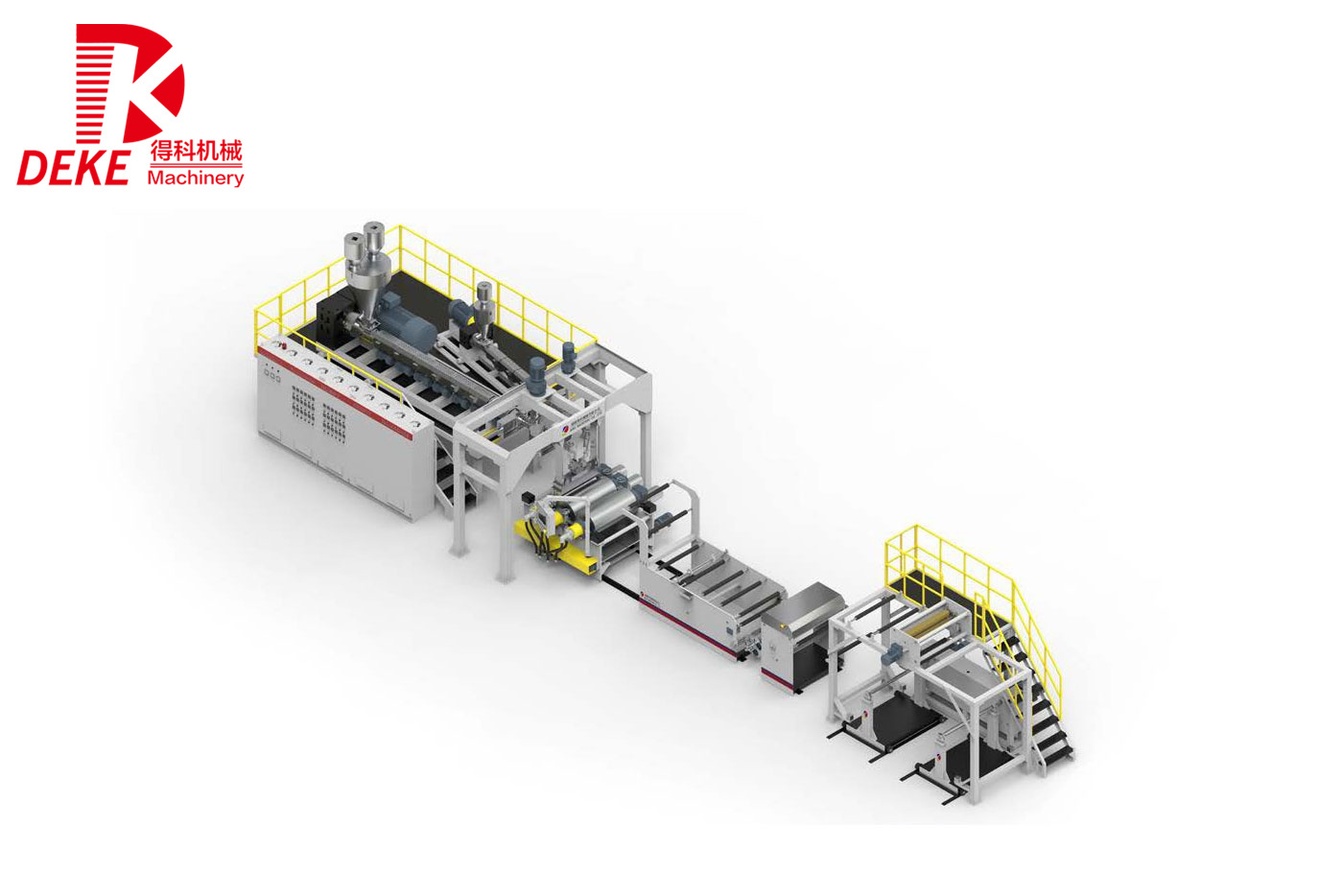
How to Conduct a Comprehensive Performance Analysis of Small Twin Screw Extruders
Table of Contents
- Introduction to Small Twin Screw Extruders
- Importance of Performance Analysis in Extrusion
- Key Performance Metrics for Twin Screw Extruders
- Methodology for Conducting a Performance Analysis
- Data Collection Techniques
- Evaluating Performance Data
- Common Performance Issues and Solutions
- Best Practices for Optimizing Extrusion Performance
- Conclusion
- FAQs on Performance Analysis of Twin Screw Extruders
Introduction to Small Twin Screw Extruders
Small twin screw extruders have become the backbone of many plastic processing operations, offering unparalleled versatility and efficiency. These machines are crucial for a variety of applications, including compounding, mixing, and pelletizing. By understanding how to conduct a performance analysis, manufacturers can ensure that their extruders operate at peak efficiency, leading to improved product quality and reduced operational costs.
Importance of Performance Analysis in Extrusion
Conducting a performance analysis of small twin screw extruders is essential for several reasons. Firstly, it allows operators to identify inefficiencies in the extrusion process. Secondly, it helps in ensuring consistent product quality, which is critical in meeting customer specifications. Moreover, performance analysis can lead to increased throughput and reduced waste, directly impacting the bottom line.
Key Performance Metrics for Twin Screw Extruders
To effectively analyze the performance of small twin screw extruders, it's essential to focus on several key metrics:
1. Throughput
Throughput refers to the volume of material processed by the extruder in a given timeframe. Measuring throughput helps in assessing the machine's efficiency and productivity.
2. Energy Consumption
Understanding energy consumption per unit of output is vital for identifying cost-saving opportunities. High energy usage can indicate inefficiencies, leading to unnecessary expenses.
3. Temperature Profile
Monitoring the temperature throughout the extrusion process ensures that the material is processed correctly. A consistent temperature profile is crucial for maintaining product quality.
4. Pressure Measurement
Pressure within the extruder can indicate how well the material is flowing and whether any blockages or inconsistencies are present.
5. Melt Flow Rate
The melt flow rate is a critical factor in determining the viscosity of the polymer being processed. It provides insights into the material's behavior during extrusion.
Methodology for Conducting a Performance Analysis
The methodology for conducting a performance analysis of small twin screw extruders can be broken down into several steps:
Step 1: Define Objectives
Before initiating the performance analysis, it is crucial to define clear objectives. Are you aiming to increase throughput, reduce energy consumption, or improve product quality?
Step 2: Select Key Performance Indicators (KPIs)
Identify the KPIs that align with the objectives set in Step 1. For example, if the goal is to enhance efficiency, focus on throughput and energy consumption.
Step 3: Data Collection
Gather data on the selected KPIs over a specified period. This data will serve as the foundation for the analysis.
Step 4: Analyze Data
Use statistical methods and tools to analyze the collected data. Look for patterns, trends, and anomalies that could indicate performance issues.
Step 5: Implement Changes
Based on the findings of the analysis, implement necessary changes to optimize performance.
Step 6: Monitor Results
After making adjustments, continue to monitor performance metrics to assess the effectiveness of changes.
Data Collection Techniques
Effective data collection is vital for a successful performance analysis. Here are some methods to consider:
1. Automated Monitoring Systems
Utilizing automated monitoring systems allows for real-time data collection, providing insights into performance metrics without requiring manual input.
2. Manual Logging
In situations where automation is not feasible, manual logging of performance metrics can still yield valuable data.
3. Sensory Equipment
Employing sensory equipment can enhance data accuracy. Devices such as thermocouples for temperature measurement and pressure transducers can provide real-time monitoring.
Evaluating Performance Data
Once data has been collected, the next step is to evaluate it. This evaluation can take several forms:
1. Statistical Analysis
Employ statistical tools to analyze data trends. For example, regression analysis can help identify relationships between variables, such as throughput and energy consumption.
2. Benchmarking
Compare your extruder’s performance against industry standards or competitor benchmarks to gauge its effectiveness.
3. Root Cause Analysis
If performance issues are identified, conduct a root cause analysis to pinpoint underlying problems. This approach helps in developing targeted solutions.
Common Performance Issues and Solutions
Identifying common performance issues is key to enhancing the efficiency of small twin screw extruders. Here are some prevalent problems and their solutions:
1. Inconsistent Throughput
**Issue:** Variability in throughput can lead to production inefficiencies.
**Solution:** Adjust feed rates and ensure a consistent supply of raw materials.
2. High Energy Consumption
**Issue:** Excessive energy use can increase operational costs.
**Solution:** Optimize the machine settings and regularly perform maintenance to ensure all components are functioning efficiently.
3. Temperature Fluctuations
**Issue:** Inconsistent temperatures can compromise product quality.
**Solution:** Regularly calibrate temperature sensors and ensure proper insulation of the extruder.
Best Practices for Optimizing Extrusion Performance
To maximize the performance of small twin screw extruders, consider the following best practices:
1. Regular Maintenance
Routine maintenance can prevent many performance issues. Regular checks on components such as screws, barrels, and heaters can enhance machine longevity.
2. Training and Development
Invest in training operators to understand the intricacies of the extrusion process. Well-trained staff can identify and resolve issues quickly.
3. Process Optimization
Continuously evaluate and optimize the extrusion process. Small adjustments can lead to significant improvements in performance.
4. Quality Control
Implement stringent quality control measures to ensure that the end product meets specifications, reducing waste and rework.
Conclusion
Conducting a performance analysis of small twin screw extruders is not only beneficial but essential for maintaining efficiency and product quality in plastic processing. By focusing on key performance metrics, utilizing effective data collection techniques, and implementing best practices, manufacturers can optimize their extrusion processes, leading to improved productivity and reduced costs. Continuous monitoring and evaluation will ensure that the extruders operate at their full potential, meeting the evolving demands of the industry.
FAQs on Performance Analysis of Twin Screw Extruders
1. What is the importance of throughput in twin screw extruders?
Throughput is crucial as it indicates the volume of material processed, directly impacting production efficiency and cost-effectiveness.
2. How can I reduce energy consumption in my extruder?
Reducing energy consumption can be achieved by optimizing machine settings, conducting regular maintenance, and utilizing energy-efficient components.
3. What are some common signs of performance issues in extruders?
Common signs include inconsistent throughput, excessive energy usage, and significant temperature fluctuations.
4. How often should I conduct a performance analysis?
Regular performance analyses should be conducted at least quarterly, or more frequently if production demands change or issues are identified.
5. Can automation improve the performance analysis process?
Yes, automation can streamline data collection and analysis, providing real-time insights and allowing for quicker decision-making to enhance performance.
RELATED INFORMATION

Why Choose Conical Twin Screw for Your Next Extrusion Project?
Why Choose Conical Twin Screw for Your Next Extrusion Project? Understanding Extrusion Technology In the realm of **plastic processing**, extrusion is an essential manufacturing technique that transforms raw plastic materials into usable products. The **extrusion process** involves forcing molten plastic through a die to create continuous shapes like sheets, films, and profiles. With advancements
Understanding the Advantages of Counter Rotating Twin Screw Extruders for Plastic Processing
Counter rotating twin screw extruders are pivotal in the plastic processing industry, recognized for their versatility and efficiency. Unlike single screw extruders, twin screw extruders feature two intermeshing screws that rotate in opposite directions. This design allows for enhanced material handling and processing capabilities, making them suitable for a wide array of applications. One of the

Website

Copyright©Jieyang Deke Machinery Co., Ltd.