
The Benefits of Utilizing Twin Screw Compounders in Polymer Blending
2025-07
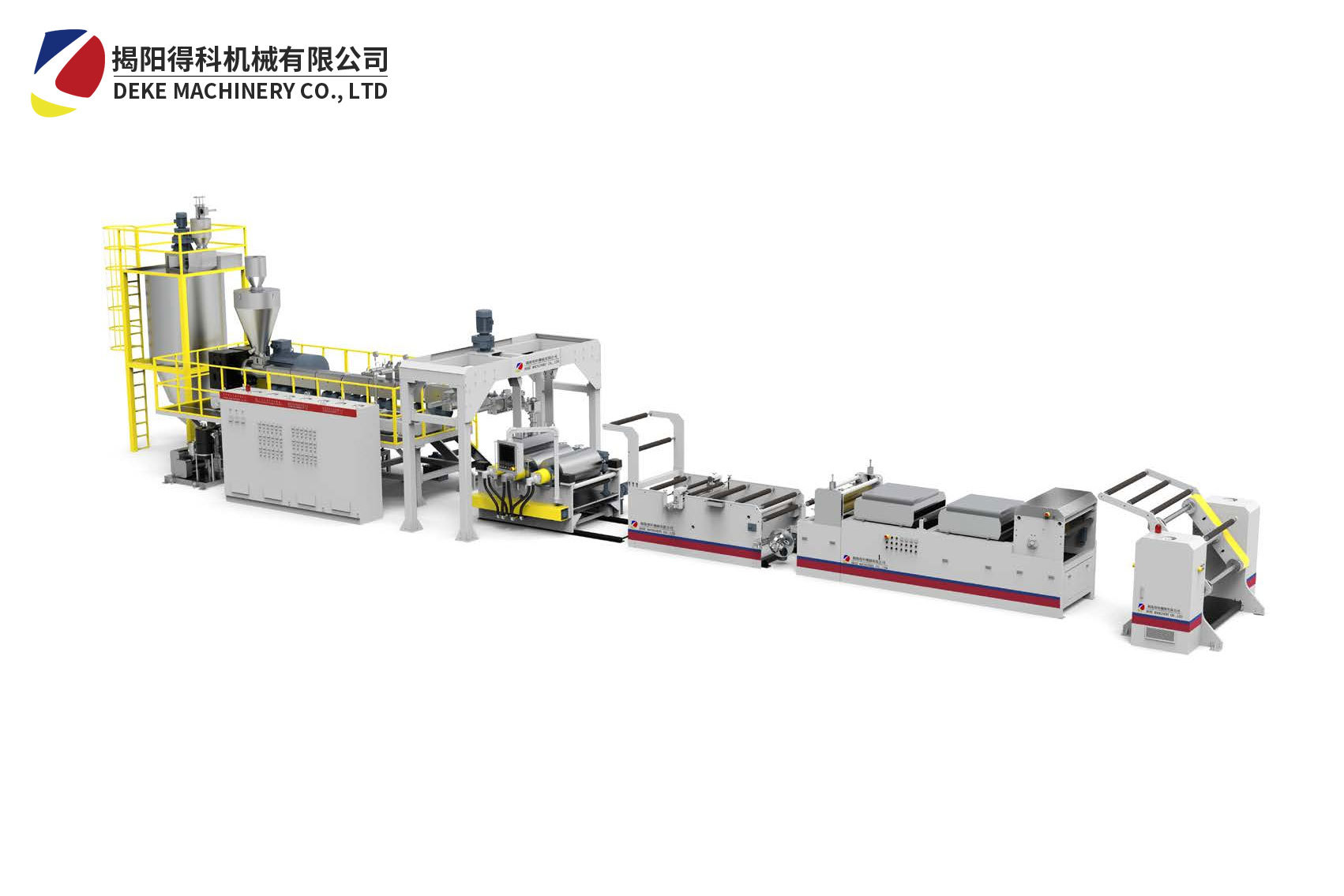
The Benefits of Utilizing Twin Screw Compounders in Polymer Blending
Introduction to Polymer Blending and Twin Screw Compounders
In the ever-evolving landscape of **plastic manufacturing**, the need for **efficient blending technologies** has never been more pronounced. Among the various methodologies, **twin screw compounders** have emerged as a revolutionary solution in the field of **polymer blending**. These advanced machines offer unparalleled flexibility, precision, and efficiency in processing a wide variety of **polymeric materials**, making them indispensable in modern manufacturing environments.
Understanding Twin Screw Compounders
Twin screw compounders are sophisticated extrusion systems featuring two intermeshing screws that rotate within a barrel. This design allows for exceptional mixing and compounding capabilities, which are critical in achieving the desired properties in polymeric blends. The ability to control variables such as temperature, pressure, and shear makes twin screw compounders ideal for various applications, from **masterbatch production** to **thermoplastic elastomers**.
How Do Twin Screw Compounders Work?
At their core, twin screw compounders operate by continuously feeding raw materials into the extruder. As the screws rotate, they create a highly turbulent mixing environment, promoting effective interaction between different polymers and additives. The process can be finely tuned through the adjustment of screw speed and configuration, ensuring optimal blending and compounding outcomes.
Applications of Twin Screw Compounders in Polymer Blending
The versatility of twin screw compounders extends to numerous applications in the polymer industry, including:
- **Additive Masterbatches**: Creating high-performance masterbatches for colorants, fillers, and other additives.
- **Polymer Alloy Production**: Blending incompatible polymers to achieve desired properties.
- **Recycling Processes**: Efficiently processing recycled materials to produce high-quality blends.
Key Benefits of Twin Screw Compounders in Polymer Blending
1. Superior Mixing Efficiency
One of the standout features of twin screw compounders is their ability to provide **superior mixing efficiency**. The intermeshing screw design ensures that materials are thoroughly mixed, reducing the likelihood of inconsistencies in the final product. This is particularly important for applications requiring precise material properties, such as **medical devices** and **automotive components**.
2. Enhanced Material Properties
Through effective blending, twin screw compounders can significantly enhance the properties of polymeric materials. By optimizing the dispersion of additives and improving the compatibility of different polymers, manufacturers can achieve superior tensile strength, flexibility, and thermal stability. This is essential for meeting stringent industry standards and customer demands.
3. Flexibility and Customization
Twin screw compounders offer remarkable flexibility in terms of processing capabilities. Manufacturers can customize the screw design, temperature profiles, and feed rates to suit specific material requirements. This adaptability allows for the efficient production of a wide range of products, from standard thermoplastics to advanced composites.
4. Process Control and Monitoring
Modern twin screw compounders are equipped with advanced process control systems that enable real-time monitoring of critical parameters. This technology allows manufacturers to maintain consistent quality throughout the blending process, minimizing waste and ensuring the reliability of the end product.
5. Cost-Effectiveness and Efficiency
Investing in twin screw compounders can lead to significant cost savings for manufacturers. The efficient blending process reduces energy consumption and material waste, while the ability to produce high-quality blends in a single pass enhances overall productivity. This translates to lower operational costs and improved profitability for businesses.
6. Environmental Considerations
As sustainability becomes a growing concern in the manufacturing sector, twin screw compounders offer an eco-friendly solution. Their efficiency in processing recycled materials contributes to reducing the environmental impact of plastic production. Moreover, the precise control of additives helps minimize the use of harmful chemicals, aligning with green manufacturing initiatives.
7. Improved Scale-Up Capabilities
For businesses looking to scale their production, twin screw compounders provide a seamless transition from laboratory-scale development to full-scale manufacturing. The consistent performance and predictable outcomes of these machines make it easier to replicate successful formulations on a larger scale.
8. Innovation and R&D Opportunities
Twin screw compounders are not just tools for production; they are also integral to research and development efforts. Their ability to process small batches allows for experimentation with new materials and formulations, fostering innovation in polymer science.
Challenges in Using Twin Screw Compounders
While twin screw compounders offer numerous advantages, they are not without challenges. Understanding these obstacles is crucial for manufacturers aiming to maximize their investment.
1. Initial Investment Costs
The upfront costs of acquiring a twin screw compounder can be significant. However, this investment often pays off in the long run through enhanced productivity and reduced operational costs.
2. Technical Expertise Required
Operating twin screw compounders effectively requires skilled personnel who understand the intricacies of the machines and the materials being processed. Investing in training and development is essential to ensure optimal performance.
3. Maintenance and Downtime
Like any advanced machinery, twin screw compounders require regular maintenance to ensure longevity and performance. Manufacturers must be prepared to allocate resources for maintenance and potential downtime.
FAQs about Twin Screw Compounders in Polymer Blending
1. What types of materials can be processed using twin screw compounders?
Twin screw compounders can process a wide range of materials, including thermoplastics, elastomers, and composites. They are particularly effective for blending incompatible polymers and incorporating additives.
2. How does the screw design affect the blending process?
The screw design plays a crucial role in determining the mixing efficiency and material properties. Different screw configurations can be tailored to achieve specific blending requirements.
3. Can twin screw compounders handle high-viscosity materials?
Yes, twin screw compounders are well-suited for processing high-viscosity materials due to their ability to generate high shear forces and maintain consistent flow.
4. What industries benefit the most from twin screw compounders?
Industries such as automotive, packaging, medical devices, and electronics benefit significantly from the capabilities of twin screw compounders for producing high-quality polymer blends.
5. How do twin screw compounders contribute to sustainability in manufacturing?
Twin screw compounders enhance sustainability by efficiently processing recycled materials, reducing waste, and minimizing the use of harmful additives, aligning with environmentally friendly practices.
Conclusion
The utilization of **twin screw compounders** in polymer blending presents a multitude of benefits that are reshaping the landscape of plastic manufacturing. By offering superior mixing efficiency, enhanced material properties, and increased flexibility, these advanced machines are becoming essential for businesses striving for innovation and competitiveness in the market. As sustainability continues to be a pivotal focus, twin screw compounders also contribute to eco-friendly practices, making them a worthwhile investment for manufacturers. Embracing this technology not only enhances product quality but also drives the future of polymer science and engineering.
RELATED INFORMATION

Why Choose Conical Twin Screw for Your Next Extrusion Project?
Why Choose Conical Twin Screw for Your Next Extrusion Project? Understanding Extrusion Technology In the realm of **plastic processing**, extrusion is an essential manufacturing technique that transforms raw plastic materials into usable products. The **extrusion process** involves forcing molten plastic through a die to create continuous shapes like sheets, films, and profiles. With advancements
Understanding the Advantages of Counter Rotating Twin Screw Extruders for Plastic Processing
Counter rotating twin screw extruders are pivotal in the plastic processing industry, recognized for their versatility and efficiency. Unlike single screw extruders, twin screw extruders feature two intermeshing screws that rotate in opposite directions. This design allows for enhanced material handling and processing capabilities, making them suitable for a wide array of applications. One of the

Website

Copyright©Jieyang Deke Machinery Co., Ltd.