
Mastering the Art of PP HIPS Sheet Extrusion: A Comprehensive Guide
2025-08
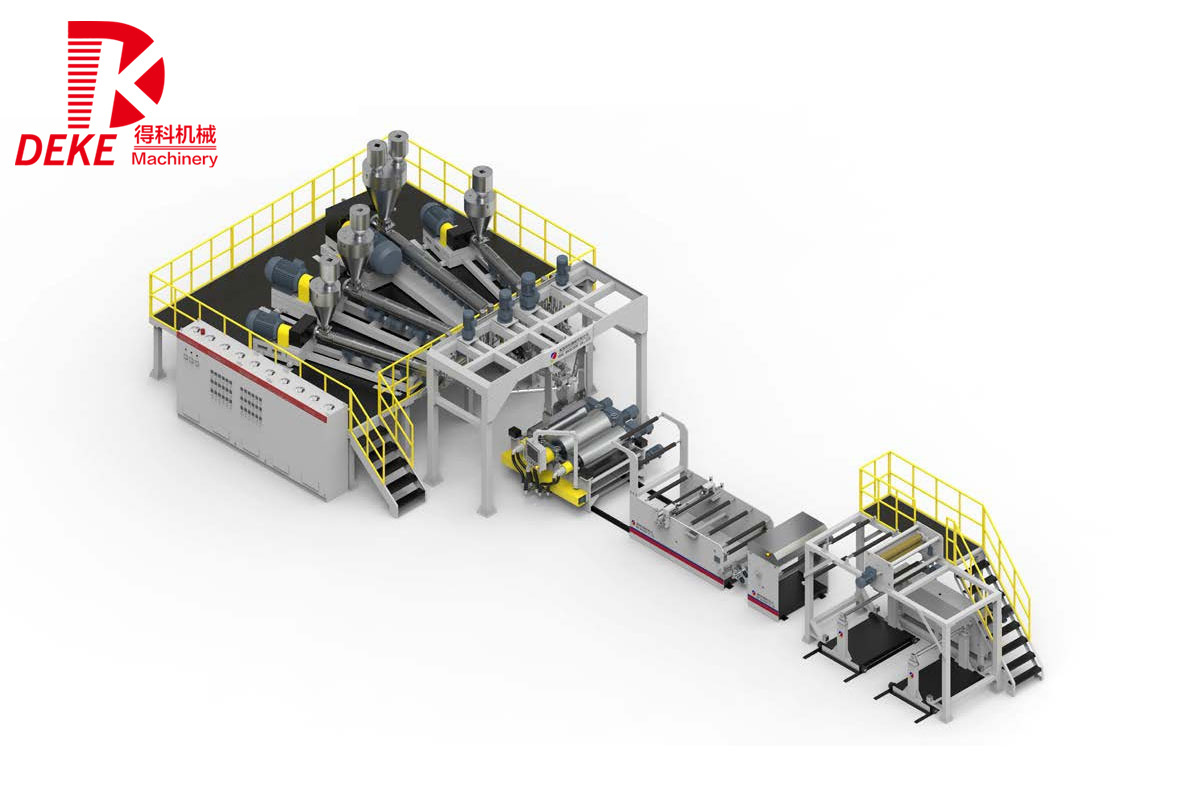
The extrusion process begins with the feeding of raw PP and HIPS pellets into the hopper of the extruder. This machine utilizes a rotating screw mechanism to convey the material through a heated barrel, where it is melted and homogenized. Once the material reaches the desired viscosity, it is forced through a die, shaping it into a continuous sheet. Following extrusion, the sheet is typically cooled and cut into manageable sizes.
One of the primary benefits of using PP and HIPS in sheet production is their excellent mechanical properties. Polypropylene, known for its lightweight and chemical resistance, is ideal for applications requiring durability and flexibility. HIPS, on the other hand, provides enhanced impact strength, making it suitable for products that need to withstand sudden shocks or drops. The combination of these materials allows for the creation of sheets with tailored properties to meet specific industry demands.
The versatility of PP HIPS sheets makes them suitable for a wide range of applications. In the packaging industry, these sheets are used for containers, trays, and lids due to their lightweight nature and excellent barrier properties. In the automotive sector, PP HIPS sheets are utilized for interior components, offering durability without adding excessive weight to vehicles. Additionally, they find applications in consumer goods, electronics, and even in medical devices, showcasing their extensive usability.
Moreover, advancements in extrusion technology have led to improved efficiency and quality in the production of PP HIPS sheets. Modern extruders are equipped with sophisticated controls that optimize temperature and pressure settings, ensuring consistent product quality. Energy-efficient designs are also becoming more prevalent, allowing manufacturers to reduce operational costs while maintaining high output rates.
In conclusion, the PP HIPS sheet extruder is an essential piece of machinery in the plastic processing industry, enabling the production of high-quality sheets tailored to various applications. By understanding the benefits and capabilities of this technology, manufacturers can make informed decisions that enhance their production processes and product offerings. Whether you are looking to enter the market or improve existing operations, knowledge of PP HIPS sheet extrusion can pave the way for success in the ever-evolving world of plastic manufacturing.
RELATED INFORMATION

Why Choose Conical Twin Screw for Your Next Extrusion Project?
Why Choose Conical Twin Screw for Your Next Extrusion Project? Understanding Extrusion Technology In the realm of **plastic processing**, extrusion is an essential manufacturing technique that transforms raw plastic materials into usable products. The **extrusion process** involves forcing molten plastic through a die to create continuous shapes like sheets, films, and profiles. With advancements
Understanding the Advantages of Counter Rotating Twin Screw Extruders for Plastic Processing
Counter rotating twin screw extruders are pivotal in the plastic processing industry, recognized for their versatility and efficiency. Unlike single screw extruders, twin screw extruders feature two intermeshing screws that rotate in opposite directions. This design allows for enhanced material handling and processing capabilities, making them suitable for a wide array of applications. One of the

Website

Copyright©Jieyang Deke Machinery Co., Ltd.