
How PET Single Screw Extruders Revolutionize Plastic Manufacturing Processes
2025-08
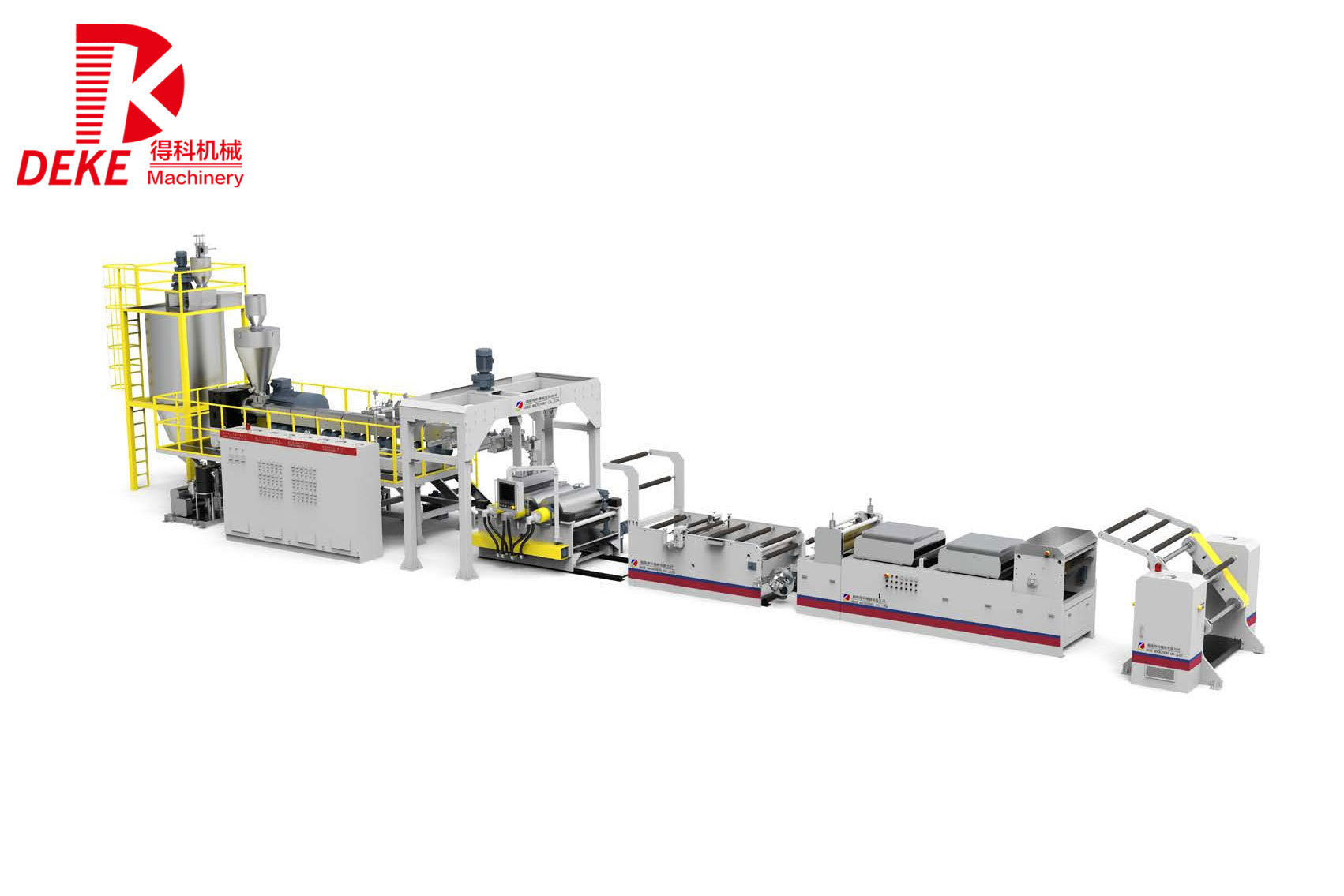
How PET Single Screw Extruders Revolutionize Plastic Manufacturing Processes
Table of Contents
- 1. Introduction to PET Single Screw Extruders
- 2. Understanding PET and Its Importance in Plastic Manufacturing
- 3. The Extrusion Process Explained
- 4. Advantages of Using Single Screw Extruders for PET
- 5. Operational Efficiency of PET Single Screw Extruders
- 6. Enhancing Product Quality through PET Extrusion
- 7. Sustainable Practices with PET Single Screw Extruders
- 8. The Future of PET Extrusion Technology
- 9. Frequently Asked Questions
- 10. Conclusion
1. Introduction to PET Single Screw Extruders
In the realm of plastic manufacturing, **PET single screw extruders** play a crucial role in shaping the future of production processes. These machines are designed to efficiently melt and process **polyethylene terephthalate (PET)**, enabling manufacturers to create a wide range of plastic products with improved quality and efficiency. By understanding how these extruders work and their benefits, manufacturers can elevate their production capabilities to meet the growing demands of the industry.
2. Understanding PET and Its Importance in Plastic Manufacturing
Polyethylene terephthalate (PET) is a thermoplastic polymer that is widely used in various applications, including packaging, textiles, and automotive components. Its unique properties, such as high strength, durability, and chemical resistance, make it a preferred material for manufacturers. PET's recyclability also contributes to its popularity in today’s environmentally conscious market, allowing manufacturers to create sustainable products without compromising quality.
2.1. Properties of PET
PET exhibits several key properties that enhance its usability in manufacturing:
- **Transparency**: Ideal for packaging applications where visibility is important.
- **Barrier Properties**: PET provides excellent resistance to moisture and gases, extending the shelf life of products.
- **Mechanical Strength**: Its high tensile strength makes it suitable for demanding applications.
- **Chemical Resistance**: PET is resistant to many chemicals, making it versatile for different environments.
2.2. Common Applications of PET
The versatility of PET allows it to be used in various industries, including:
- **Food and Beverage Packaging**: Bottles and containers made from PET are lightweight and durable.
- **Textiles**: PET fibers are used in clothing and upholstery due to their strength and resilience.
- **Automotive Parts**: Components made from PET provide durability and can withstand harsh conditions.
3. The Extrusion Process Explained
Extrusion is a manufacturing process where material is pushed through a die to create continuous shapes. The **PET extrusion process** involves several key stages, each crucial for ensuring the final product meets quality standards.
3.1. Feeding
Raw PET pellets are fed into the extruder through a hopper. The feeding system ensures a consistent flow of material into the extruder for uniform processing.
3.2. Melting and Mixing
As the PET pellets move through the extruder, they are subjected to heat and pressure. The single screw design efficiently melts and mixes the material, ensuring a homogeneous melt that is critical for quality.
3.3. Shaping
Once the PET is melted, it is forced through a die that shapes the material into the desired form. This could be a film, sheet, or specific profiles based on the production requirements.
3.4. Cooling and Cutting
After exiting the die, the extruded PET is cooled to solidify its shape. The final product can be cut into specific lengths or rolls, ready for further processing or packaging.
4. Advantages of Using Single Screw Extruders for PET
**Single screw extruders** offer numerous benefits that make them ideal for PET processing:
4.1. Operational Simplicity
The design of single screw extruders is relatively straightforward, making them easier to operate and maintain compared to twin-screw extruders. This simplicity translates to reduced training time for operators and lower operational costs.
4.2. Cost-Effectiveness
Single screw extruders generally have lower manufacturing costs, making them an attractive option for medium to large-scale production runs of PET products. The lower initial investment can lead to quicker returns on investment.
4.3. Flexibility in Processing
These extruders can handle a variety of PET formulations, allowing manufacturers to adapt their processes for different end products. This flexibility is essential for meeting diverse market demands.
4.4. Consistent Output Quality
Single screw extruders ensure a continuous and uniform flow of material, which is crucial for maintaining product quality. This consistency minimizes defects and enhances customer satisfaction.
5. Operational Efficiency of PET Single Screw Extruders
Operational efficiency is a key consideration in the manufacturing process. **PET single screw extruders** enhance efficiency through various means:
5.1. Energy Efficiency
Modern PET single screw extruders are designed to be energy-efficient, minimizing power consumption while maximizing output. This energy savings contributes to lower operational costs and a reduced carbon footprint.
5.2. Reduced Downtime
With fewer moving parts than other extrusion systems, single screw extruders require less maintenance, resulting in reduced downtime. This reliability ensures that production schedules are met without delays.
5.3. Enhanced Throughput
The design of single screw extruders allows for high throughput rates, accommodating the needs of high-volume production runs. This capability is essential for meeting the demands of fast-paced market environments.
6. Enhancing Product Quality through PET Extrusion
Quality control is paramount in plastic manufacturing. **Single screw extruders for PET** provide several features that contribute to superior product quality:
6.1. Uniform Melt Temperature
Maintaining a consistent melt temperature is vital for achieving high-quality extrusions. Single screw extruders feature advanced heating systems that ensure uniform temperature distribution throughout the barrel.
6.2. Excellent Surface Finish
The design of the screw and die in single screw extruders allows for a smooth flow of material, resulting in an excellent surface finish on the final product. This is especially important for applications where aesthetics are critical, such as packaging.
6.3. Customization Options
Manufacturers can customize die designs and processing parameters to achieve specific product characteristics. This ability to tailor the extrusion process enhances the quality and performance of the final product.
7. Sustainable Practices with PET Single Screw Extruders
Sustainability is a significant consideration in modern manufacturing. PET single screw extruders contribute to sustainable practices in several ways:
7.1. Recycling Potential
PET is one of the most recycled plastics, and single screw extruders can process recycled PET materials. This capability allows manufacturers to create eco-friendly products and reduce waste.
7.2. Reduced Energy Consumption
With their energy-efficient designs, single screw extruders minimize energy usage during the manufacturing process. This reduction not only lowers costs but also decreases environmental impact.
7.3. Supporting Circular Economy
By facilitating the use of recycled materials and promoting sustainable practices, single screw extruders play a vital role in the circular economy, helping businesses meet their environmental goals.
8. The Future of PET Extrusion Technology
As technology continues to advance, the future of PET extrusion looks promising. Innovations in automation, process control, and material science are likely to reshape how manufacturers utilize single screw extruders.
8.1. Automation and Smart Manufacturing
The integration of automation in PET extrusion processes is expected to enhance operational efficiency further. Smart technologies, such as real-time monitoring and predictive maintenance, will streamline production and reduce downtime.
8.2. Advances in Material Science
Research into new PET formulations and additives will allow for the development of even more specialized products. Single screw extruders will need to adapt to these innovations to remain competitive and meet evolving market demands.
9. Frequently Asked Questions
9.1. What is the primary function of a single screw extruder?
The primary function of a single screw extruder is to melt and process thermoplastic materials, such as PET, into a continuous shape or profile for various applications.
9.2. How does a single screw extruder differ from a twin-screw extruder?
Single screw extruders have one screw for material movement, making them simpler and less expensive to operate. In contrast, twin-screw extruders have two intermeshing screws, allowing for better mixing but increased complexity and cost.
9.3. Can single screw extruders process recycled PET?
Yes, single screw extruders can effectively process recycled PET materials, making them suitable for environmentally-friendly production practices.
9.4. What factors affect the quality of products made from PET extruders?
Factors such as melt temperature, screw design, and die specifications can significantly influence the quality of PET extruded products.
9.5. Are single screw extruders energy-efficient?
Modern single screw extruders are designed to be energy-efficient, minimizing power consumption while maximizing output.
10. Conclusion
In summary, **PET single screw extruders** represent a fundamental advancement in plastic manufacturing processes. Their operational simplicity, cost-effectiveness, and ability to enhance product quality and sustainability make them indispensable in today’s competitive market. As the industry continues to evolve, embracing innovations in PET extrusion technology will be crucial for manufacturers aiming to meet consumer demands while adhering to sustainable practices. By leveraging the advantages of these machines, manufacturers can not only improve their production capabilities but also contribute positively to the environment and society.
RELATED INFORMATION

Why Choose Conical Twin Screw for Your Next Extrusion Project?
Why Choose Conical Twin Screw for Your Next Extrusion Project? Understanding Extrusion Technology In the realm of **plastic processing**, extrusion is an essential manufacturing technique that transforms raw plastic materials into usable products. The **extrusion process** involves forcing molten plastic through a die to create continuous shapes like sheets, films, and profiles. With advancements
Understanding the Advantages of Counter Rotating Twin Screw Extruders for Plastic Processing
Counter rotating twin screw extruders are pivotal in the plastic processing industry, recognized for their versatility and efficiency. Unlike single screw extruders, twin screw extruders feature two intermeshing screws that rotate in opposite directions. This design allows for enhanced material handling and processing capabilities, making them suitable for a wide array of applications. One of the

Website

Copyright©Jieyang Deke Machinery Co., Ltd.