
Understanding PET Sheet Extruder Machines: An Essential Guide for Manufacturers
2025-08
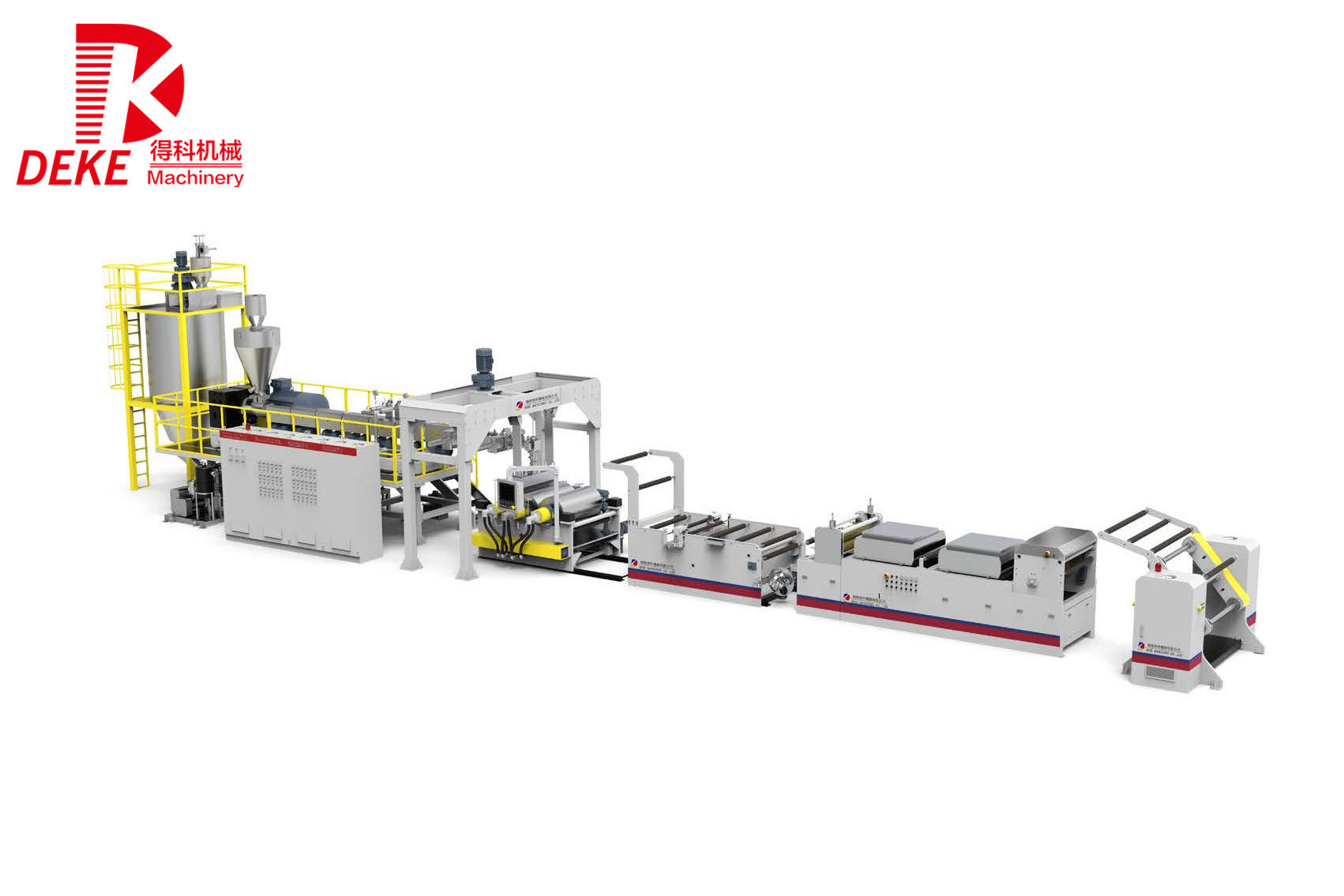
One of the primary benefits of using a PET sheet extruder machine is its ability to produce high-quality sheets with excellent clarity and strength. PET sheets are lightweight yet robust, making them ideal for applications such as food packaging, where transparency and durability are paramount. Additionally, PET is a recyclable material, aligning with the growing demand for sustainable manufacturing practices.
When selecting a PET sheet extruder machine, manufacturers should consider several factors to ensure optimal performance. Firstly, the machine's throughput, which refers to the volume of material it can process over time, is crucial. A higher throughput rate can significantly enhance production efficiency, allowing manufacturers to meet growing market demands. Additionally, the machine's design should facilitate easy maintenance and cleaning, which can reduce downtime and increase overall productivity.
Moreover, the adaptability of the extruder to process various PET formulations can be a key consideration. Some machines may be equipped with advanced features that allow for the blending of additives, enhancing the properties of the final product. This flexibility can be a significant advantage in a competitive market, enabling manufacturers to cater to diverse customer needs.
Temperature control is another critical aspect of PET sheet extrusion. The extruder must maintain precise temperature settings throughout the melting and forming processes to ensure consistent sheet quality. Any fluctuations can lead to defects in the final product, affecting both performance and aesthetics.
In terms of applications, PET sheets produced by extruder machines are widely used in packaging, signage, and construction. In packaging, they provide a barrier against moisture and oxygen, extending the shelf life of food products. In signage, their clarity and durability make them suitable for both indoor and outdoor use. In the construction sector, PET sheets can be employed in skylights and roofing materials, benefiting from their UV resistance and structural integrity.
In summary, investing in a PET sheet extruder machine can significantly enhance manufacturing capabilities within the plastic processing industry. By understanding the machine's functionality, advantages, and key selection criteria, manufacturers can make informed decisions that lead to improved efficiency and product quality. As sustainability continues to shape the industry, the versatility of PET sheets positions them as a valuable asset in a diverse range of applications.
RELATED INFORMATION

Why Choose Conical Twin Screw for Your Next Extrusion Project?
Why Choose Conical Twin Screw for Your Next Extrusion Project? Understanding Extrusion Technology In the realm of **plastic processing**, extrusion is an essential manufacturing technique that transforms raw plastic materials into usable products. The **extrusion process** involves forcing molten plastic through a die to create continuous shapes like sheets, films, and profiles. With advancements
Understanding the Advantages of Counter Rotating Twin Screw Extruders for Plastic Processing
Counter rotating twin screw extruders are pivotal in the plastic processing industry, recognized for their versatility and efficiency. Unlike single screw extruders, twin screw extruders feature two intermeshing screws that rotate in opposite directions. This design allows for enhanced material handling and processing capabilities, making them suitable for a wide array of applications. One of the

Website

Copyright©Jieyang Deke Machinery Co., Ltd.