
A Comprehensive Guide to PET Single Screw Extruder Technology: Unraveling the Future of Plastic Processing
2025-08
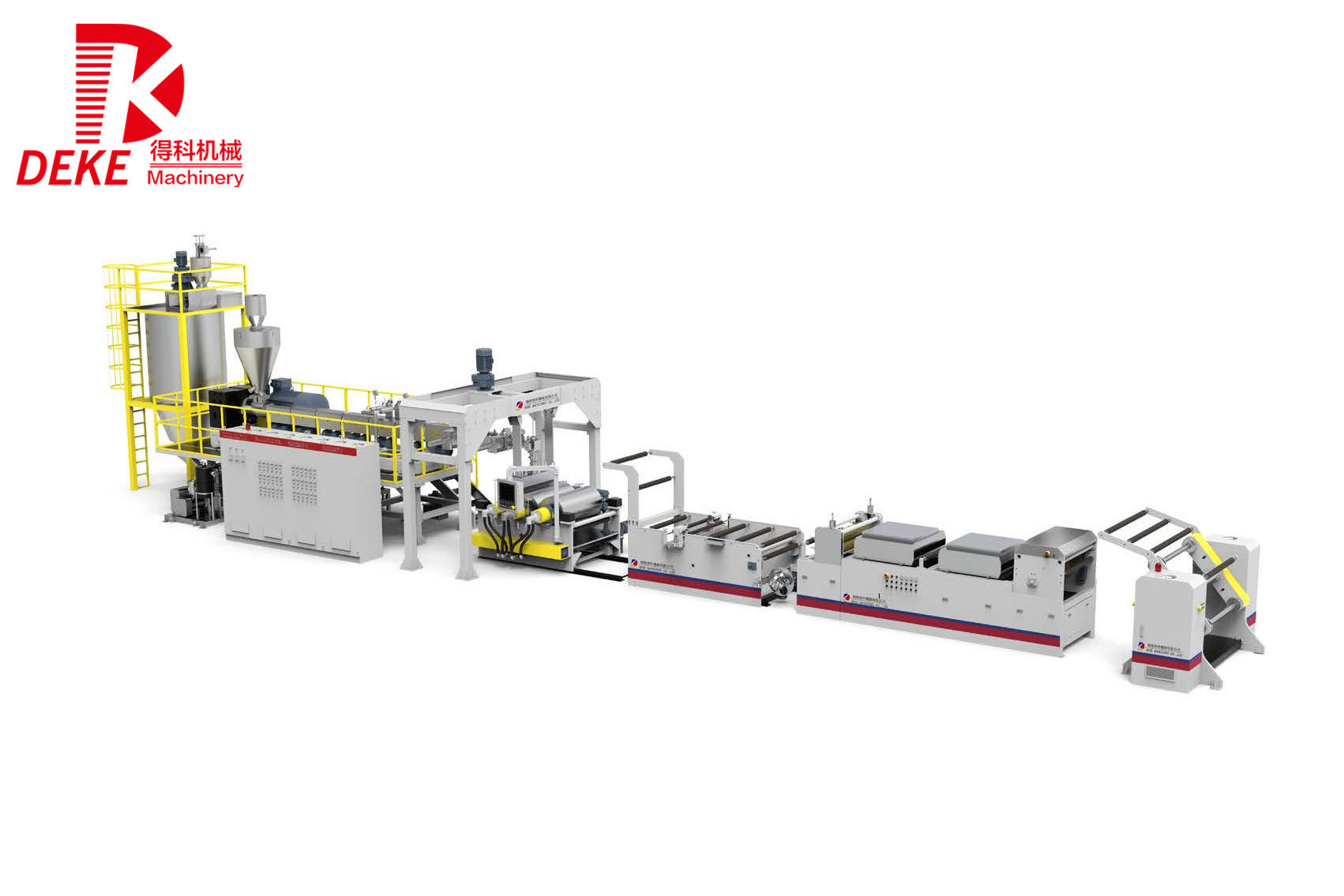
A Comprehensive Guide to PET Single Screw Extruder Technology
Table of Contents
- 1. Introduction to PET Single Screw Extruders
- 2. Understanding PET – Polyethylene Terephthalate
- 3. The Design of PET Single Screw Extruders
- 4. Working Principle of Single Screw Extruders
- 5. Applications of PET Single Screw Extruders
- 6. Advantages of Using PET Single Screw Extruders
- 7. Maintenance Tips for PET Single Screw Extruders
- 8. Common Troubleshooting Tips
- 9. Conclusion
- 10. Frequently Asked Questions
1. Introduction to PET Single Screw Extruders
The plastic manufacturing industry has evolved significantly over the years, with **PET single screw extruders** emerging as critical components in the production of various plastic products. These machines are designed to process polyethylene terephthalate (PET), a durable and versatile thermoplastic polymer known for its strength and recyclability. In this comprehensive guide, we will delve into the technology behind PET single screw extruders, exploring their design, functionality, applications, and maintenance practices.
2. Understanding PET – Polyethylene Terephthalate
PET, or polyethylene terephthalate, is a type of polyester that is widely used in the production of plastic bottles, containers, and fibers. Its **high strength-to-weight ratio**, resistance to moisture and chemicals, and ability to be recycled make it an ideal choice for various applications. When processed through a single screw extruder, PET can be transformed into different forms, including sheets, films, and molded products.
3. The Design of PET Single Screw Extruders
The design of a PET single screw extruder is fundamental to its efficiency and performance. Key components include:
3.1 Screw Design
The screw, which is the heart of the extruder, is typically designed with a specific geometry to facilitate the mixing and melting of the PET material. The screw consists of:
- **Feed section**: Where the raw material is introduced.
- **Compression section**: Where the material is heated and melted.
- **Metering section**: Where the melted polymer is homogenized before being extruded.
3.2 Barrel Design
The barrel houses the screw and is equipped with heating zones to ensure uniform melting of the polymer. The temperature control is critical for maintaining the optimal processing conditions for PET.
3.3 Die Design
The die is the final component of the extruder, shaping the melted PET into the desired profile. Different die designs enable the production of various shapes, such as film, sheet, or molded products.
4. Working Principle of Single Screw Extruders
The operation of a PET single screw extruder involves several key stages:
4.1 Feeding
Raw PET pellets are fed into the feed throat of the extruder through a hopper. The gravity feed ensures a steady supply of material.
4.2 Melting and Mixing
As the screw rotates, it conveys the PET pellets through the barrel, where they are subjected to heat from the heating zones. The friction between the screw and barrel also generates heat, melting the pellets into a viscous polymer melt.
4.3 Homogenization
The metering section of the screw ensures that the melted PET is uniformly mixed and ready for extrusion. This step is crucial to avoid defects in the final product.
4.4 Extrusion
Once the PET is properly melted and homogenized, it is forced through the die, where it takes on the desired shape. The extruded material is then cooled and cut into the required lengths or processed further.
5. Applications of PET Single Screw Extruders
PET single screw extruders are used in various applications, including:
5.1 Packaging
PET is extensively used in the packaging industry for bottles, containers, and films. The versatility of PET makes it ideal for food and beverage packaging, ensuring product safety and shelf life.
5.2 Textiles
In the textile industry, PET fibers are produced through extrusion, which are then woven into fabrics. These fibers are known for their strength and resistance to wrinkling.
5.3 Automotive Parts
PET is used in the automotive industry for parts like interior panels and insulation materials, where durability and lightweight characteristics are essential.
6. Advantages of Using PET Single Screw Extruders
Using PET single screw extruders offers several advantages, including:
6.1 High Efficiency
The continuous operation of single screw extruders allows for high throughput, making them efficient for large-scale production.
6.2 Versatility
These extruders can process a variety of polymer grades, enabling manufacturers to adapt their production lines for different products.
6.3 Cost-Effectiveness
With lower energy consumption and the ability to use recycled PET, single screw extruders present a cost-effective solution for manufacturers.
7. Maintenance Tips for PET Single Screw Extruders
Proper maintenance is crucial for the longevity and performance of PET single screw extruders. Key maintenance tips include:
7.1 Regular Cleaning
Regularly clean the extruder to remove any residual materials and prevent contamination that could affect the quality of the extruded products.
7.2 Monitor Temperature and Pressure
Continuously monitor the temperature and pressure settings to ensure they remain within the optimal range for PET processing. Deviations can lead to processing issues.
7.3 Inspect Wearing Parts
Check the screw and barrel for signs of wear and tear. Replacing worn parts promptly can prevent significant downtime and costly repairs.
8. Common Troubleshooting Tips
Understanding common issues that may arise during the operation of PET single screw extruders can help manufacturers maintain efficiency:
8.1 Melt Flow Issues
Inconsistent melt flow can occur due to improper temperature settings or material blockage in the screw. Adjusting the heating zones and clearing blockages can resolve this issue.
8.2 Surface Defects
Surface defects in the extruded product may result from poor mixing or contamination. Ensuring proper material handling and thorough cleaning of the extruder can mitigate these defects.
8.3 Screw Slip
If the screw is slipping, it may indicate insufficient material feed or excessive wear. Inspecting the feed system and the screw’s condition can help address the problem.
9. Conclusion
In conclusion, **PET single screw extruders** play a vital role in the plastic processing industry, particularly in the production of versatile and recyclable PET products. Understanding the technology behind these machines, their applications, and the maintenance practices can empower manufacturers to optimize their production processes and enhance product quality. By harnessing the benefits of PET single screw extruders, businesses can innovate and thrive in a competitive market, contributing to a more sustainable future for plastic manufacturing.
10. Frequently Asked Questions
10.1 What is the difference between single screw and twin screw extruders?
Single screw extruders use one screw for processing, while twin screw extruders utilize two intermeshing screws. Twin screw extruders offer better mixing and are more suitable for high-viscosity materials.
10.2 Can PET be recycled?
Yes, PET is highly recyclable, and using single screw extruders allows manufacturers to incorporate recycled PET into their production processes effectively.
10.3 What are the common materials processed with PET single screw extruders?
In addition to pure PET, these extruders can process blends, composites, and recycled PET from various sources, enhancing their versatility.
10.4 How can I improve the efficiency of my PET single screw extruder?
Improving efficiency can be achieved through regular maintenance, optimizing temperature settings, and ensuring consistent material feed rates.
10.5 What factors affect the quality of the extruded PET products?
Factors such as temperature control, material purity, screw design, and die configuration play significant roles in determining the quality of extruded PET products.
RELATED INFORMATION

Why Choose Conical Twin Screw for Your Next Extrusion Project?
Why Choose Conical Twin Screw for Your Next Extrusion Project? Understanding Extrusion Technology In the realm of **plastic processing**, extrusion is an essential manufacturing technique that transforms raw plastic materials into usable products. The **extrusion process** involves forcing molten plastic through a die to create continuous shapes like sheets, films, and profiles. With advancements
Understanding the Advantages of Counter Rotating Twin Screw Extruders for Plastic Processing
Counter rotating twin screw extruders are pivotal in the plastic processing industry, recognized for their versatility and efficiency. Unlike single screw extruders, twin screw extruders feature two intermeshing screws that rotate in opposite directions. This design allows for enhanced material handling and processing capabilities, making them suitable for a wide array of applications. One of the

Website

Copyright©Jieyang Deke Machinery Co., Ltd.