
Understanding the PET Sheet Extruder Machine: A Comprehensive Guide
2025-08
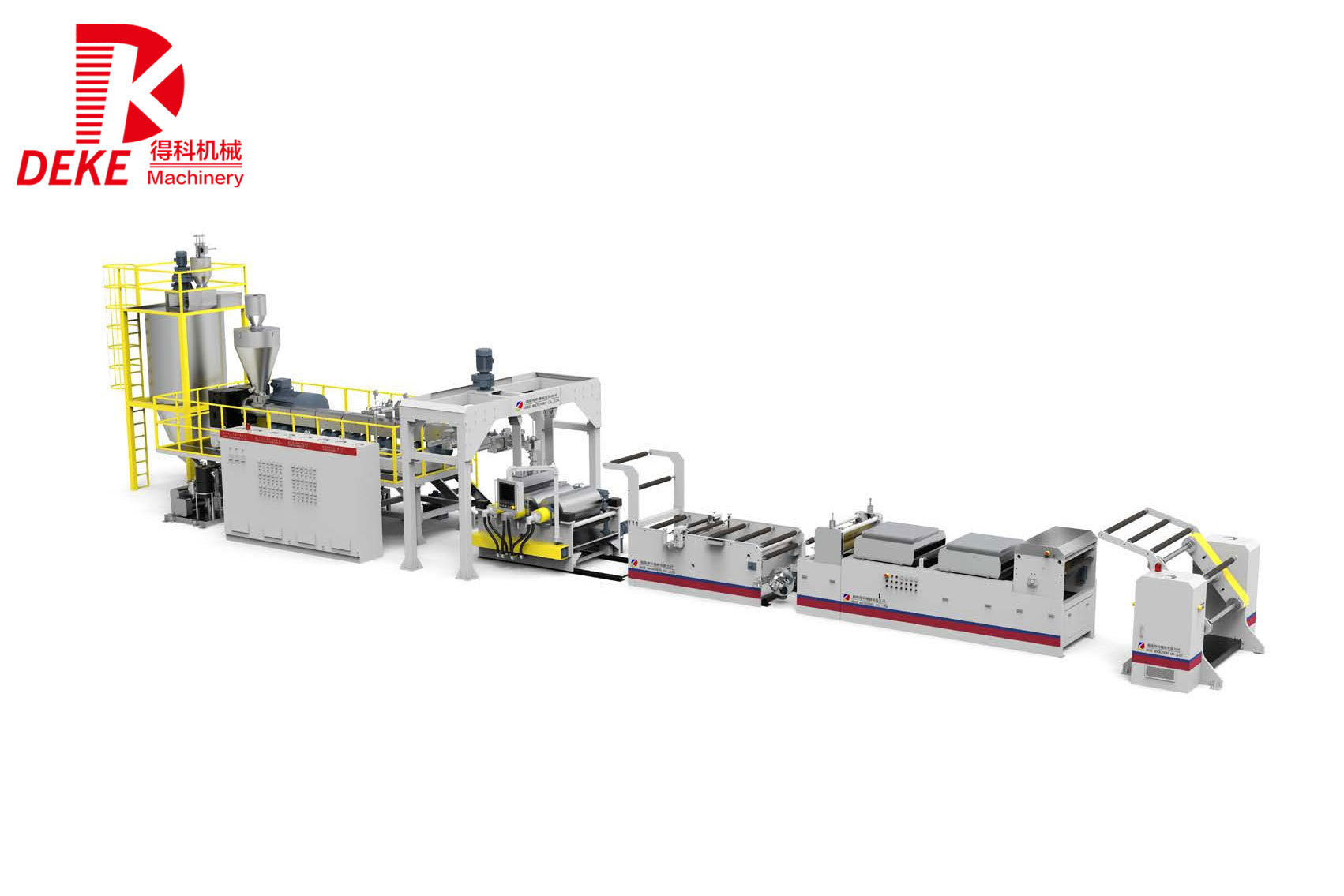
To understand the operation of a PET sheet extruder machine, one must first grasp the basic components involved. The primary components include the hopper, extruder barrel, screws, die, cooling system, and winding unit. The process begins at the hopper, where PET pellets are fed into the extruder. The pellets are then transported through the barrel by the rotating screws, where they are heated to a specific temperature that allows them to melt.
Once in a molten state, the PET material is forced through a specially designed die, which shapes it into a flat sheet. The cooling system plays a crucial role in solidifying the sheet, ensuring it retains its desired thickness and properties. Finally, the sheet is wound onto rolls or cut to specific dimensions, ready for further processing or applications.
One of the standout features of PET sheet extruder machines is their ability to produce high-quality sheets with excellent clarity, strength, and chemical resistance. These characteristics make PET sheets suitable for a range of applications, including food packaging, medical devices, and automotive parts. Additionally, PET is a recyclable material, aligning with the growing demand for sustainable manufacturing practices.
When selecting a PET sheet extruder machine, several factors should be considered to ensure optimal performance. These include the machine’s output capacity, energy efficiency, and the specific features tailored to the desired sheet thickness and width. Advanced models may also offer automation features, improving operational efficiency and reducing labor costs.
Furthermore, regular maintenance of the PET sheet extruder is crucial to ensure longevity and consistent output quality. Operators should establish a routine maintenance schedule that includes cleaning the extruder components, checking the heating elements, and ensuring that the cooling system functions effectively.
In conclusion, the PET sheet extruder machine is a pivotal technology in the plastic processing industry. Understanding its operation and benefits can greatly enhance production capabilities and product quality. As industries continue to seek innovative solutions, investing in a high-quality PET sheet extruder machine can provide a competitive edge in the ever-evolving market landscape.
RELATED INFORMATION

Why Choose Conical Twin Screw for Your Next Extrusion Project?
Why Choose Conical Twin Screw for Your Next Extrusion Project? Understanding Extrusion Technology In the realm of **plastic processing**, extrusion is an essential manufacturing technique that transforms raw plastic materials into usable products. The **extrusion process** involves forcing molten plastic through a die to create continuous shapes like sheets, films, and profiles. With advancements
Understanding the Advantages of Counter Rotating Twin Screw Extruders for Plastic Processing
Counter rotating twin screw extruders are pivotal in the plastic processing industry, recognized for their versatility and efficiency. Unlike single screw extruders, twin screw extruders feature two intermeshing screws that rotate in opposite directions. This design allows for enhanced material handling and processing capabilities, making them suitable for a wide array of applications. One of the

Website

Copyright©Jieyang Deke Machinery Co., Ltd.